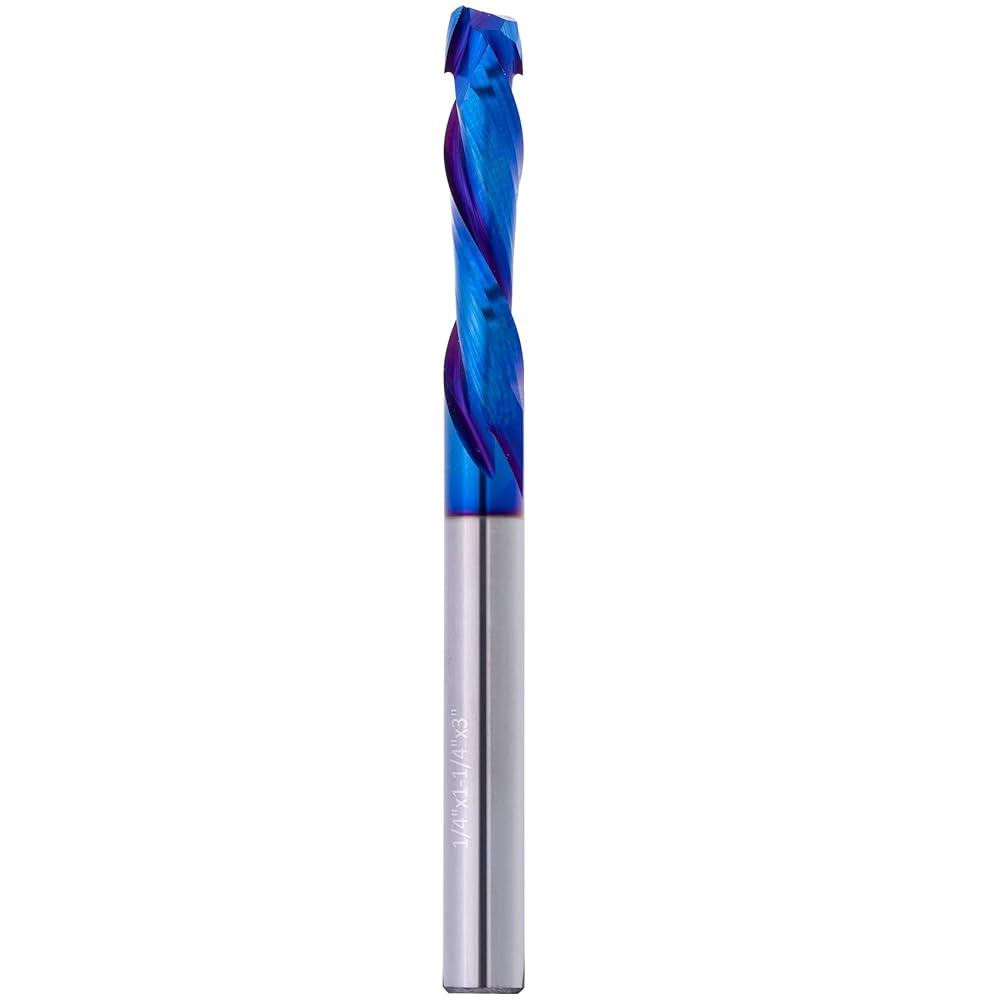
لقمة توجيه حلزونية، قطر القطع 1/32 بوصة لقم توجيه CNC 1/4 بوصة مع طلاء NACO طويل العمر، قطع مطحنة نهاية كربيد صلب لنحت الخشب 1/4 بوصة قطر -1-1/4 بوصة CL - 1/4 بوصة قطع ضغط الساق
الاجهزه الالكترونيات الامريكية قد تحتاج الى محمول فولت من ١١٠ الى ٢٢٠.قد تحتاج إلى محول كهرباء
مميزات خاصة
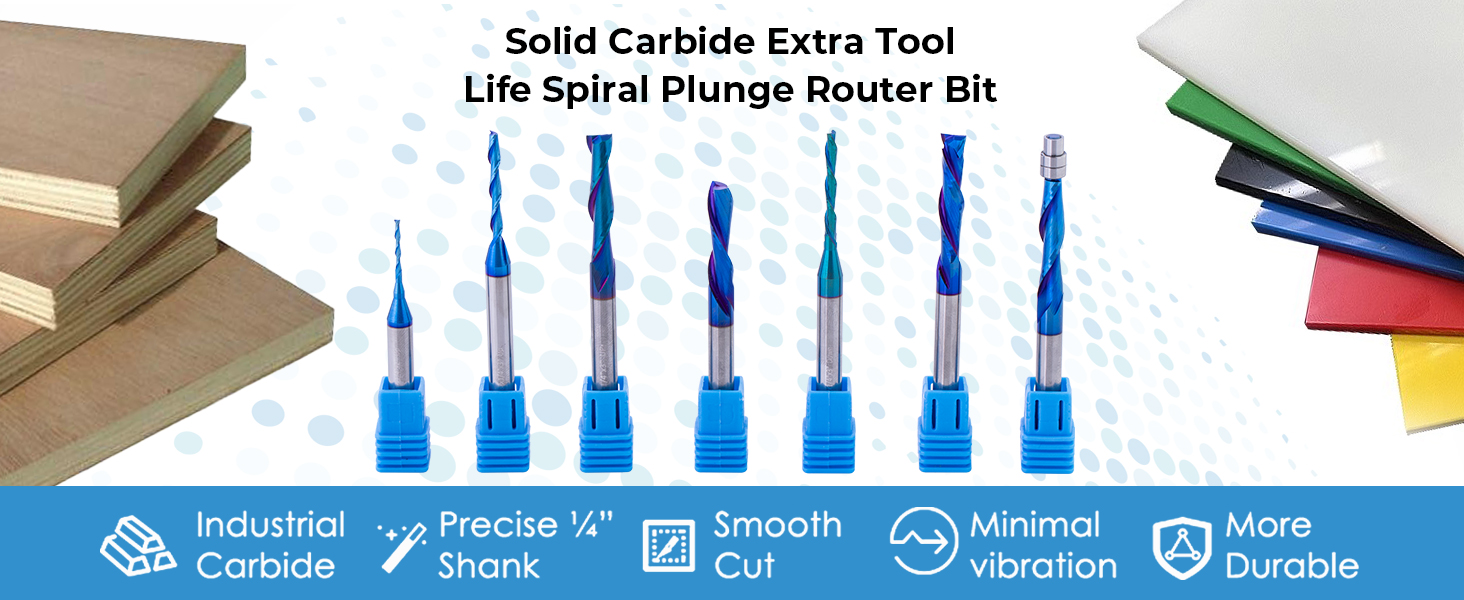
يمكن استخدام ضغط الموجه الحلزوني المقطوع (لأعلى ولأسفل) مع 1/4 "شانك 1" طول القطع ، وقطر القطع 1/4 "؛ 2-1/2" الطول الكلي على CNC ، وآلة النقش ، وموجه يدوي وجدول جهاز التوجيه.
حياة الأداة الطويلة للغاية : تعزيز الطلاء الأزرق النانو من قِبل 2x عمر أطول مقابل أجزاء غير مصنفة. يقاوم التآكل والحرارة والتآكل - تكاليف التنقيح على البدائل
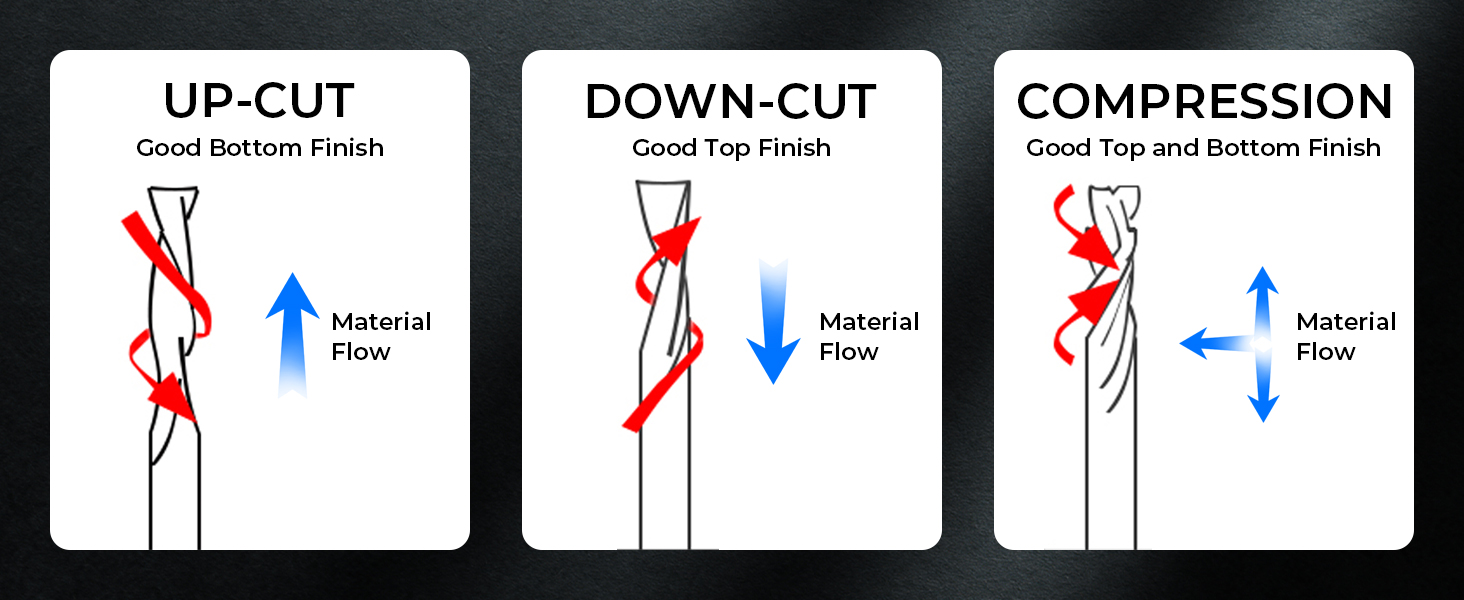
تخفيضات أكثر سلاسة ، صفر للدموع : التصميم الحلزوني الانضغاط يوفر تشطيبات خالية من الرقائق على كلا الجانبين-مثالية للخشب الرقائقي ، MDF ، واللامنة. لا يلزم الصنفرة
تنوعا وتوفير الوقت : يعمل على الأخشاب الصلبة ، الألومنيوم ، والمركبات. متوافق مع آلات CNC/Handheld - مثالية للنحت ثنائي الأبعاد/ثلاثي الأبعاد ، DADOS ، وتقليص الحافة
الهندسة الدقيقة : ± 0.02 مم التسامح يضمن دقة من الدرجة المهنية. يقلل طلاء نانو من الاحتكاك لنتائج حادة خالية من الاهتزاز في كل مرة
 قضيب فرويد بريميير قابل للتعديل وقطعة ستايل - خرزة مستديرة مع كربيد تيكو عالي الكثافة للحصول على أقصى أداء - قطر 1-11/16 بوصة، طول 3-3/4 بوصة، نصف قطر 9/32 بوصة، ساق 1/2 بوصة - 99-763
SAR 654
قضيب فرويد بريميير قابل للتعديل وقطعة ستايل - خرزة مستديرة مع كربيد تيكو عالي الكثافة للحصول على أقصى أداء - قطر 1-11/16 بوصة، طول 3-3/4 بوصة، نصف قطر 9/32 بوصة، ساق 1/2 بوصة - 99-763
SAR 654
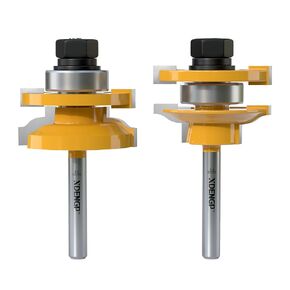 لقم توجيه لوحة مرتفعة مشطوفة 1/2 ساق لباب الخزانة، قطر 2-1/2 بوصة، شاكر باب خزانة مرتفع صنع إطار لوحة تصميم لقم توجيه تستخدم مع السكك الحديدية وقطعة توجيه صب ستايل
SAR 167
لقم توجيه لوحة مرتفعة مشطوفة 1/2 ساق لباب الخزانة، قطر 2-1/2 بوصة، شاكر باب خزانة مرتفع صنع إطار لوحة تصميم لقم توجيه تستخدم مع السكك الحديدية وقطعة توجيه صب ستايل
SAR 167
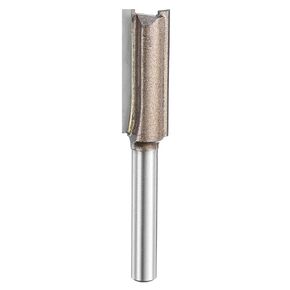 HARFINGTON قطعتان من لقمة التوجيه المستقيمة 1/4 بوصة عرقوب 19/32 بوصة قطر القطع، 2 مزمار 1.18 بوصة طول القطع YG6 قاطع كربيد مع طلاء مقاوم للحرارة PTFE، لقمة تشذيب النجارة
SAR 53
HARFINGTON قطعتان من لقمة التوجيه المستقيمة 1/4 بوصة عرقوب 19/32 بوصة قطر القطع، 2 مزمار 1.18 بوصة طول القطع YG6 قاطع كربيد مع طلاء مقاوم للحرارة PTFE، لقمة تشذيب النجارة
SAR 53
 مربع تخزين WIFI WIFI ROUTER WOOWEN WIFI ، مربع تخزين MODEM RACK ، إدارة الكابلات ، منظم ، منظم المكتب والمنزل (ألواح اللون)
SAR 136
مربع تخزين WIFI WIFI ROUTER WOOWEN WIFI ، مربع تخزين MODEM RACK ، إدارة الكابلات ، منظم ، منظم المكتب والمنزل (ألواح اللون)
SAR 136

 العربية السعودية