- Shopping, made easy.
- /
- Get the app!
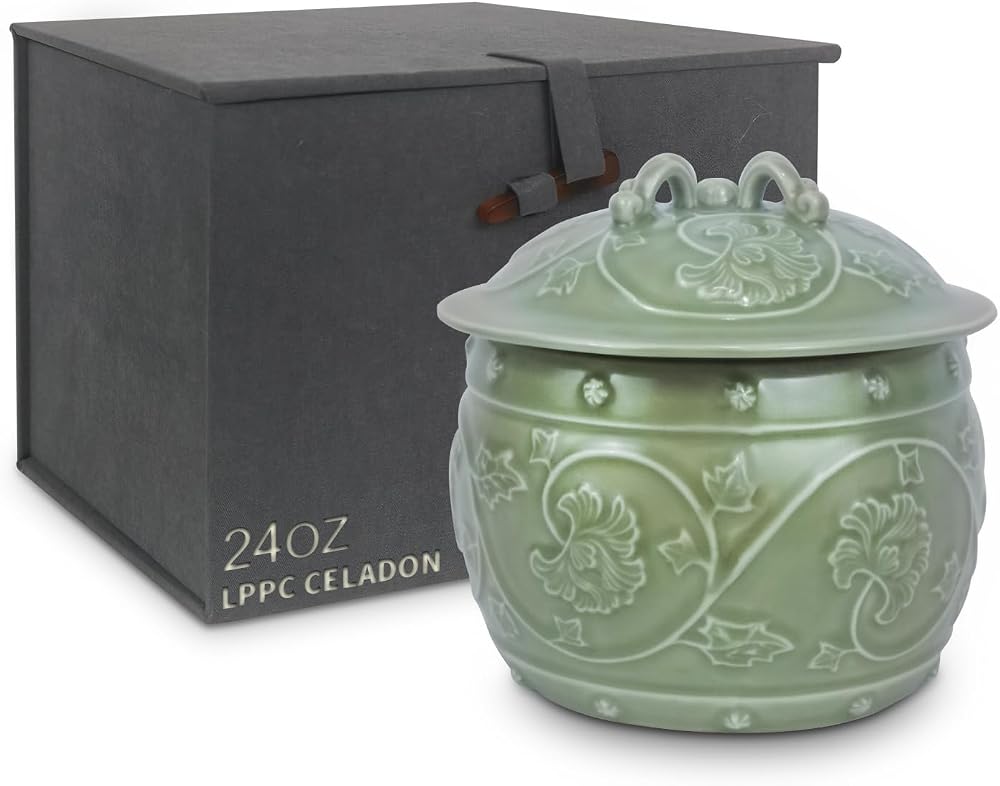
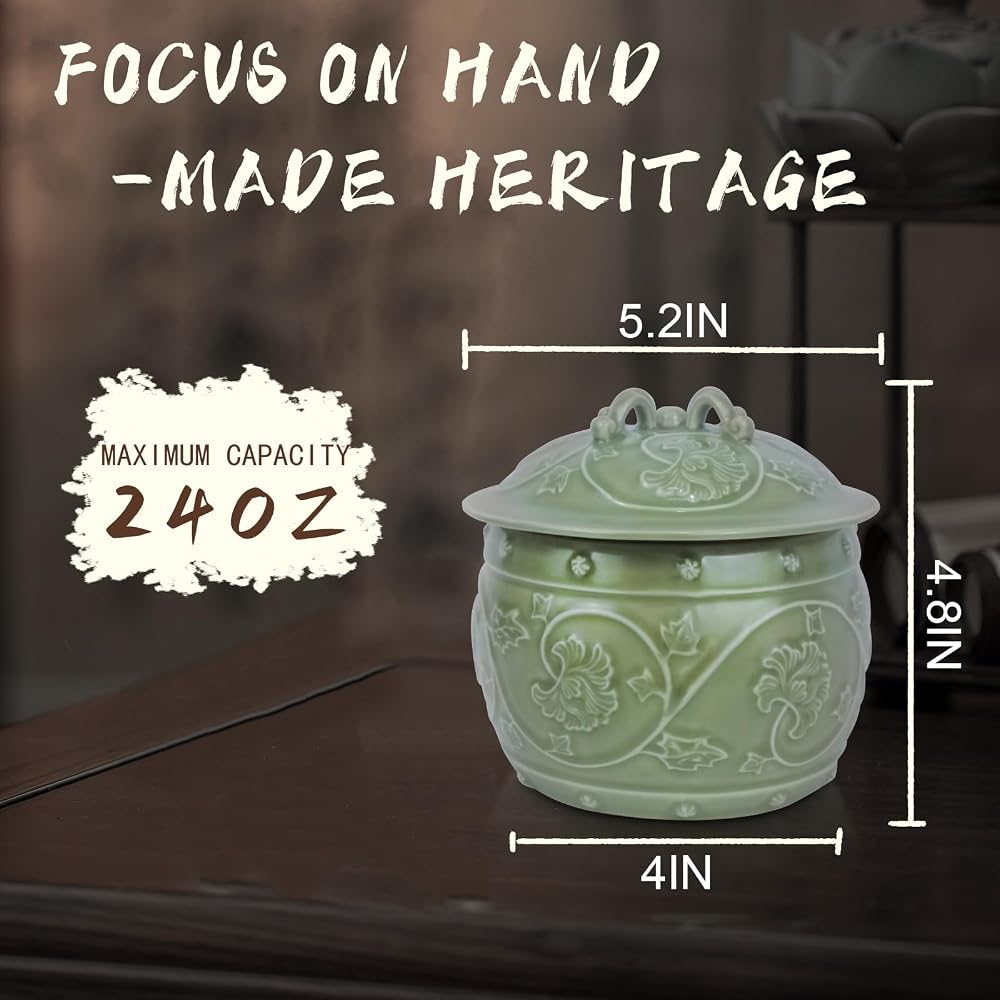
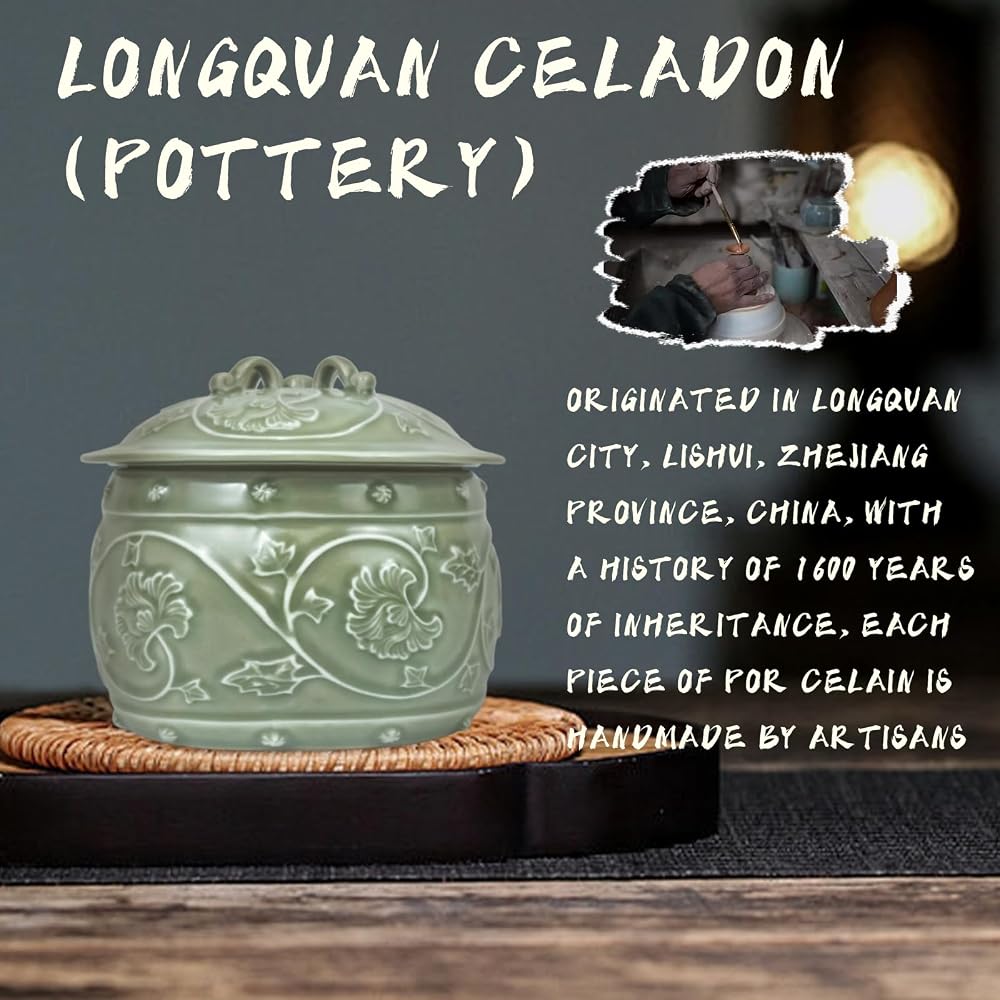
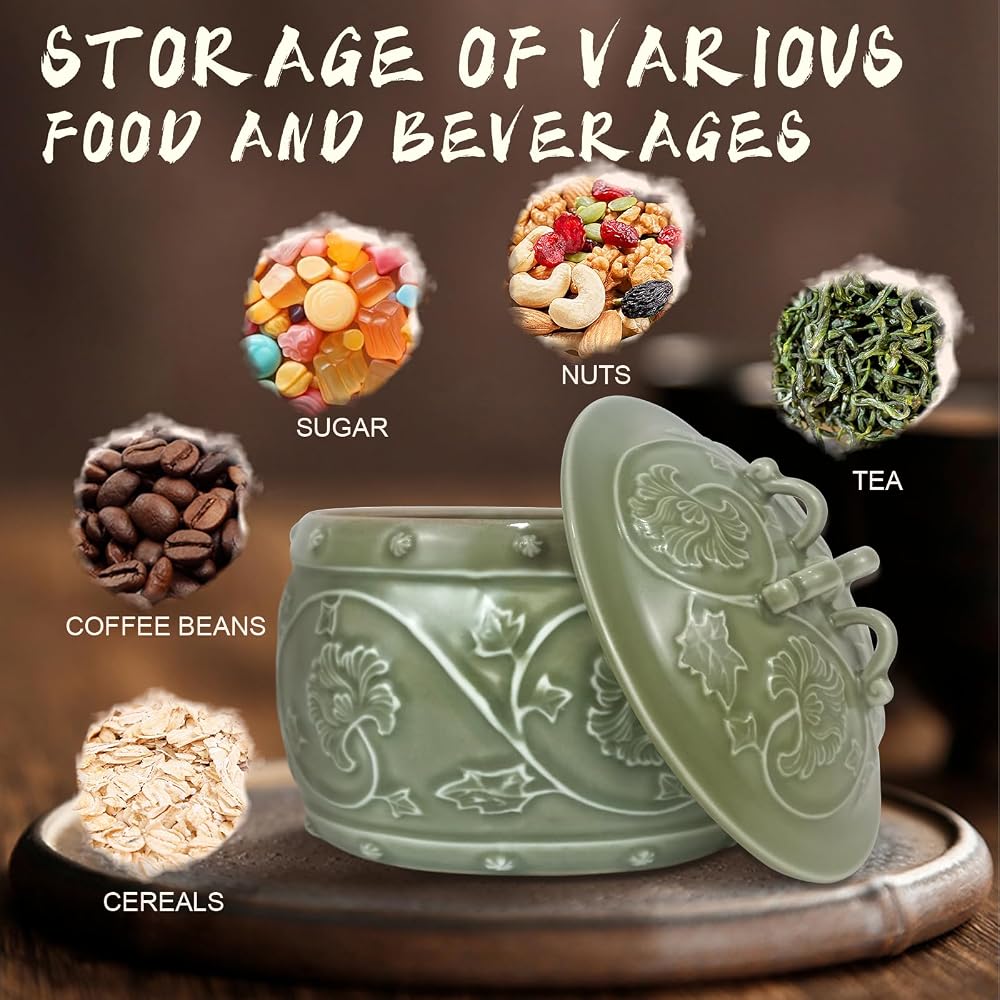
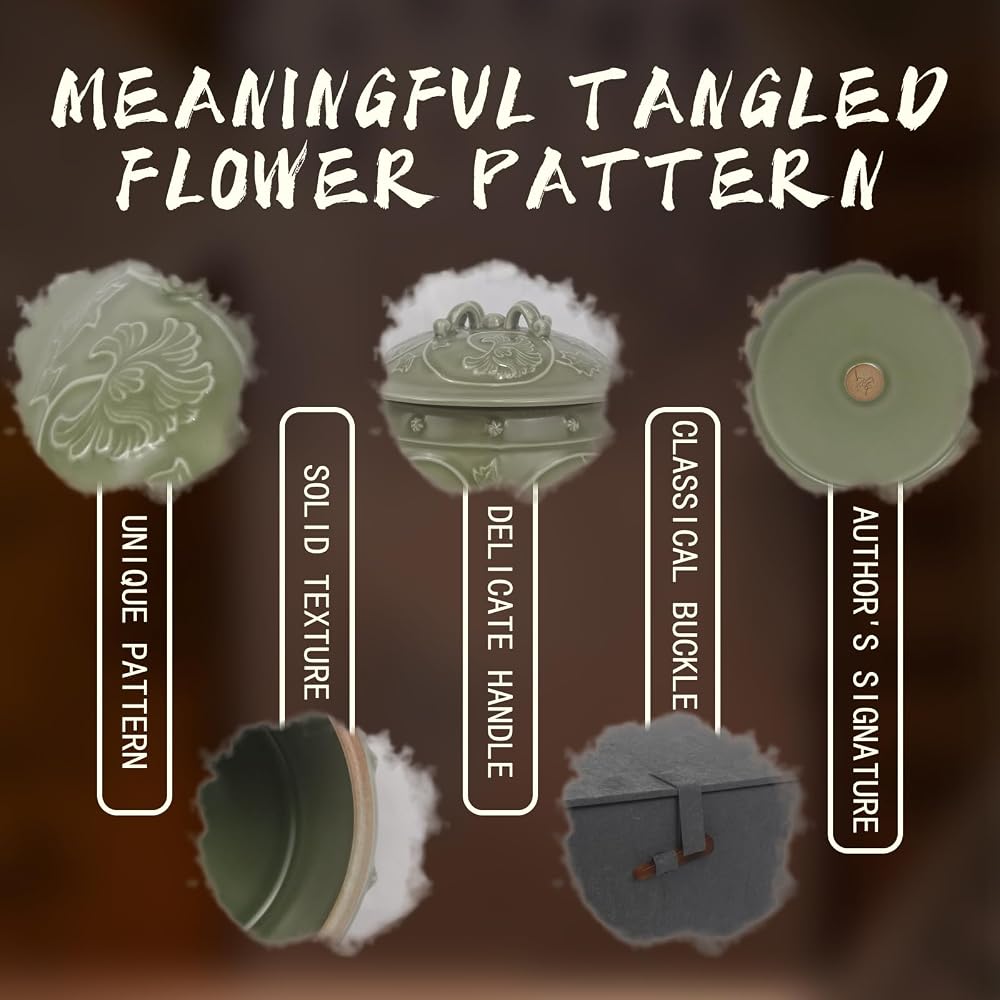
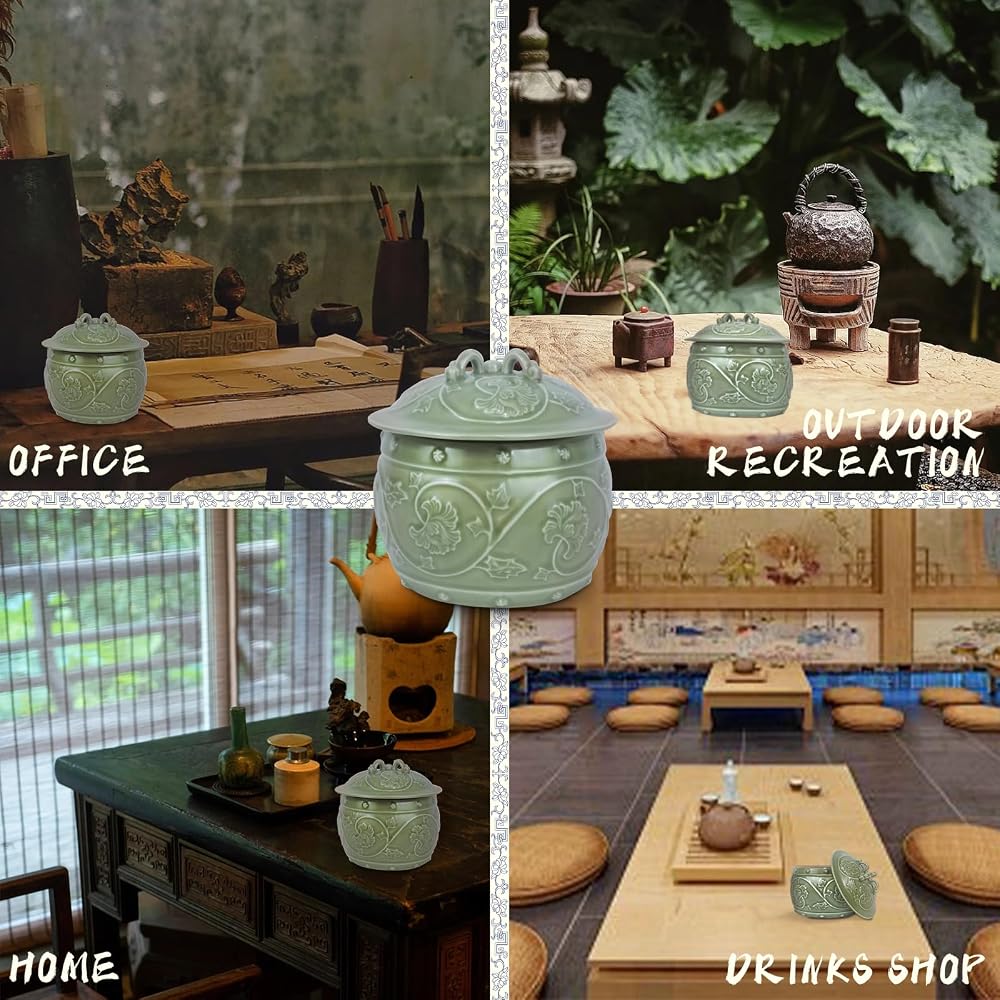
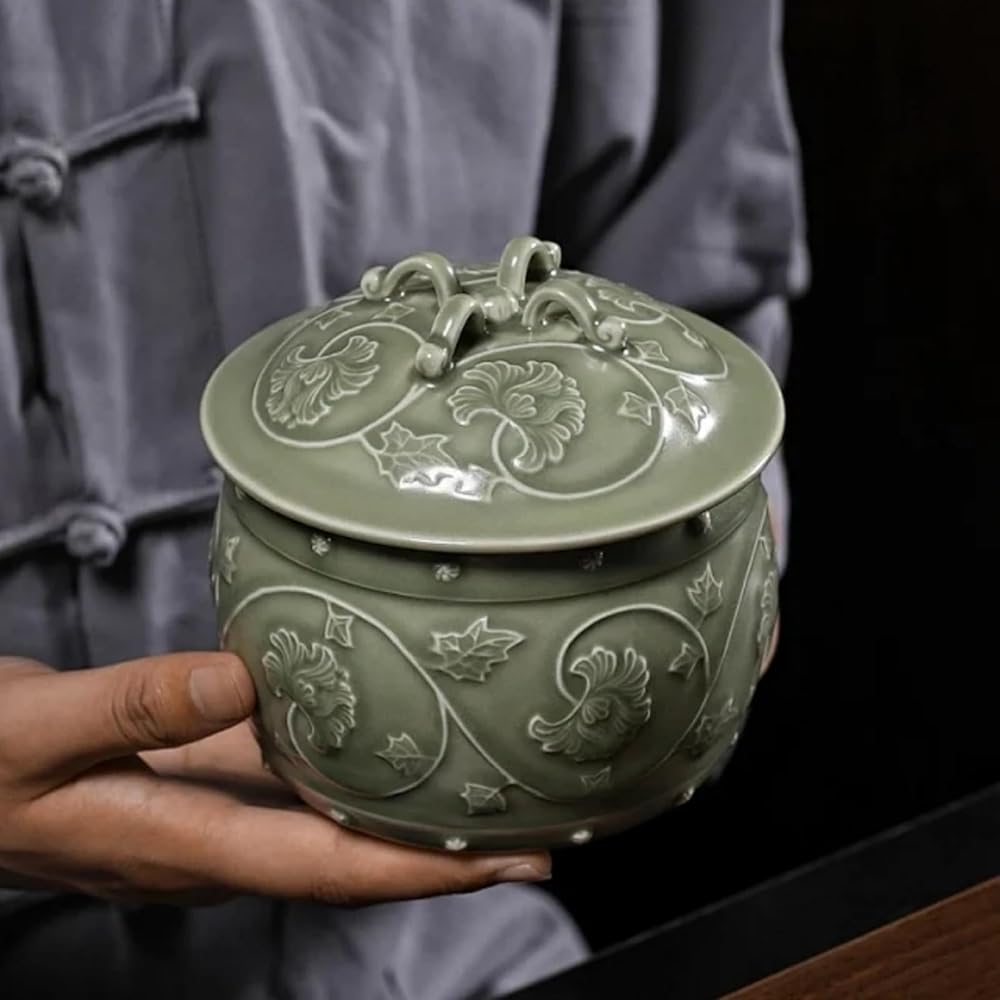
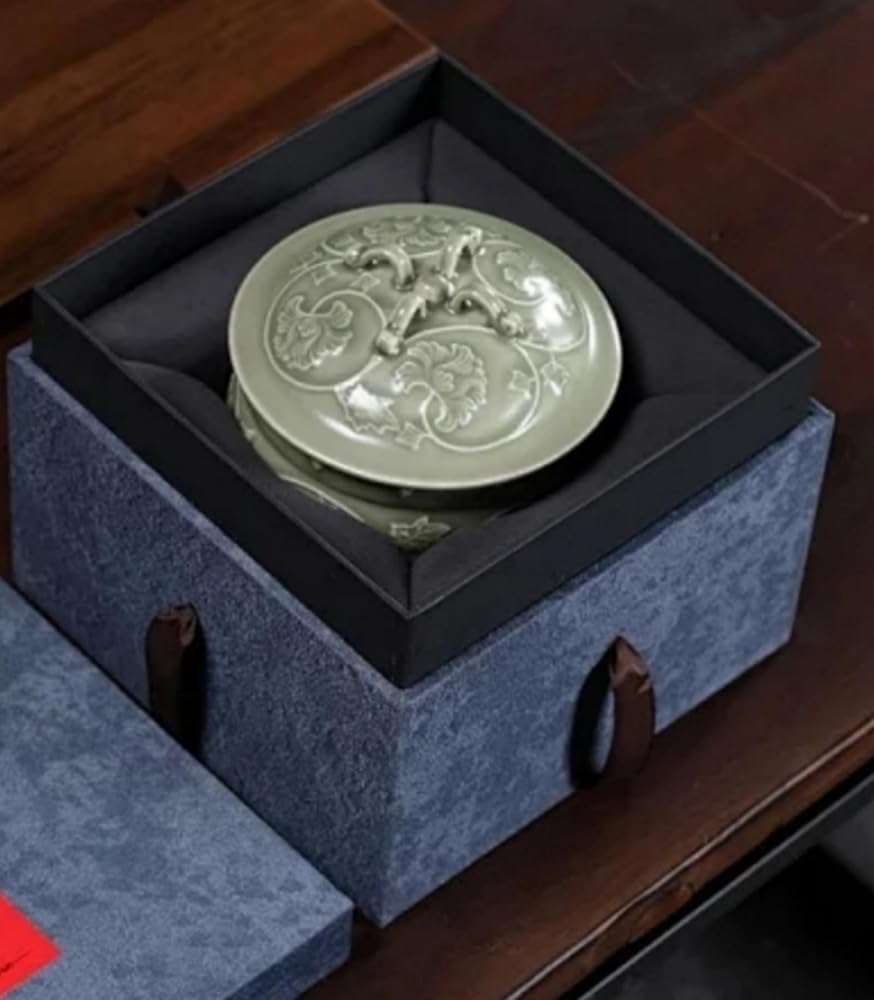
The firing of Longquan celadon began more than 1,700 years ago and reached its peak in the Song Dynasty. It is one of the famous celadon kilns with the longest firing period, the widest distribution of kiln sites, the highest product quality requirements, and the largest production scale and export range in the history of ceramics in China and even the world. The biggest quality characteristics: green as jade, bright as a mirror, sound as Qing. In continental Europe, the Longquan kiln is also popular for its verdant splendor. As early as the 14th century, a large number of Longquan celadon had been introduced into the European territory. Two fragments of Longquan celadon were found in the garden of the Papal Palace in Avignon, a small town in southern France, which is the archaeological evidence of the introduction of Longquan celadon into France in the second half of the 14th century. On September 30, 2009, the fourth meeting of the Intergovernmental Committee for the Safeguarding of Intangible Cultural Heritage of UNESCO reviewed and approved 76 items from 111 applications for inclusion in the Representative List of the Intangible Cultural Heritage of Humanity, and Longquan celadon traditional firing techniques were listed on the list, which is the first and only ceramic project selected in the world. Today, "Xuelatong" not only refers to Longquan celadon, in the Western world, it is almost a common name for all blue porcelain. China Longquan has become a model of celadon in the world.
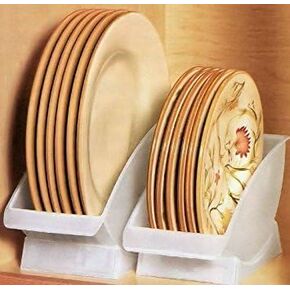 Jumbl 10-Inch Veritcal Dinner Holder, Cabinet Space Saver and Organizer, Plastic Plate Cradle pefect for small cabinet storage, RV's, apartments. Comes with 1 Cradle (Dinner Plate)
SAR 120
Jumbl 10-Inch Veritcal Dinner Holder, Cabinet Space Saver and Organizer, Plastic Plate Cradle pefect for small cabinet storage, RV's, apartments. Comes with 1 Cradle (Dinner Plate)
SAR 120
 Signoraware Butter Dish with Lid -Butter Keeper Container with Clear Lid for Countertop, Frige- Durable Plastic, Unbreakable Standard Butter Dish Holder For Home, Camping, Multipurpose Bpa Free- Black
SAR 32
Signoraware Butter Dish with Lid -Butter Keeper Container with Clear Lid for Countertop, Frige- Durable Plastic, Unbreakable Standard Butter Dish Holder For Home, Camping, Multipurpose Bpa Free- Black
SAR 32
 -21%
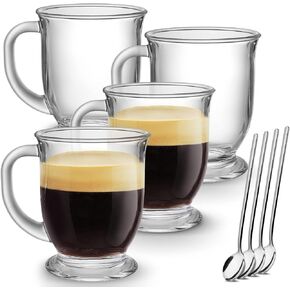
Mfacoy Glass Coffee Mugs Set of 4, Clear Large Coffee Mug 15 Oz With Handles for Hot Beverages, Clear Mugs for Tea, Cappuccino, Latte, Espresso Coffee, Juice, Glass Coffee Cups
SAR 120
-21%
Mfacoy Glass Coffee Mugs Set of 4, Clear Large Coffee Mug 15 Oz With Handles for Hot Beverages, Clear Mugs for Tea, Cappuccino, Latte, Espresso Coffee, Juice, Glass Coffee Cups
SAR 120
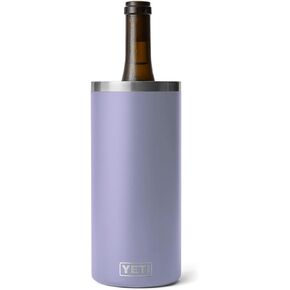 YETI Rambler Wine Chiller, Fits Most Wine Bottles, Big Wave Blue
SAR 365
YETI Rambler Wine Chiller, Fits Most Wine Bottles, Big Wave Blue
SAR 365