- التسوق ، اصبح سهلا.
- /
- احصل على التطبيق!
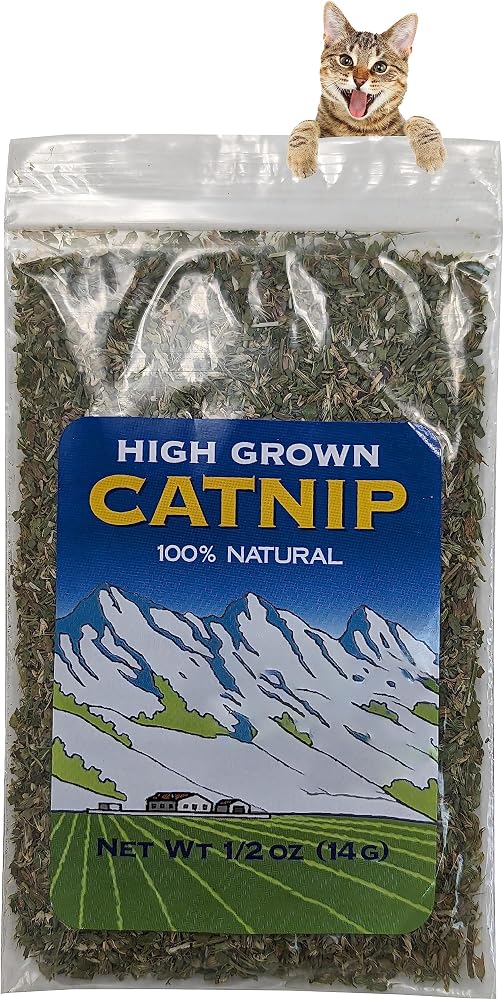
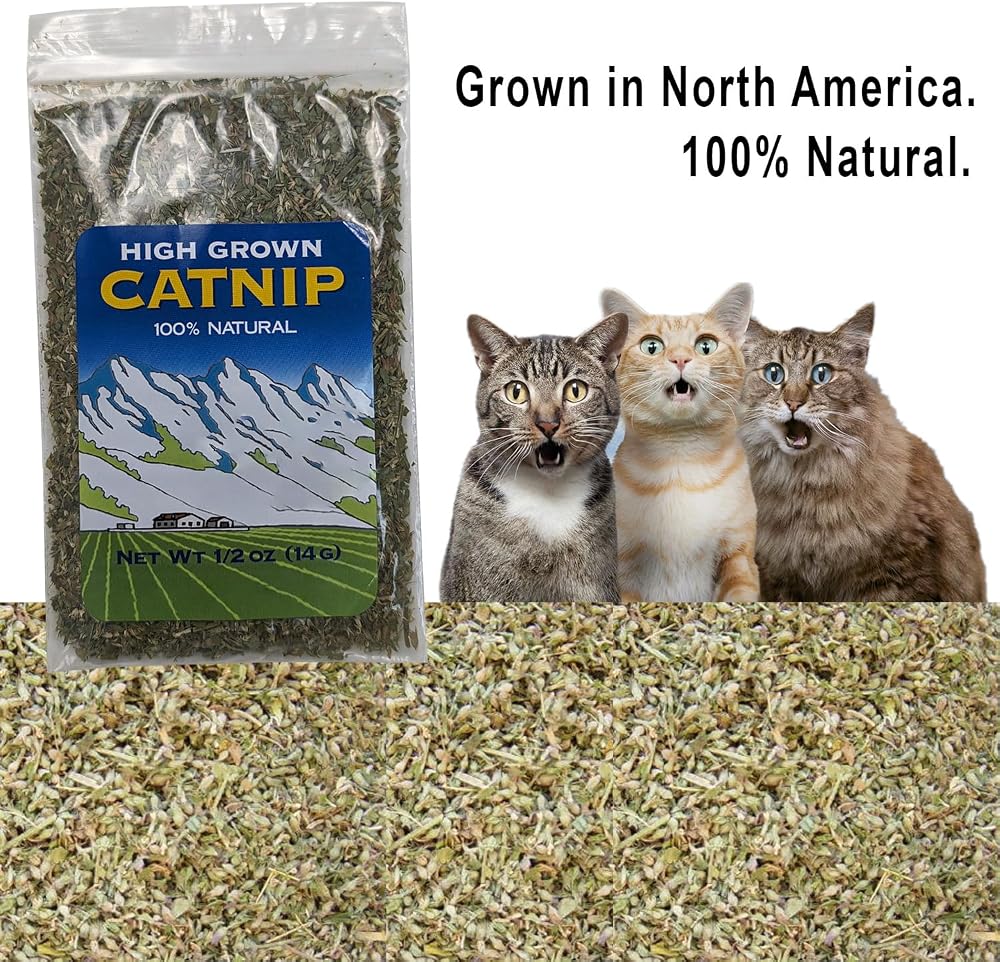
If you have a cat, there's a good chance you've witnessed firsthand one of the great feline mysteries known as the “catnip response.” When presented with the leaves of Nepatia cataria, most domestic cats will engage in a variety of behaviors, including chin rubbing, rhythmic kicking with their back feet, sniffing, licking and chewing the plant, and rolling onto their sides. The reaction can last from about 5 to 15 minutes, after which point the cat will lose interest and walk away. For the next couple of hours, she'll be immune to the herb's effects - but don't be surprised when she returns to repeat the cycle. If your kitty goes kooky for catnip, you're in luck, there's a wide variety of catnip products out there. Catnip mice and other catnip-stuffed toys are classic feline favorites, and can be a fun and effective part of a program to keep more sedentary pets active and exercised. Do take care to avoid toys with bells or other small parts that Fluffy could accidentally swallow or choke on. You can also simply drop a few tablespoons into a dish, or stuff some loose catnip into a small sock, tie it tightly and offer it to your kitty during playtime. Note that stepping on the sock will help release the herb's active ingredients. Loose catnip can be rubbed on scratching posts to attract an animal's interest, and is particularly effective if your kitty tends to scratch in inappropriate places. Keep in mind that the herb does go stale after a few months, so you'll want to replace any toys or loose herbs that have lost their zip. Catnip is grown in various climates and altitudes. However, high elevations produce the most potent catnip. Something to keep in mind when you buy this feline treat.
 تمبتيشنز حلوى القطط الكلاسيكية، بنكهة النعناع البري بليسفل، 16 اونصة
SAR 45
تمبتيشنز حلوى القطط الكلاسيكية، بنكهة النعناع البري بليسفل، 16 اونصة
SAR 45
 حلوى القطط بالدجاج المجفف بالتجميد من Whole Life - درجة بشرية - مكون واحد - مصدر ومصنوع في الولايات المتحدة الأمريكية
SAR 37
حلوى القطط بالدجاج المجفف بالتجميد من Whole Life - درجة بشرية - مكون واحد - مصدر ومصنوع في الولايات المتحدة الأمريكية
SAR 37
 -17%
فيتاكرافت - 18 عبوة من أعواد الدجاج للقطط
SAR 48
-17%
فيتاكرافت - 18 عبوة من أعواد الدجاج للقطط
SAR 48
 Happy Hips & Joint، شرائح مشوية، علاجات الكلاب الخالية من الحبوب، الجلوكوزامين والكوندرويتين، البط 10 أونصة
SAR 66
Happy Hips & Joint، شرائح مشوية، علاجات الكلاب الخالية من الحبوب، الجلوكوزامين والكوندرويتين، البط 10 أونصة
SAR 66