- التسوق ، اصبح سهلا.
- /
- احصل على التطبيق!
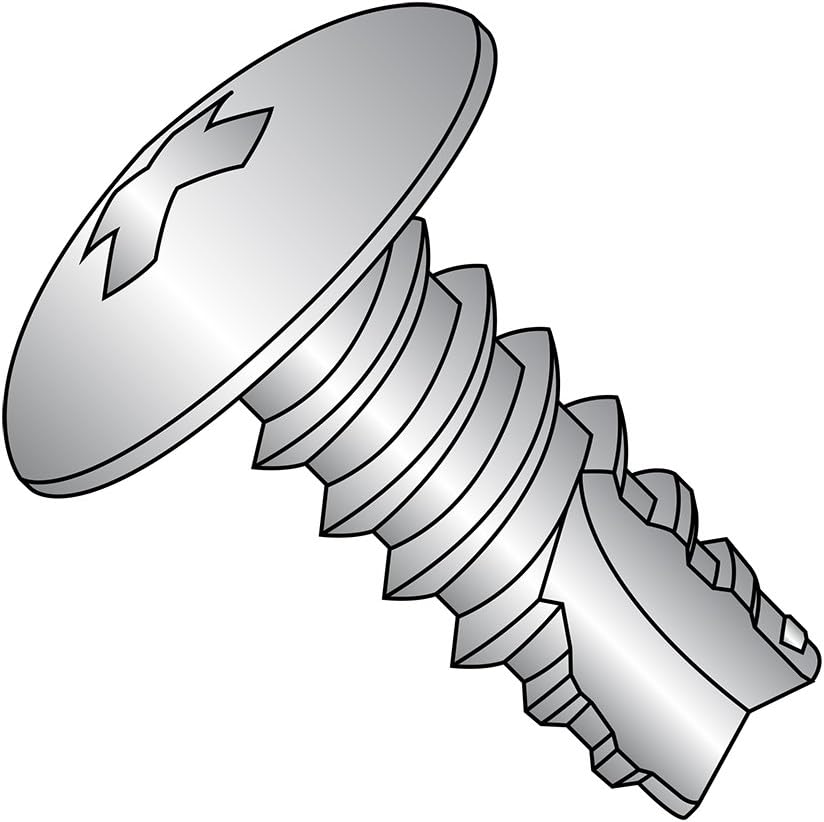
The 18-8 stainless steel thread cutting screw has a plain finish, a Type 25 point style, and a truss head with a Phillips drive. The screw, also called a type BT thread cutting screw, has coarse threads and is suitable for use with plastics and other soft materials. The type 25 point tapers down to a blunt edge and directs chips out of the hole to prevent clogging. The large cutting surface enables screw installation with minimal rotating force. The 18-8 stainless steel material provides strength and offers good corrosion resistance in many environments. The material may be slightly magnetic. The truss head has an extra-wide low-profile domed shape for applications with minimal clearance. The Phillips drive has an x-shaped slot that accepts a Phillips driver and is designed to allow the driver to slip out of the head to help prevent over-tightening and damage to the thread or fastener.
Thread cutting and thread rolling screws, two types of self-tapping screws, are threaded fasteners that create a mating thread in the wall of a hole. The two screws differ from each other in the way that they create the threads. Thread cutting screws cut the wall of the hole to create the thread, creating material chips that need to be cleared away from the hole to prevent clogging. Thread rolling screws, also called thread forming screws, do not remove material but instead press against the wall of the hole to displace the material and form the threads.
 أجزاء صغيرة 310806HMA من الألومنيوم للذكور والإناث، مقاس سداسي 5/16 بوصة، طول 1/2 بوصة، مقاس 6-32 خيط (عبوة من 25 قطعة)
SAR 53
أجزاء صغيرة 310806HMA من الألومنيوم للذكور والإناث، مقاس سداسي 5/16 بوصة، طول 1/2 بوصة، مقاس 6-32 خيط (عبوة من 25 قطعة)
SAR 53
 -18%
برغي لفافة من الصلب للبلاستيك، مطلي بالزنك، رأس Pan Head، محرك Phillips، مقاس الخيوط #2-28، طول 5/16 بوصة (عبوة من 100)
SAR 23
-18%
برغي لفافة من الصلب للبلاستيك، مطلي بالزنك، رأس Pan Head، محرك Phillips، مقاس الخيوط #2-28، طول 5/16 بوصة (عبوة من 100)
SAR 23
 صينية الرأس من الفولاذ المقاوم للصدأ آلة برغي ، والأسود ، لمسة نهائية من الأوكسيد ، يلبي ASME b18.6.3 ، 2 فيليبس Drive, 8 – مقاس 32 خيط ، الطول: 2 – 1/2 ، مستوردة من مترابطة ، بالكامل (حزمة من 50)
SAR 49
صينية الرأس من الفولاذ المقاوم للصدأ آلة برغي ، والأسود ، لمسة نهائية من الأوكسيد ، يلبي ASME b18.6.3 ، 2 فيليبس Drive, 8 – مقاس 32 خيط ، الطول: 2 – 1/2 ، مستوردة من مترابطة ، بالكامل (حزمة من 50)
SAR 49
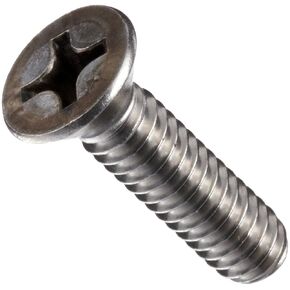 أجزاء صغيرة 316 برغي آلة من الفولاذ المقاوم للصدأ، لمسة نهائية سادة، رأس مسطح، محرك فيليبس، طول 3/4 بوصة، #10-32 خيط (عبوة من 25 قطعة)
SAR 76
أجزاء صغيرة 316 برغي آلة من الفولاذ المقاوم للصدأ، لمسة نهائية سادة، رأس مسطح، محرك فيليبس، طول 3/4 بوصة، #10-32 خيط (عبوة من 25 قطعة)
SAR 76