- Shopping, made easy.
- /
- Get the app!
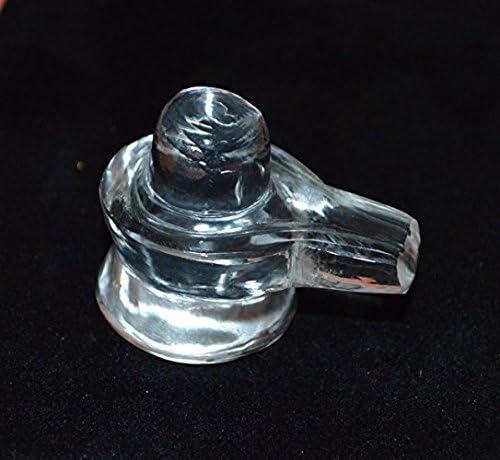
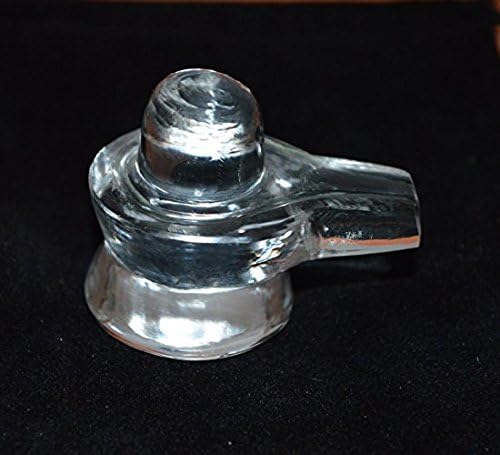
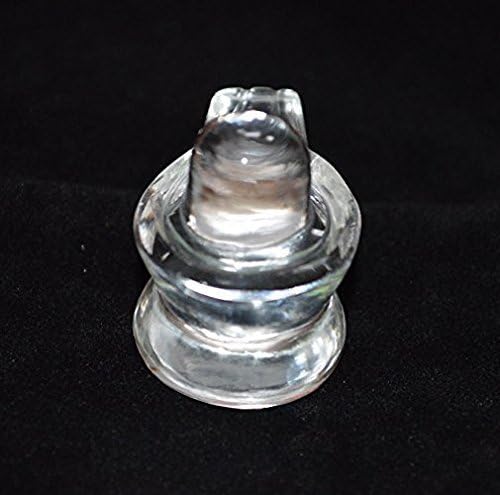
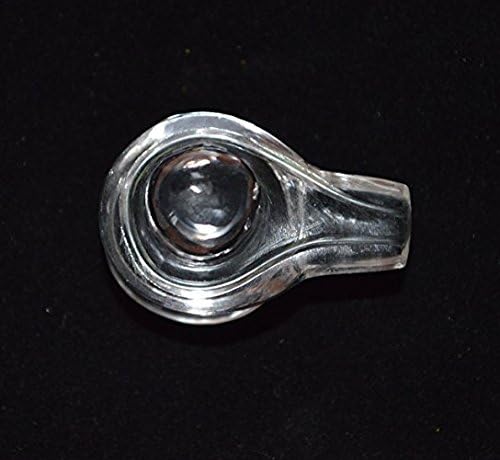
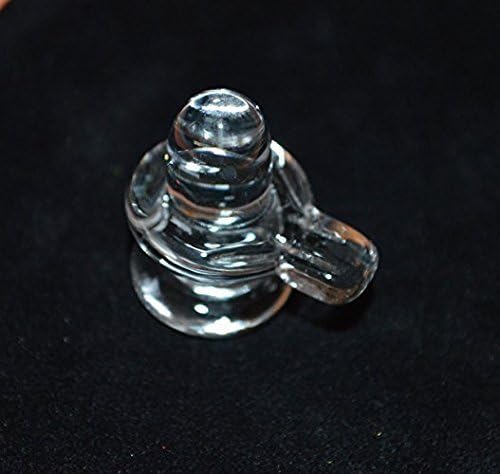
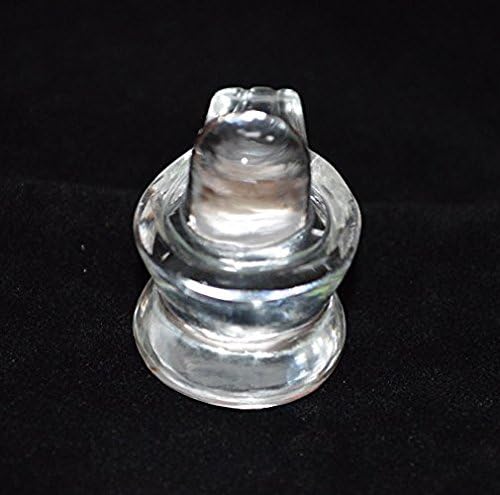
The lingam has been interpreted as a symbol of male creative energy or of the phallus though today most Hindus view the linga as a symbol of divine energy rather than as a sexual symbol. The lingam is often represented with the yoni, a symbol of the goddess or of Shakti, female creative energy. The union of lingam and yoni represents the "indivisible two-in-oneness of male and female, the passive space and active time from which all life originates". The lingam and the yoni have been interpreted as the male and female sexual organs since the end of the 19th century by some scholars, while to practising Hindus they stand for the inseparability of the male and female principles and the totality of creation. The Hindu scripture Shiva Purana describes the worship of the lingam as originating in the loss and recovery of Shiva's phallus, though it also describes the origin of the lingam as the beginning-less and endless pillar (Stambha). The Linga Purana also supports the latter interpretation as a cosmic pillar, symbolizing the infinite nature of Shiva.
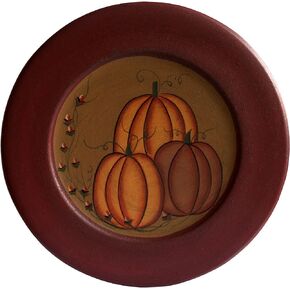 CVHOMEDECO. Primitive Antique Pumpkin Painted Wood Decorative Plate Halloween Display Wooden Plate Home Décor Art, 9-3/4 Inch
SAR 105
CVHOMEDECO. Primitive Antique Pumpkin Painted Wood Decorative Plate Halloween Display Wooden Plate Home Décor Art, 9-3/4 Inch
SAR 105
 Talisman - Single Glass Evil Eye Protection - Good Luck Charm, Home, Office, Car Decoration, Blessing Ornament, Reflects Negative Energy (6 Inch)
SAR 32
Talisman - Single Glass Evil Eye Protection - Good Luck Charm, Home, Office, Car Decoration, Blessing Ornament, Reflects Negative Energy (6 Inch)
SAR 32
 IS4A Natural Cotton Wicks Handmade Diya Batti for Pooja, Home Decoration in Festivals, Diwali Oil Lamp Wick (100 pc Round Cotton Wicks)
SAR 23
IS4A Natural Cotton Wicks Handmade Diya Batti for Pooja, Home Decoration in Festivals, Diwali Oil Lamp Wick (100 pc Round Cotton Wicks)
SAR 23
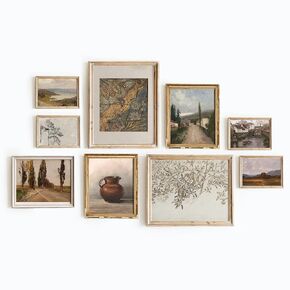 Set Of 9 French Country Prints Wall Decor - Landscape Wall Art French Country Decor, Vintage Wall Decor Gallery Wall Art, Large Bathroom Art Prints, Farmhouse Floral Vintage Art(11X14 IN UNFRAMED)
SAR 110
Set Of 9 French Country Prints Wall Decor - Landscape Wall Art French Country Decor, Vintage Wall Decor Gallery Wall Art, Large Bathroom Art Prints, Farmhouse Floral Vintage Art(11X14 IN UNFRAMED)
SAR 110