- التسوق ، اصبح سهلا.
- /
- احصل على التطبيق!

There are two kinds of holes. The one you want gone, and the one you would rather turn into something. A HoleyPatches peek a boo patch is built for the second kind. Slide it behind the opening and iron it in place, and the pattern shows through the tear from inside the garment. The repair stops looking like a repair and starts looking deliberate, which is why the line is called peek a boo. Nothing sits on top of the denim to catch or peel. Every patch is two layers. A woven cotton face carrying the print, mounted on a denim backing that gives the patch body and holds the adhesive. Cotton behaves like cloth, so the mend moves and softens with each wash instead of stiffening into a plastic square. These iron on patches for clothes are made for woven fabrics: denim, jackets, canvas, tote bags, shorts and aprons. The cotton face does not stretch, so for stretch denim, jeggings, spandex blends or knits, use our stretch patches, where a stretch face and stretch denim backing move with the garment. The face is cut roughly half an inch smaller than the backing on every side. That leaves a bare denim border around the whole patch carrying twice the adhesive, placed where patches lift first. It is a slower way to build a patch and it is the reason these cost what they do. To apply: wash and dry the garment first, without fabric softener or dryer sheets. The adhesive covers the whole printed face, so the patch sits inside the garment, pattern facing out through the hole. Lay scrap fabric behind the hole, press for about 30 seconds with the hottest steam setting the care label allows, then let the patch cool completely before checking the edges and corners and adding heat only where needed. Each one is cut and finished by hand in the USA from fabrics chosen so a mend looks intentional. They always go on from the inside, behind the opening: as decorative iron on patches for jeans, as a fabric patch inside a jacket, or inside the bag you would rather fix than replace.
 بيتيتيتو رقع مطرزة بالدانتيل ثلاثية الابعاد على شكل زهور لتزيين فستان الزفاف يدويا للحرف اليدوية
SAR 73
 إبر يدوية كبيرة للعين 01824 من سينجر، 12 قطعة
SAR 39
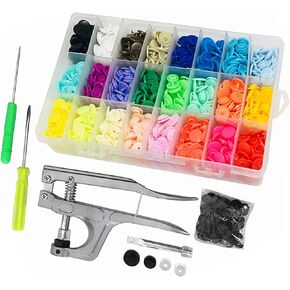 مجموعة أزرار كبس وزردية من FQTANJU، مجموعة أزرار بلاستيكية T5 مكونة من 1440 قطعة مع 10 قطع من مشابك الخياطة وشريط قياس واحد للخياطة، ومجموعة أدوات تثبيت للخياطة والملابس والحرف اليدوية والحفاضات والمرايل (360 مجموعة)
SAR 110
 رقع جينز مطاطية من قماش الدنيم باللون الأزرق الداكن، يمكن كيها بقوة فائقة من هولي باتشس (أحجام متنوعة) (2-5 بوصة × 5 بوصات)
SAR 78

 العربية السعودية