- التسوق ، اصبح سهلا.
- /
- احصل على التطبيق!
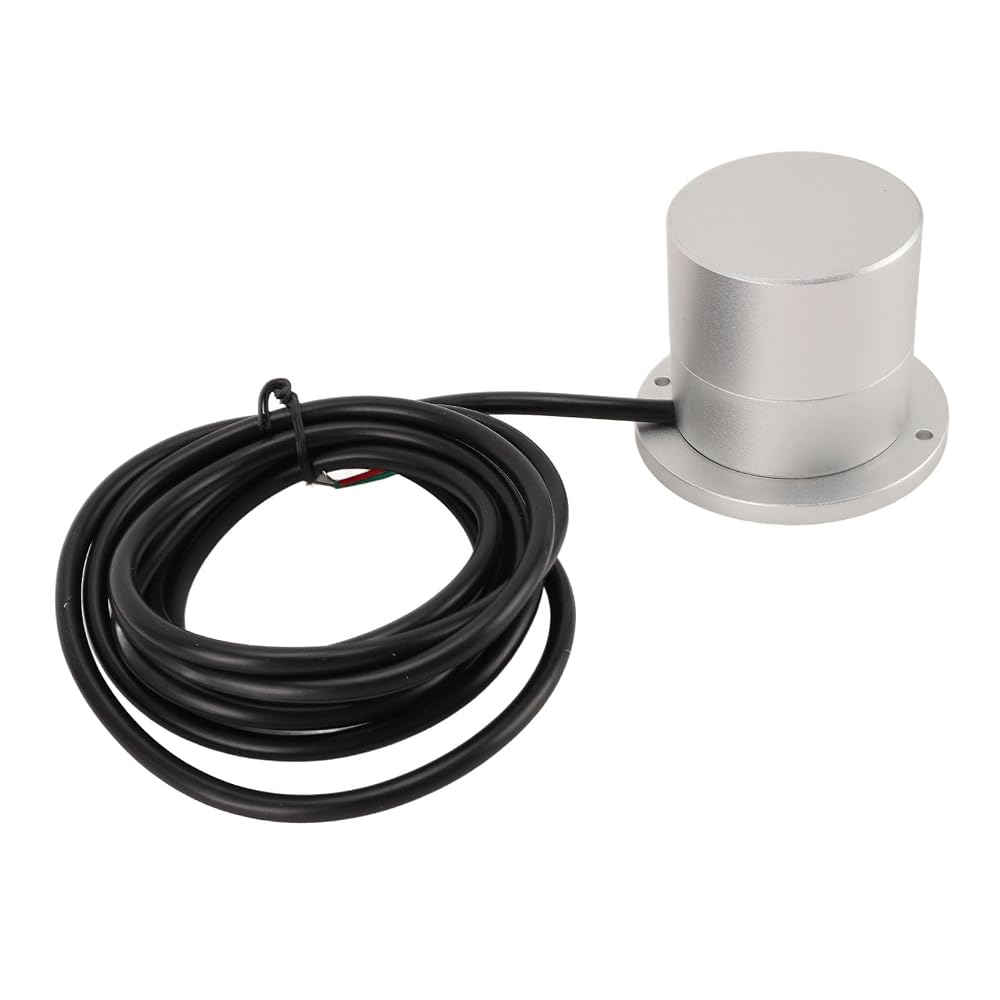
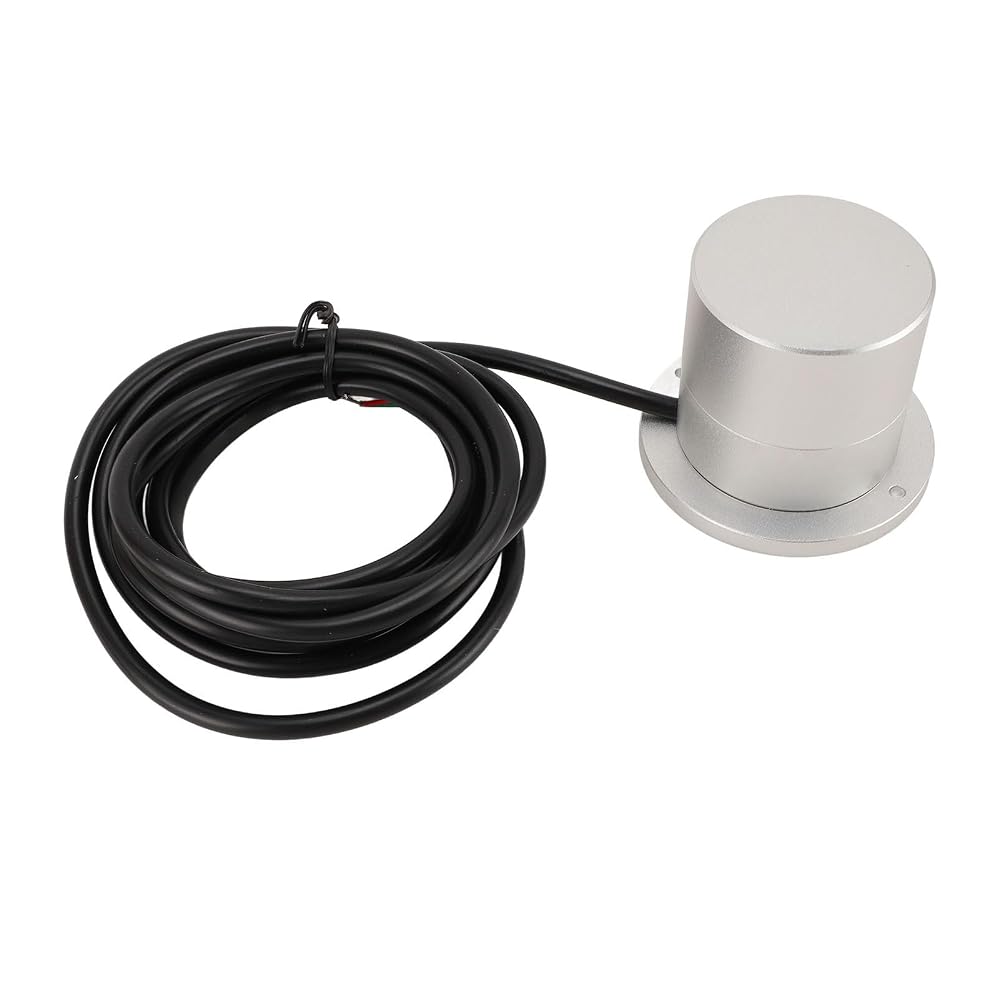
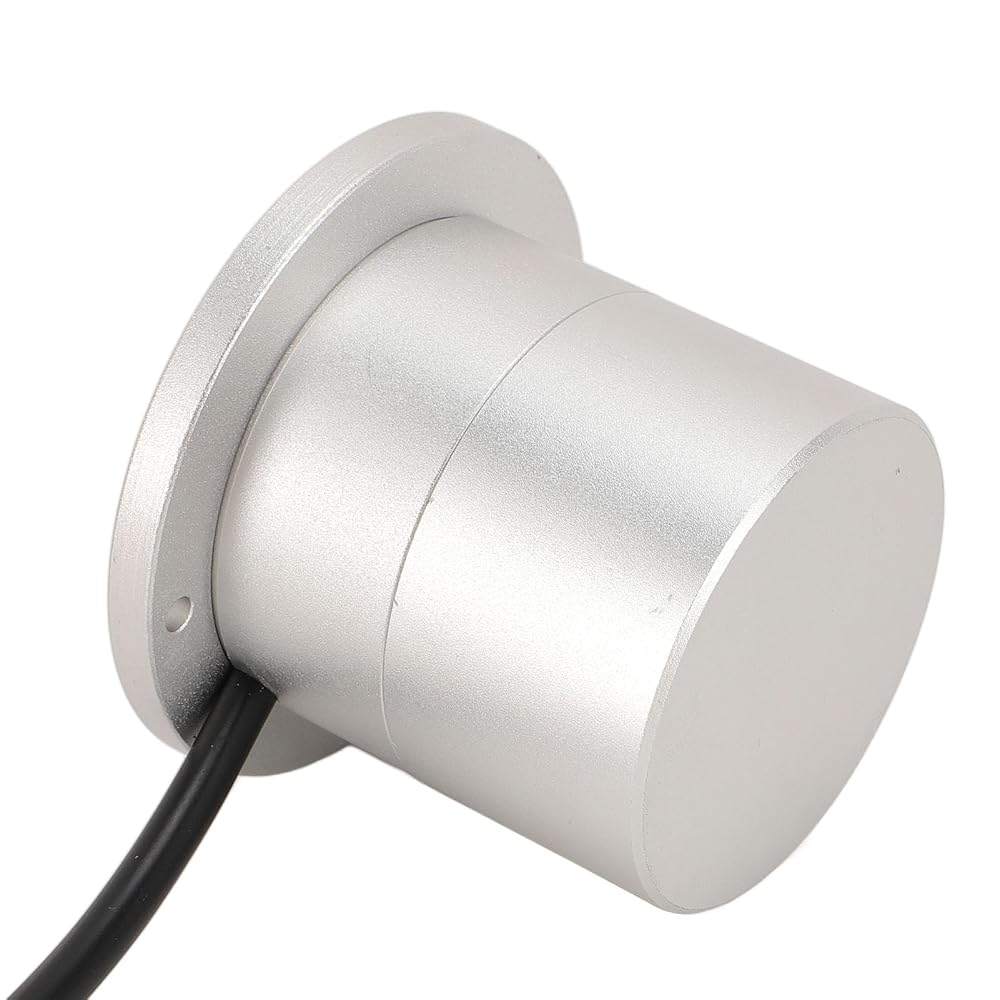
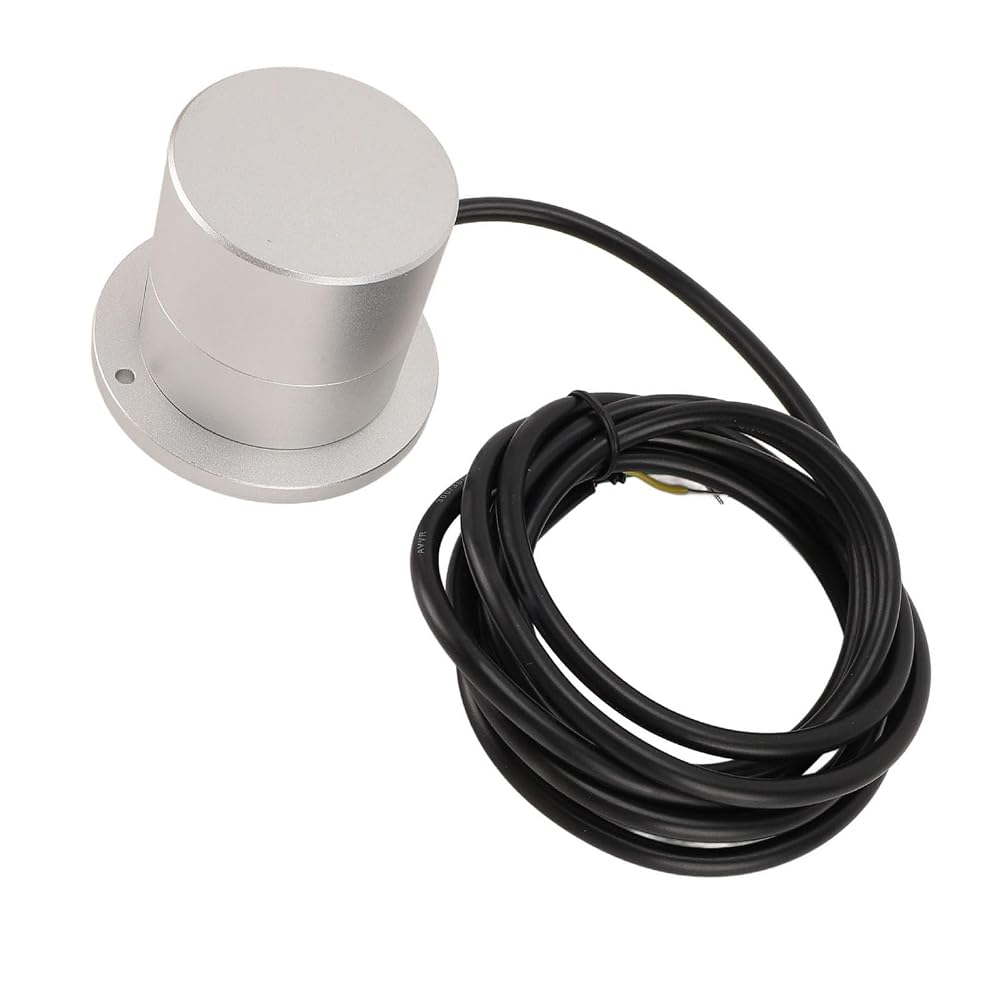
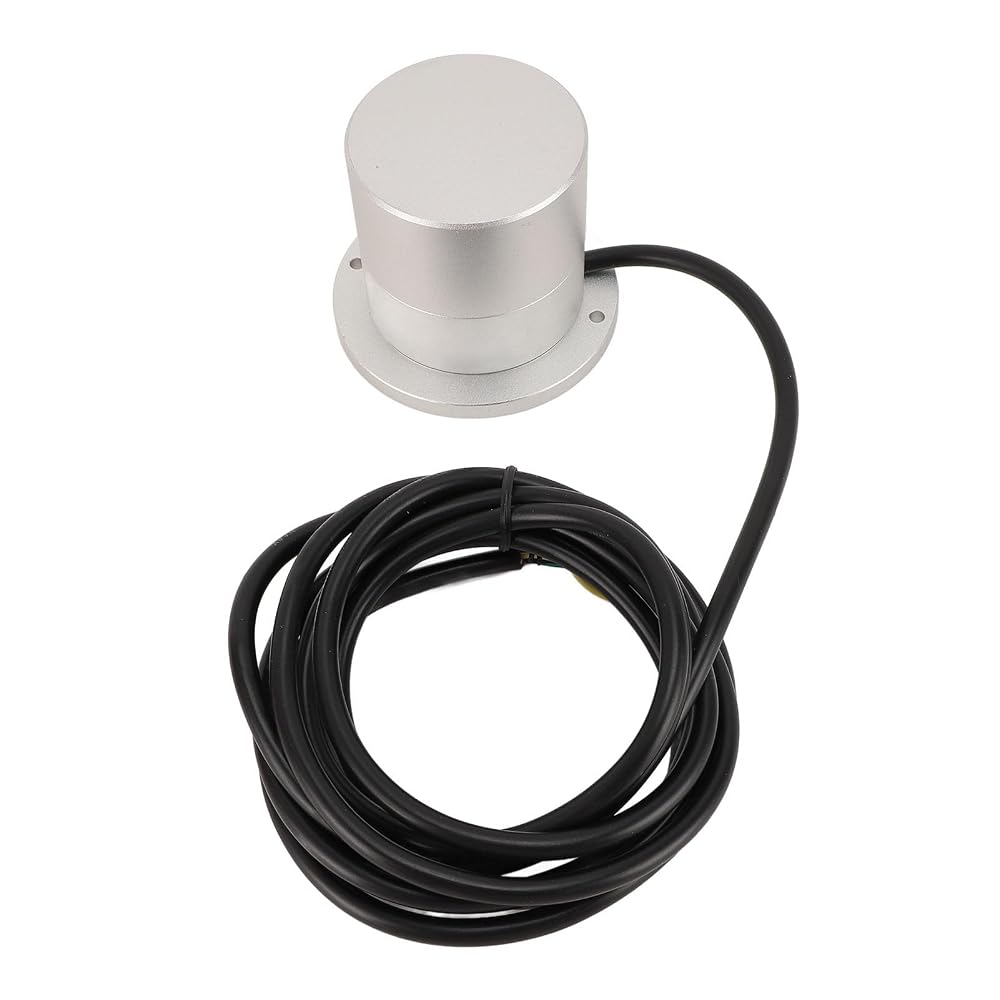
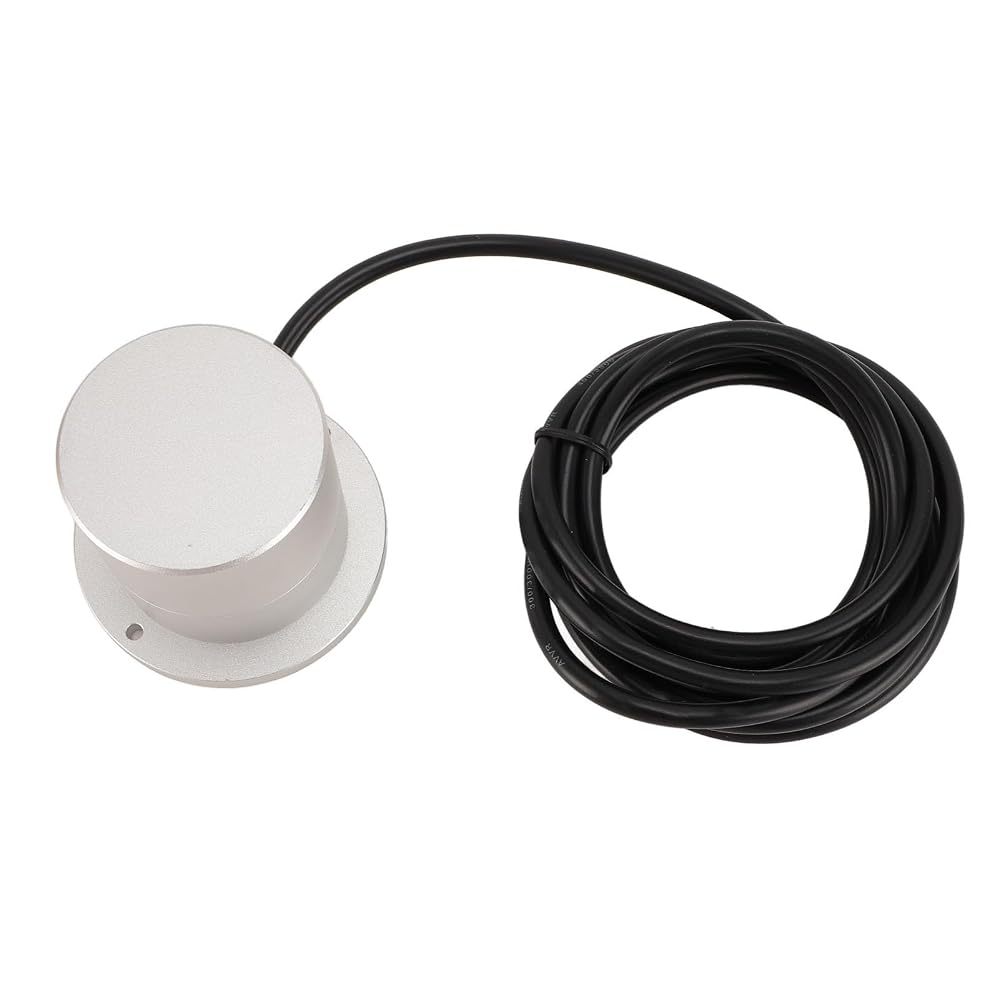
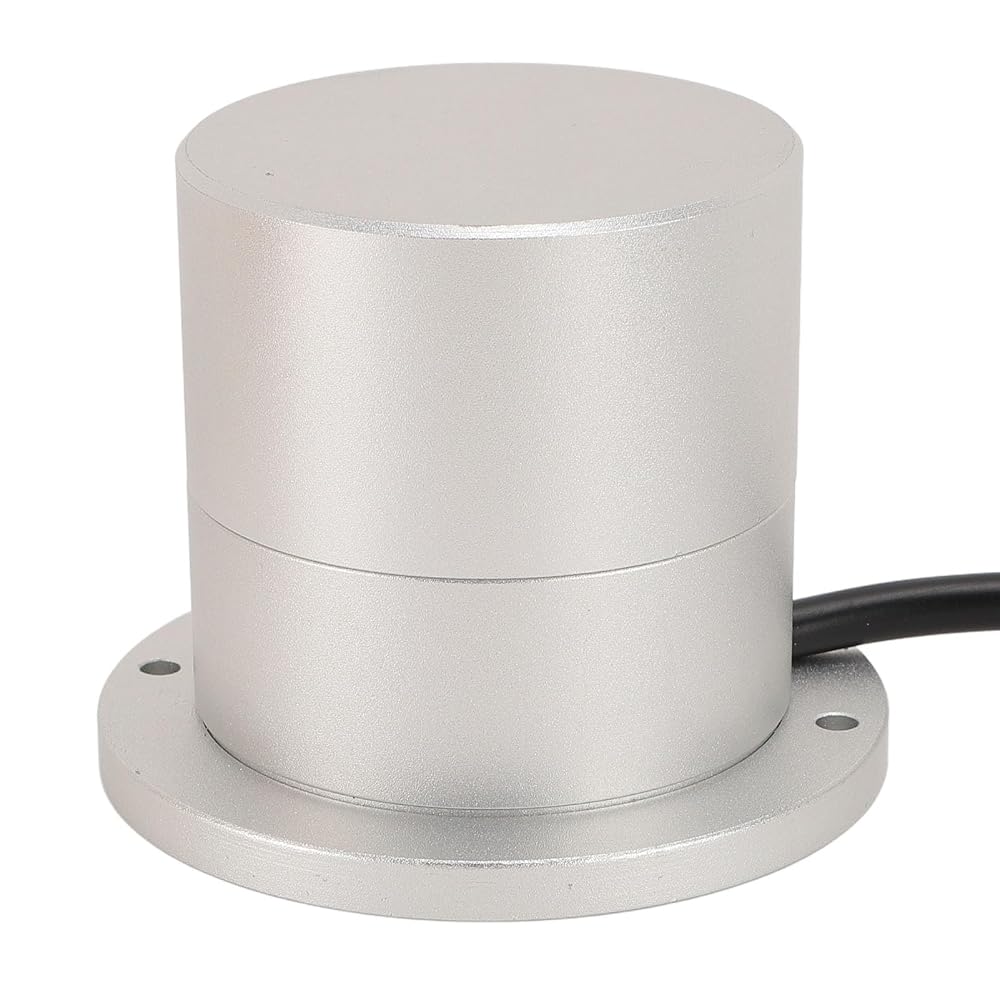
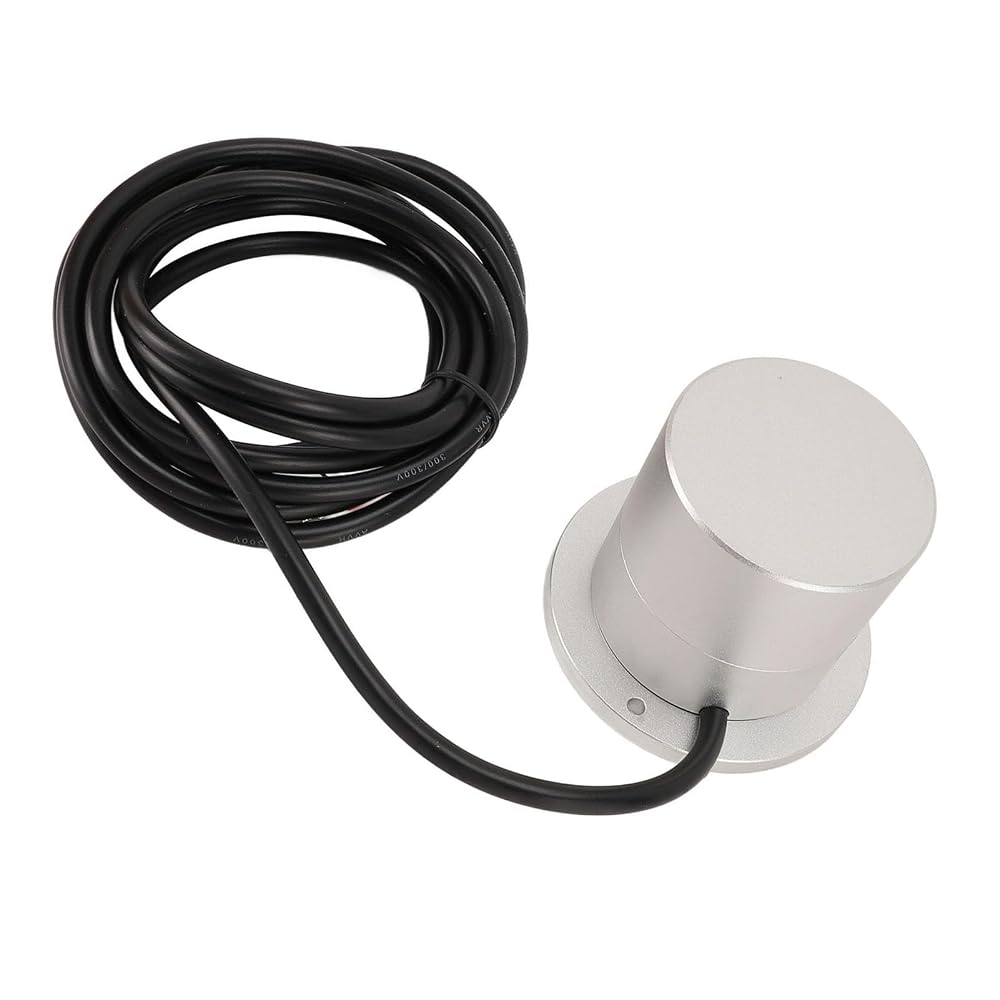
Item Type: Solar Radiation Sensor
Material: Aluminum alloy
Weight: Approx. 298.00g/10.5oz
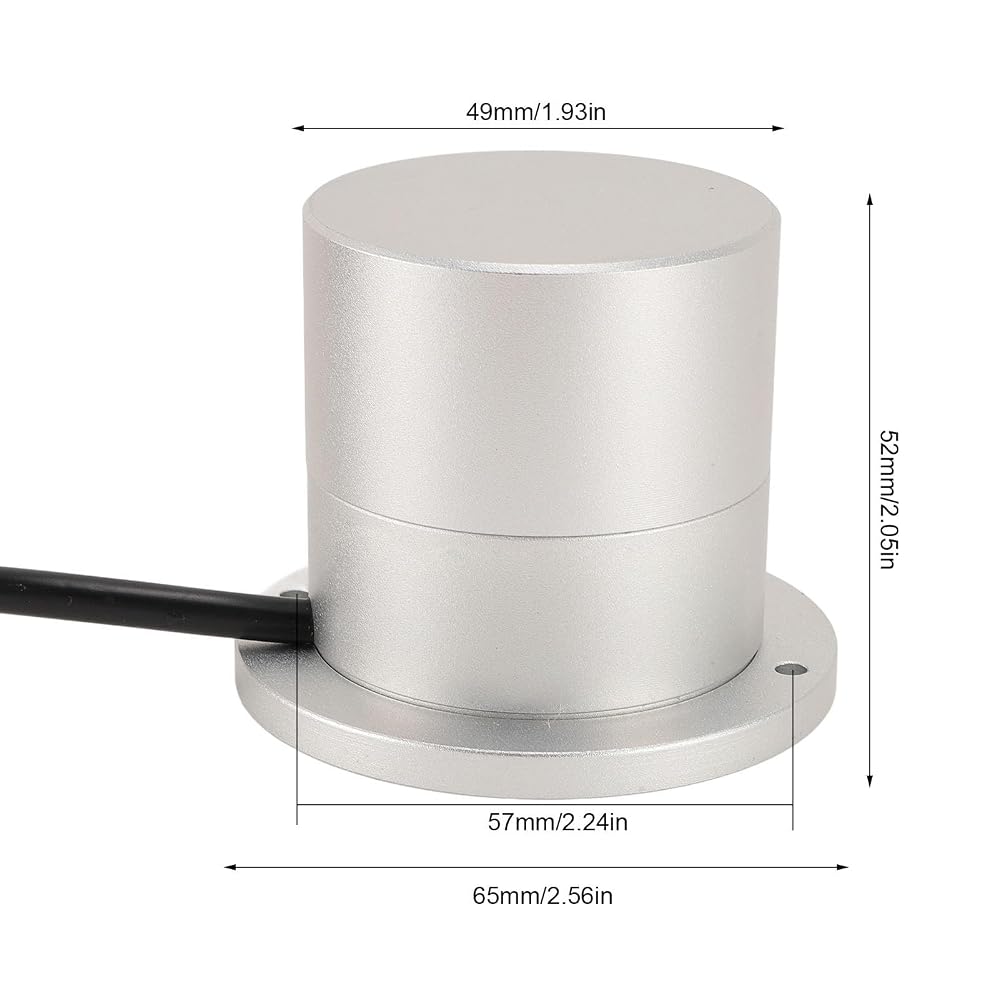
Product Size: Approx. 65x52x49mm/2.56x2.05x1.93in
Bottom Hole Distance: Approx. 57mm/2.24in
Output: RS232 (default for Modbus protocol)
Red Wire: Power positive
Black Wire: Connect to device RX, computer serial port pin 2
Yellow Wire: Connect to device TX, computer serial port pin 3
Green Wire: Power negative
Power Supply: 5V
Spectrum Range: 300 to 1100nm
Resolution: 1W/m2
Measurement Range: 0 to 1500W/m2
Sensitivity: 7 to 14μV/Wm-2
Accuracy: ±5%
Load Capacity: Current output impedance RL250Ω
Voltage output impedance RL1KΩ
Response Time: Cosine Response: Non Linearity: Annual Variation: Operating Environment: Temperature -40°C to 60°C; Humidity 100%RH
Power Consumption: 0.48W
For Modbus CRC Checksum Steps:
1. Initialize a 16 bit register to hex FFFF, referred to as the CRC register.
2. XOR the first 8 bits of data with the low byte of the CRC register and store the result in the CRC register.
3. Right shift the contents of the register by one bit, filling the highest bit with 0, and check the lowest bit.
4. If the lowest bit is 0: Repeat step 3 (shift again). If the lowest bit is 1: XOR the CRC register with the polynomial A001 (1010 0000 0000 0001).
5. Repeat steps 3 and 4 for a total of 8 shifts, processing the entire 8 bit data.
6. Repeat steps 2 to 5 for the next 8 bit data. The final CRC register obtained is the CRC code (low byte first, high byte last).
Troubleshooting:
The displayed value on the instrument is incorrect during output. This may be due to wiring issues or communicating port failure, preventing the correct data acquisition. Please check the wiring for correctness and stability, make sure the serial port is not being used by other devices, and verify the serial port settings are correct.
Package List:
1 x Solar Radiation
1

 قضيب دعم تثبيت ترايبود سبيكة الألومنيوم ، شريط التمرير القابل للتعديل ، خفيفة الوزن محمولة - الاستقرار المحسّن لترايبود كاميرا الفيديو ، شريط التمرير المتوافق مع معظم الإعدادات
SAR 183
قضيب دعم تثبيت ترايبود سبيكة الألومنيوم ، شريط التمرير القابل للتعديل ، خفيفة الوزن محمولة - الاستقرار المحسّن لترايبود كاميرا الفيديو ، شريط التمرير المتوافق مع معظم الإعدادات
SAR 183
 T2 تمديد أنبوب 2in 60 ملم تمديد تلسكوب مع M42x1 M48 لمحول العدسة - يعزز التصوير الفلكي ، متوافق مع الكاميرات NX المرآة
SAR 220
T2 تمديد أنبوب 2in 60 ملم تمديد تلسكوب مع M42x1 M48 لمحول العدسة - يعزز التصوير الفلكي ، متوافق مع الكاميرات NX المرآة
SAR 220
 آلة الختم اليدوية XZ Trimming Platform 40x90mm - دقة عالية مع دليل تروس وهيكل قابل للفصل - مثالية للأجهزة البصرية والآلات الصناعية
SAR 1,117
آلة الختم اليدوية XZ Trimming Platform 40x90mm - دقة عالية مع دليل تروس وهيكل قابل للفصل - مثالية للأجهزة البصرية والآلات الصناعية
SAR 1,117
 قطعة ذيل جسر نظام تريمولو للجيتار الكهربائي مع ذراع تدوير يدوية، جزء بديل معدني - متين - لمسة نهائية، ضبط ثابت لعازفي الجيتار موسيقى الجاز والروك
SAR 285
قطعة ذيل جسر نظام تريمولو للجيتار الكهربائي مع ذراع تدوير يدوية، جزء بديل معدني - متين - لمسة نهائية، ضبط ثابت لعازفي الجيتار موسيقى الجاز والروك
SAR 285