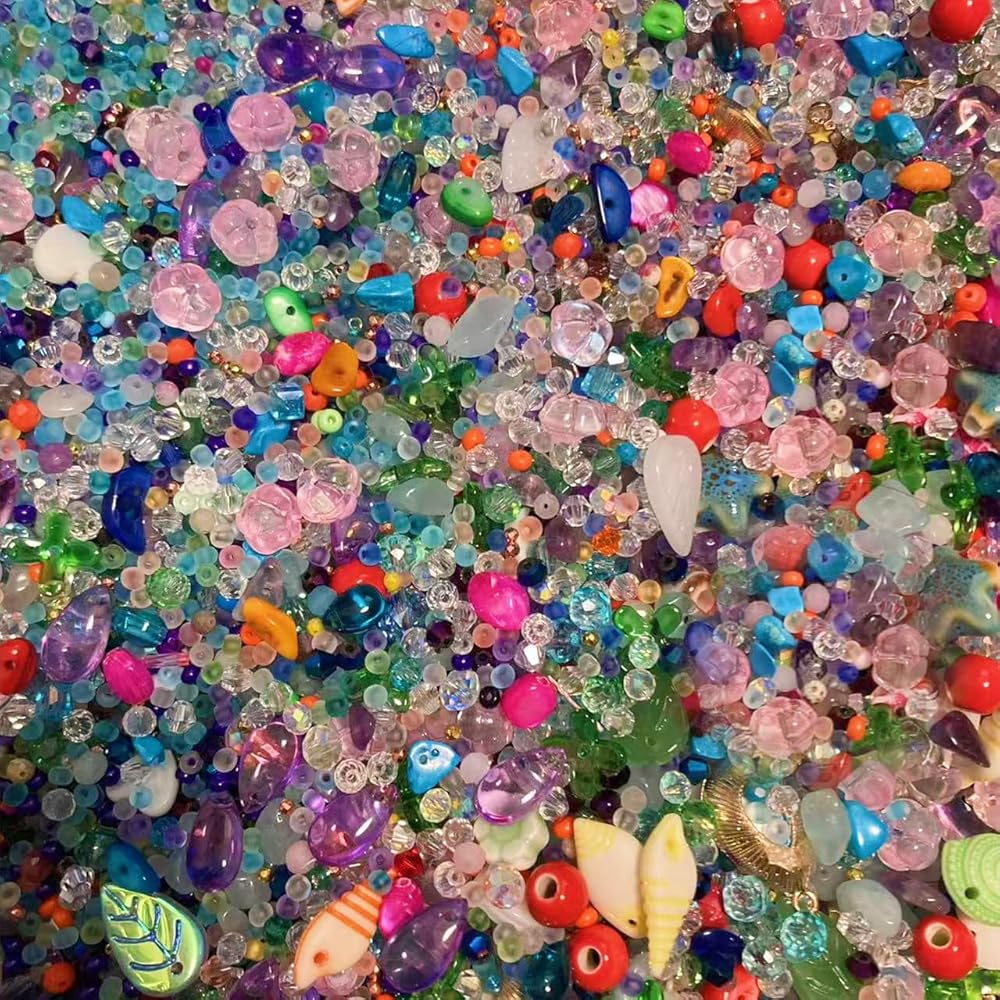
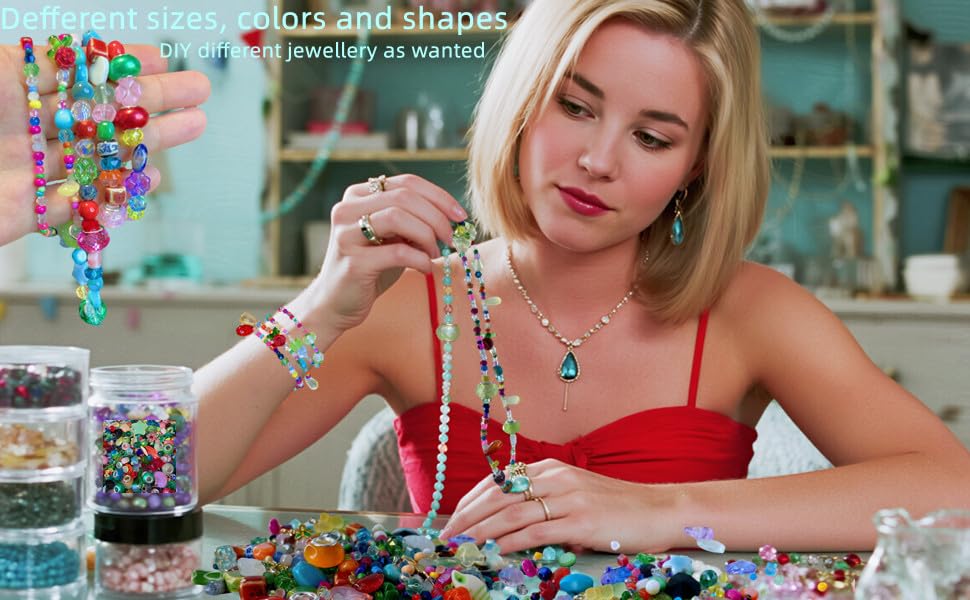
The Art of Mixing Beads: Combining beads of various materials, sizes, shapes, and colors is a popular crafting technique that unlocks endless creative possibilities. Whether you're designing jewelry or decorating objects, mastering this art allows you to create unique and personalized pieces. Here are five key points to consider.
Unleash Creativity with Color and Shape Variety:The most exciting aspect of mixing beads is the freedom to experiment with vibrant color palettes and diverse shapes. A single mix can include transparent, opaque, or iridescent beads in a spectrum of colors, from warm tones to cool gems.
Achieve Dynamic Visual Texture and Depth: Mixing different sizes and shapes within a single piece adds movement and interest. Imagine a necklace that transitions smoothly from small 2mm seed beads to larger 15mm faceted beads and even statement pieces up to 15mm or 20mm. This variation in scale creates a natural rhythm and draws the eye across the design. Similarly, combining smooth round beads with textured cubes or faceted crystals plays with light reflection, adding a layer of sophistication and depth that uniform beads cannot achieve alone.
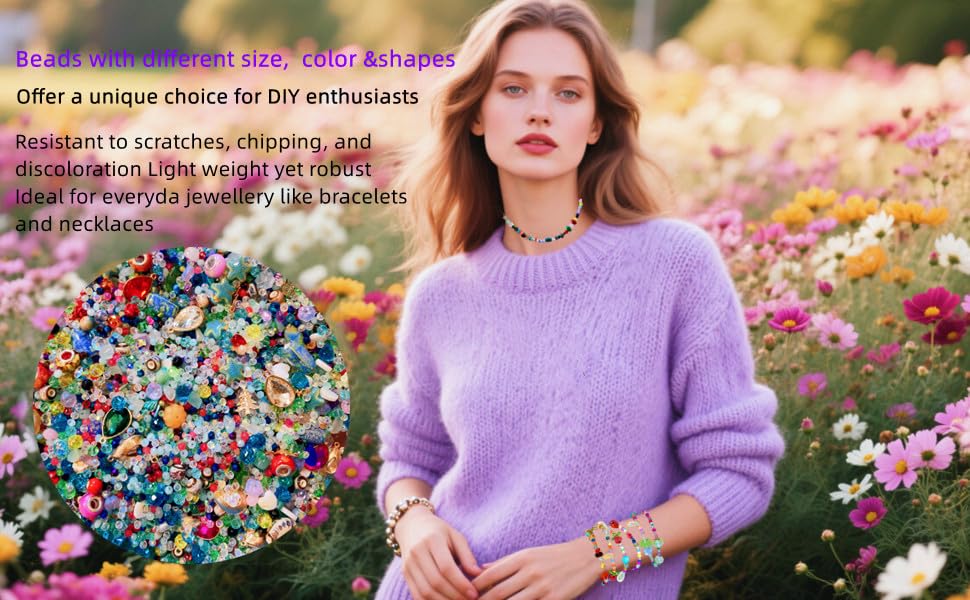
Leverage the Unique Qualities of Different Materials: Each material brings its own advantages. Glass and crystal beads, such as those from Preciosa or Miyuki, are prized for their shine, weight, and durability. They are often waterproof and resistant to fading, making them suitable for jewelry worn frequently. Plastic beads are typically lightweight, affordable, and available in a vast array of colors, making them ideal for large projects or children's crafts.
Explore Endless Applications in Crafting: The applications for mixed beads are virtually limitless. They are most commonly used in jewelry making, perfect for creating necklaces, bracelets, and earrings with a unique, bohemian flair. Beyond jewelry, these mixes can be used to decoratephoto frames, wind chimes, keychains, and bag ornaments
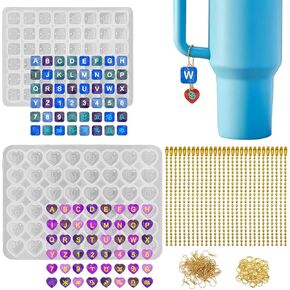 152 Pcs Silicone Resin Molds Kit - Alphanumeric, Constellation Jewelry Making Set with 2 Molds (Heart & Rectangle), 150 Gold Accessories for DIY Necklace, Keychain, Gift Crafts
SAR 53
152 Pcs Silicone Resin Molds Kit - Alphanumeric, Constellation Jewelry Making Set with 2 Molds (Heart & Rectangle), 150 Gold Accessories for DIY Necklace, Keychain, Gift Crafts
SAR 53
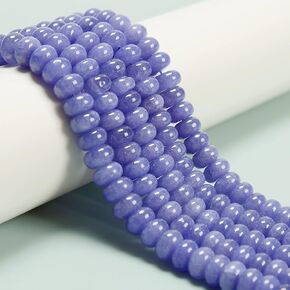 JM Design 5x8mm Tanzanite Color Dyed Jade Smooth Rondelle Necklace Beads for Bracelets Jewelry Making
SAR 68
JM Design 5x8mm Tanzanite Color Dyed Jade Smooth Rondelle Necklace Beads for Bracelets Jewelry Making
SAR 68
 -12%
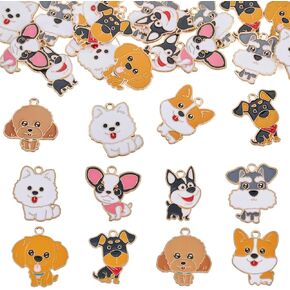
Cheriswelry 19Pcs Enamel Pet Dog Cute Animals Charms Pendant Alloy Metal Earring Charms for 18-25mm for Necklace Bracelet Earring Jewelry Making Crafts
SAR 38
-12%
Cheriswelry 19Pcs Enamel Pet Dog Cute Animals Charms Pendant Alloy Metal Earring Charms for 18-25mm for Necklace Bracelet Earring Jewelry Making Crafts
SAR 38
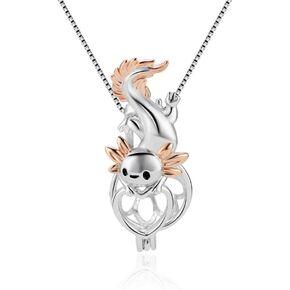 Pink Axolotl Cage Pendants for Pearl Jewelry Making Sterling Silver, Design Pearl Cage Pendants for Women
SAR 100
Pink Axolotl Cage Pendants for Pearl Jewelry Making Sterling Silver, Design Pearl Cage Pendants for Women
SAR 100