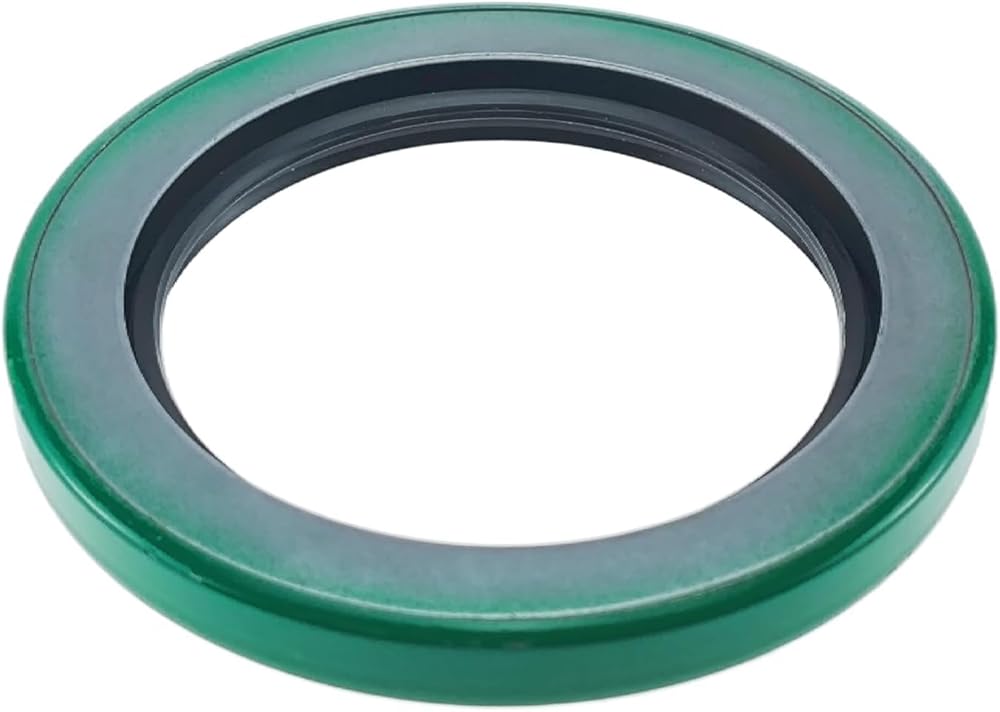
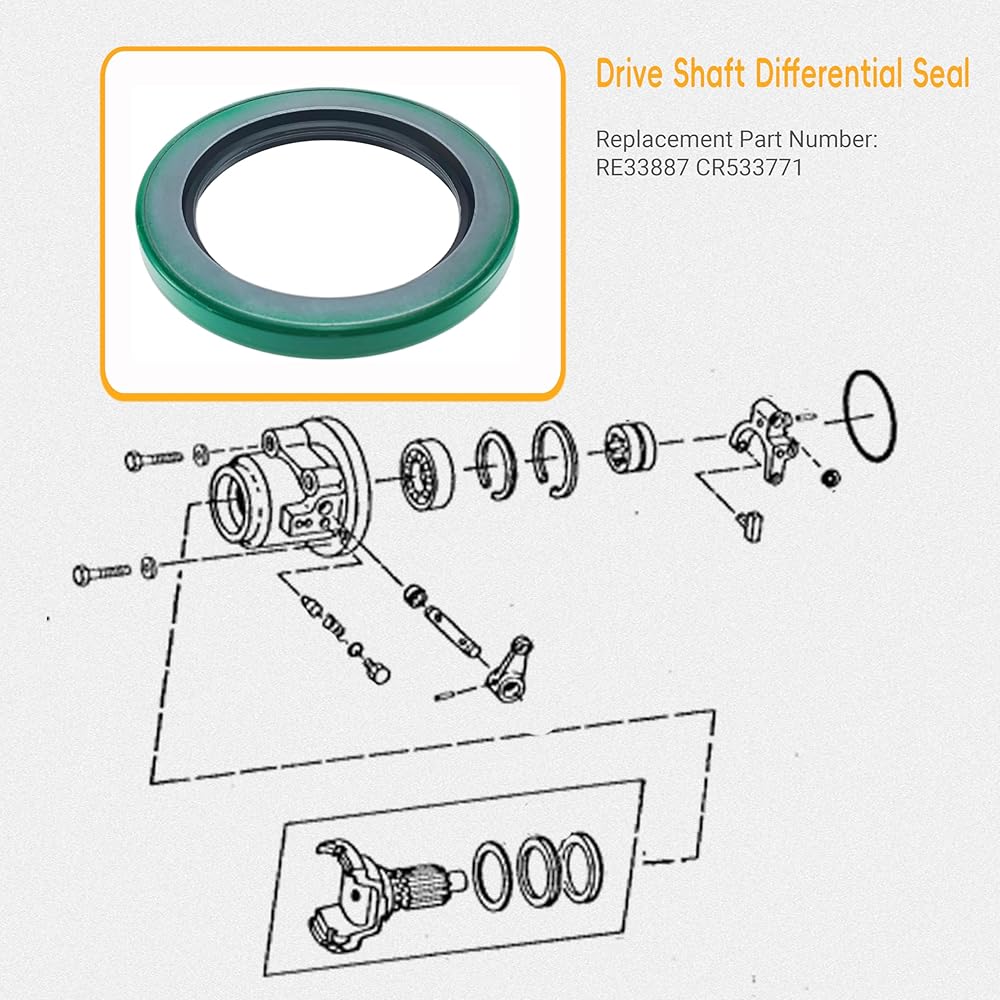
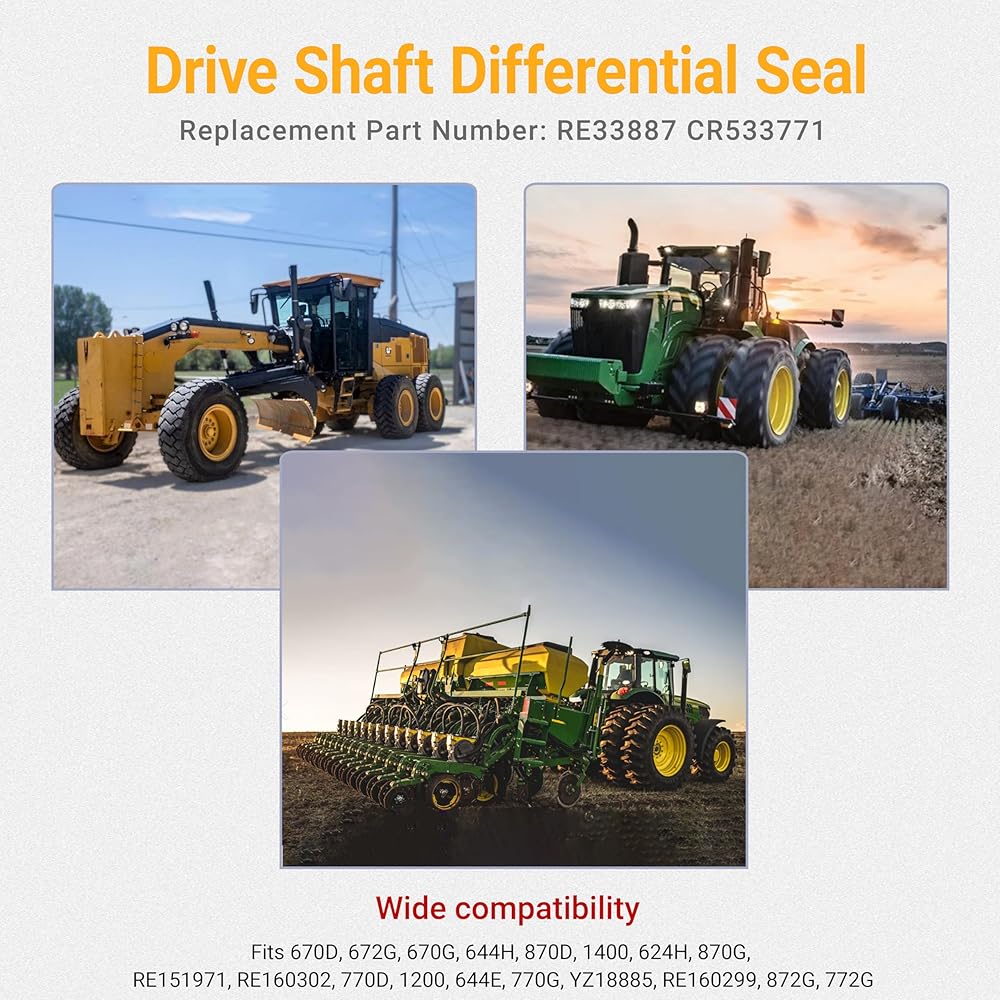
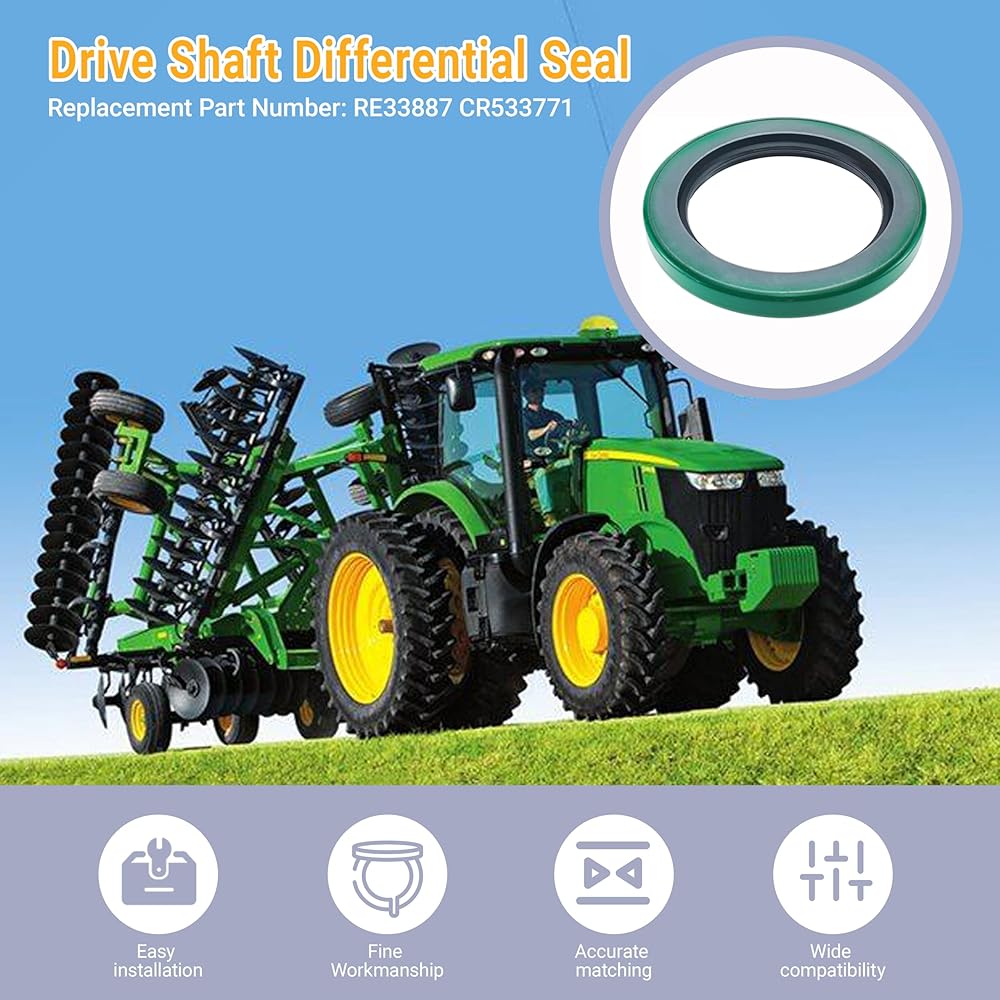
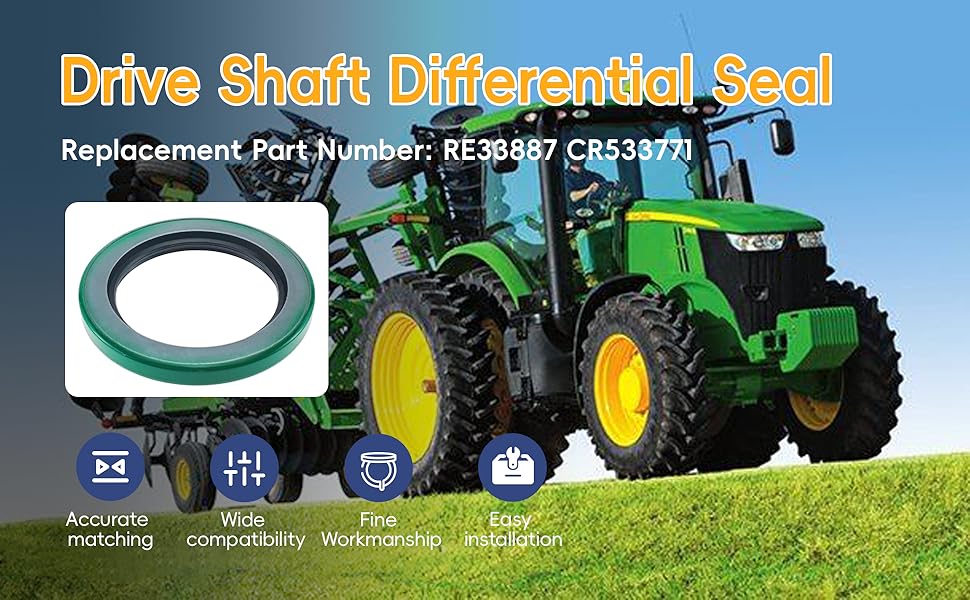
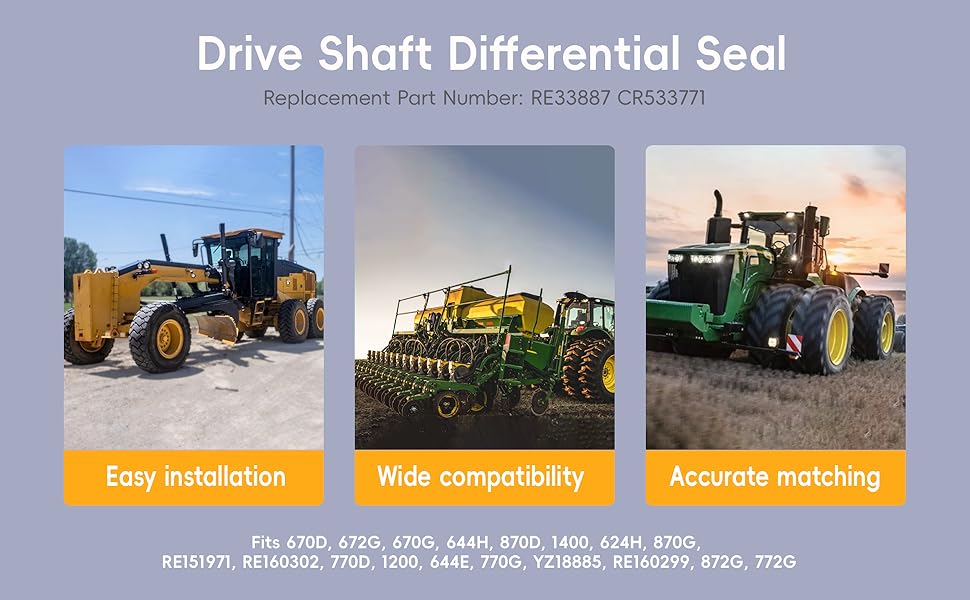
أداء إحكام عالي ومقاومة للضغط أثناء تشغيل الترس التفاضلي، تتولد تقلبات الضغط عندما تحرك التروس زيت التشحيم، وتشهد أعمدة القيادة دورانًا عالي السرعة وحركة محورية أثناء تحرك السيارة. لذلك، يجب أن تتمتع مكونات الختم بأداء إغلاق ممتاز، وأن تكون قادرة على ملاءمة سطح الختم عندما يكون ثابتًا وتحمل تأثير ضغط الزيت الداخلي في ظل الظروف الديناميكية، مع تحمل الاحتكاك والتآكل الناتج عن دوران عمود الإدارة، لمنع تسرب زيت التشحيم.
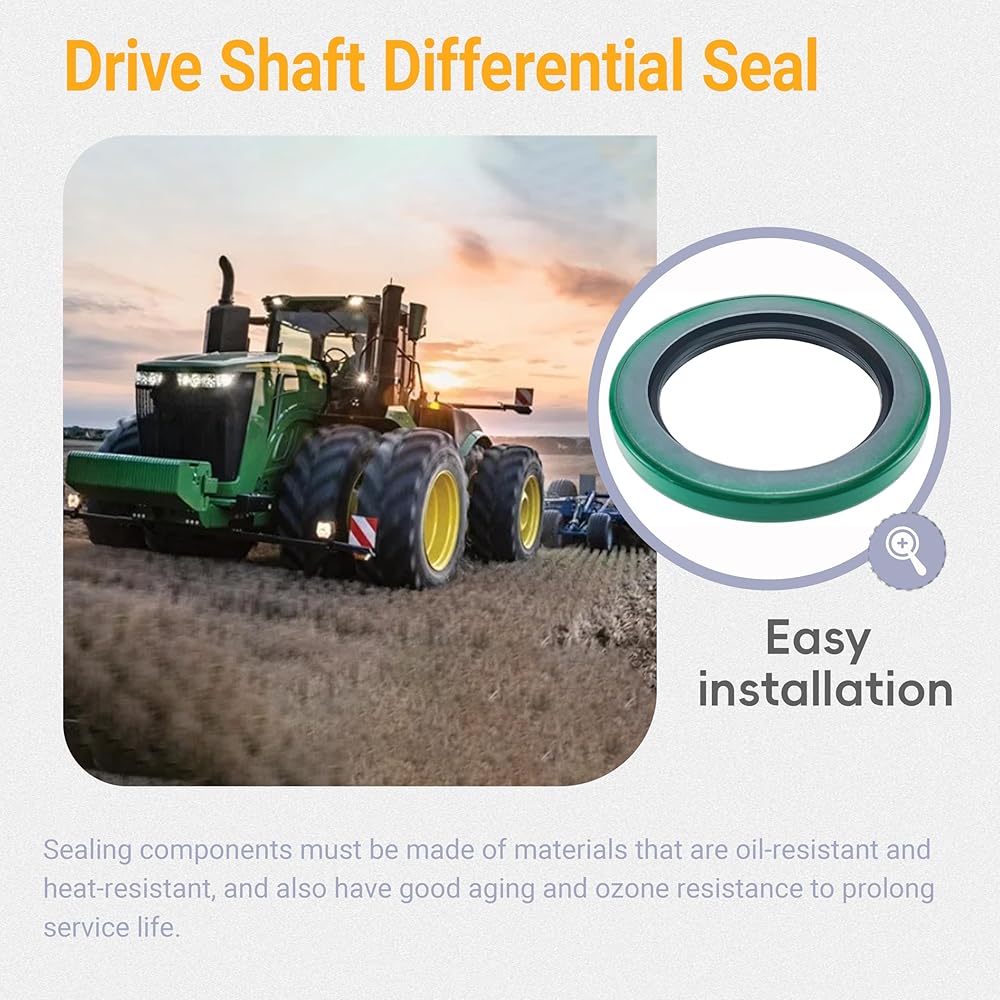
درجة الحرارة والمقاومة المتوسطة ومقاومة الشيخوخة يحتوي زيت التروس الموجود داخل الترس التفاضلي على تآكل كيميائي معين، ويمكن أن يولد الترس التفاضلي درجات حرارة عالية بسبب الاحتكاك أثناء تشغيل السيارة، خاصة في ظل الأحمال الثقيلة أو ظروف السرعة العالية. يجب أن تكون مكونات الختم مصنوعة من مواد مقاومة للزيت ومقاومة للحرارة، كما تتمتع أيضًا بمقاومة جيدة للتقادم والأوزون لإطالة عمر الخدمة
التوافق الهيكلي للتكيف مع الظروف المعقدة يجب أن تتمتع الأختام التفاضلية بتوافق هيكلي جيد لاستيعاب بعض الانحراف المركزي وتذبذب العمود، وتجنب انفصال أو تلف شفة الختم الناتج عن حركة العمود. تم تصميم بعض موانع التسرب أيضًا مع حواف غبار خارج حافة الغلق الرئيسية لمنع دخول الطين والغبار والملوثات الأخرى، مما يزيد من تعزيز موثوقية الختم والتكيف مع ظروف القيادة القاسية مثل الطرق الوعرة أو البيئات الموحلة
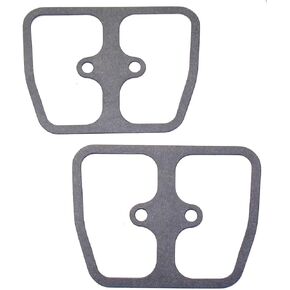 حشية 2 حزمة استبدال Kawasaki 110607001 E>49M 030 حشية غطاء الصمام الهزاز السميك تناسب بعض موديلات FH381V، FH430V، FH451V، FH480V، FH500V، FH531V، FH541V، FH580V
SAR 38
حشية 2 حزمة استبدال Kawasaki 110607001 E>49M 030 حشية غطاء الصمام الهزاز السميك تناسب بعض موديلات FH381V، FH430V، FH451V، FH480V، FH500V، FH531V، FH541V، FH580V
SAR 38
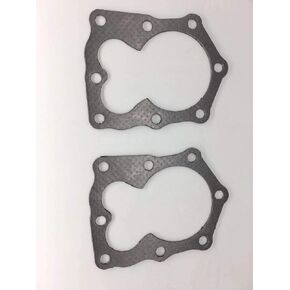 حشية رأس الأسطوانة البديلة 692249 تناسب الموديلات 272916 و692249 (عبوتان)
SAR 48
حشية رأس الأسطوانة البديلة 692249 تناسب الموديلات 272916 و692249 (عبوتان)
SAR 48
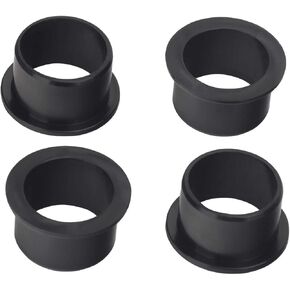 استبدال جلبة ذراع البكرة الوسيطة M111358 يناسب جون ديري 355 345 GT242 GT262 GS25 GX255 GX355 LX178 LX188 LX280 جزازة الركوب وجرار العشب (مجموعة من 4)
SAR 62
استبدال جلبة ذراع البكرة الوسيطة M111358 يناسب جون ديري 355 345 GT242 GT262 GS25 GX255 GX355 LX178 LX188 LX280 جزازة الركوب وجرار العشب (مجموعة من 4)
SAR 62
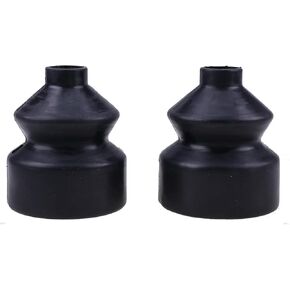 زوج حذاء تبديل التروس البديل 1678565M1 يناسب جرارات Massey Ferguson MF 135 165 175 185 240 245 250 253 (مجموعة من 2)
SAR 72
زوج حذاء تبديل التروس البديل 1678565M1 يناسب جرارات Massey Ferguson MF 135 165 175 185 240 245 250 253 (مجموعة من 2)
SAR 72

 العربية السعودية