- Shopping, made easy.
- /
- Get the app!
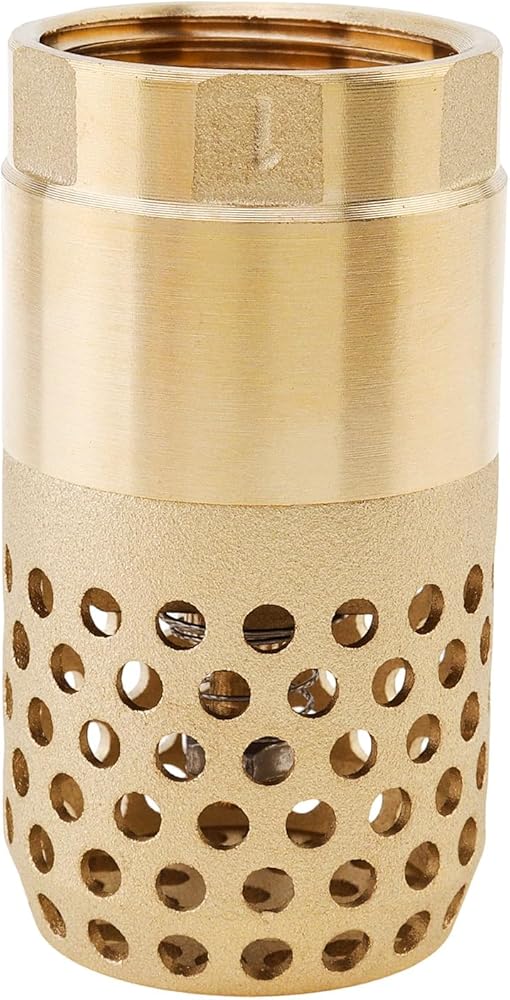
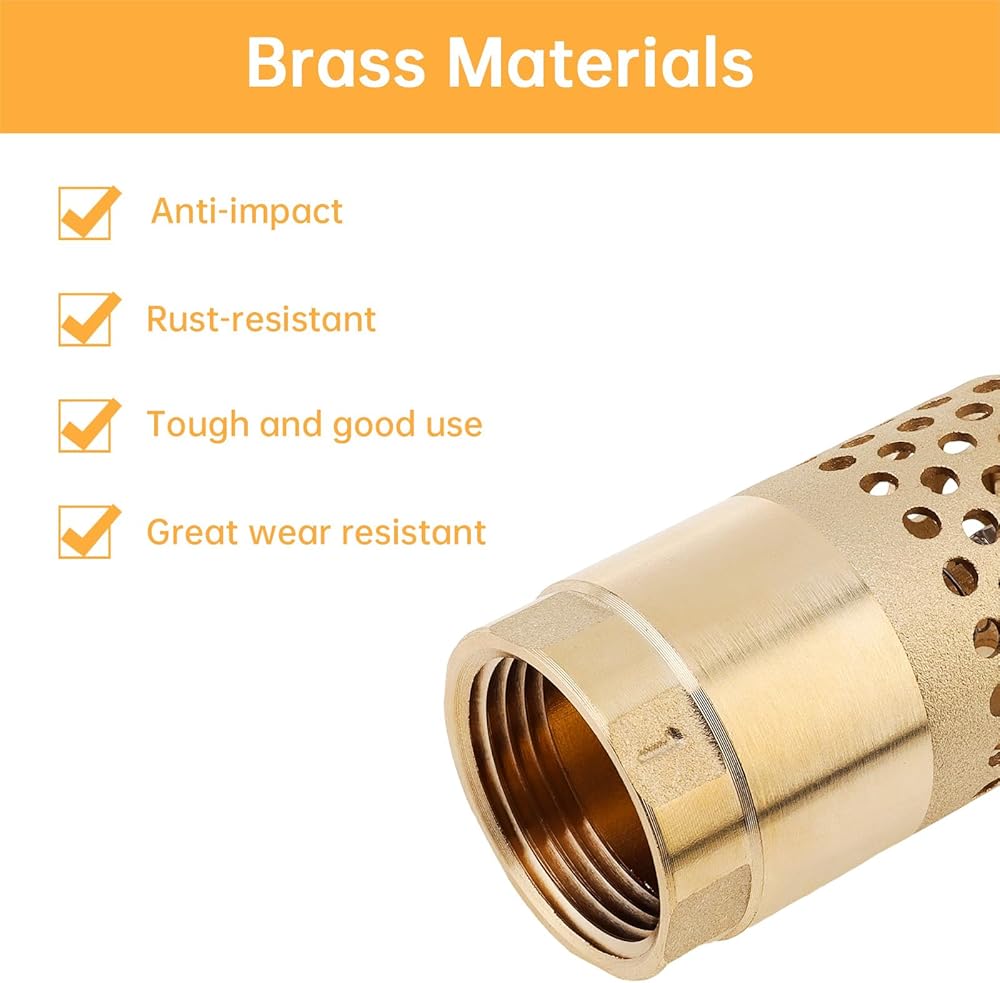
Material: Brass
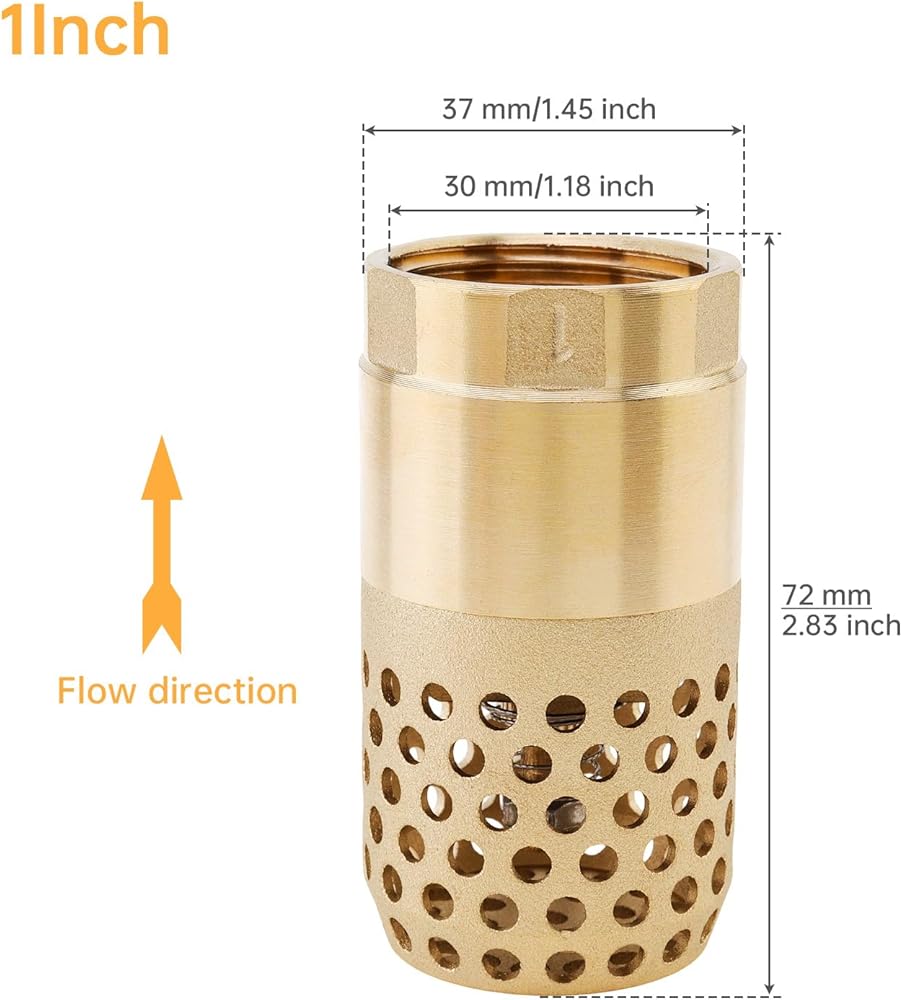
Install Type: Thread Female
working Pressure is 16bar (232 psi) ,
working temperature from -10 ℃ to +120 ℃ (from 14℉ to 248℉)
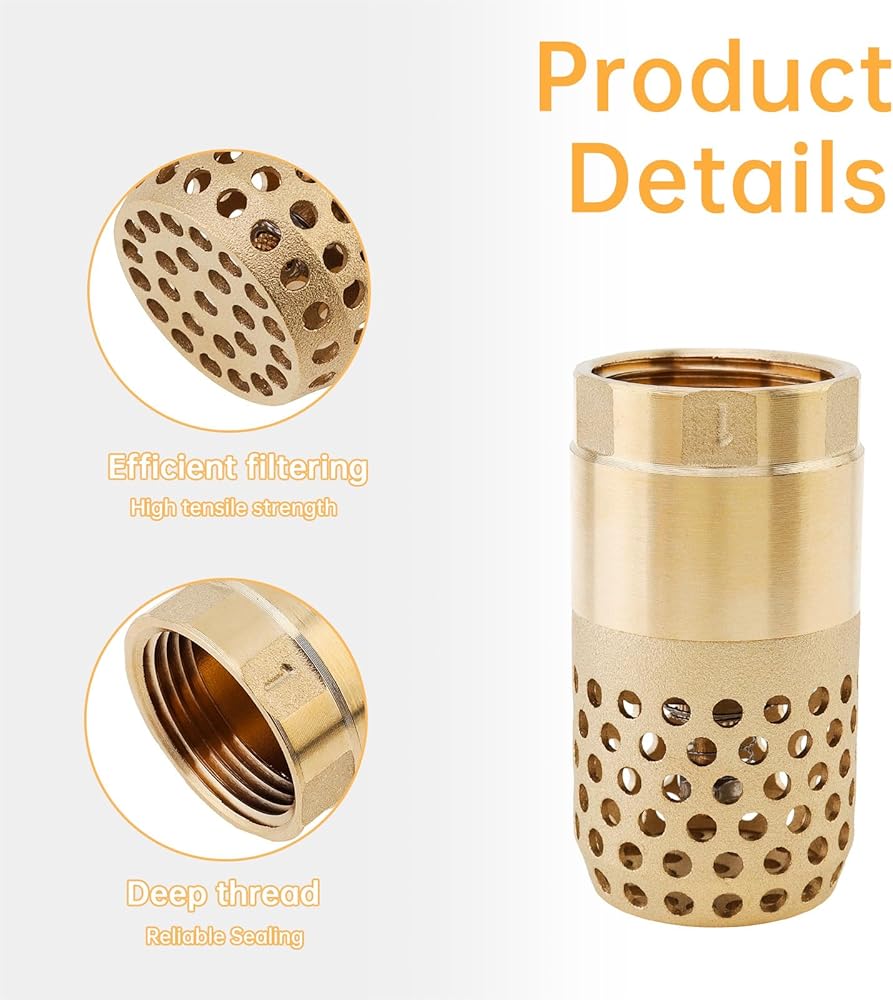
Threaded Foot Valve; Features multiple small round filter holes to block large impurities, ensuring smooth water flow.
The sleek round hole design combines aesthetics with practicality, while the hexagonal edge allows for easy installation and removal
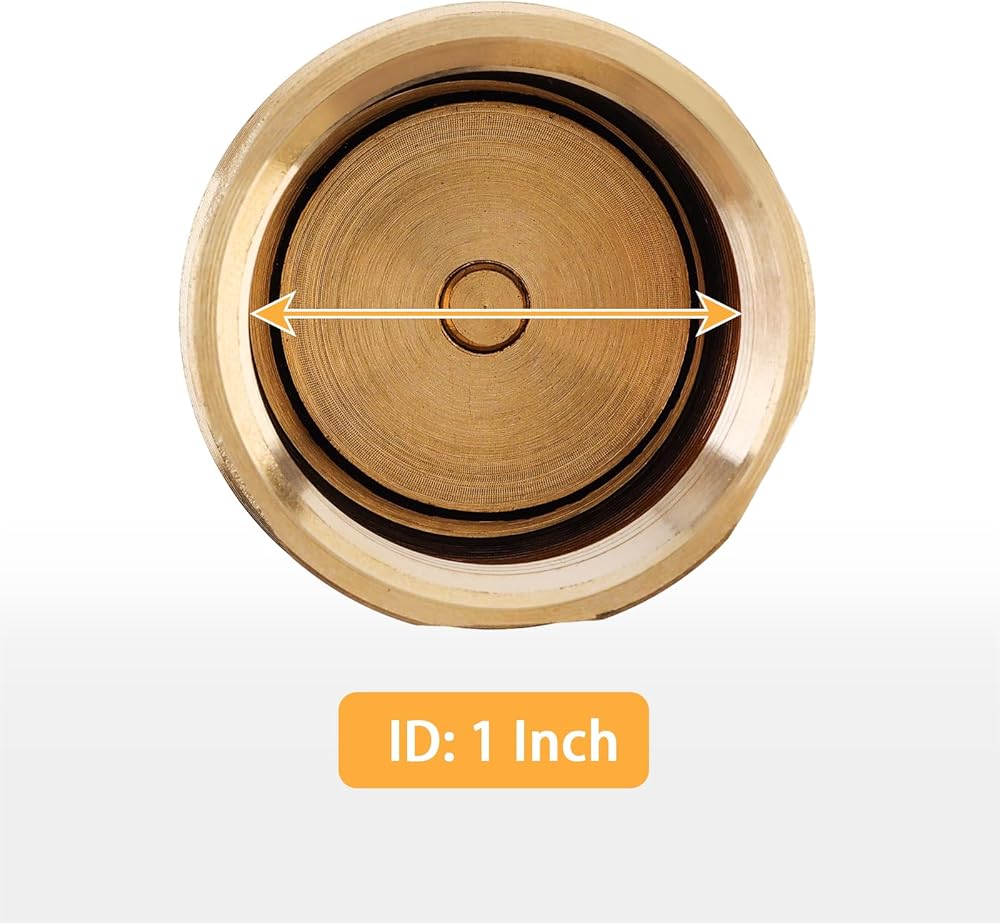
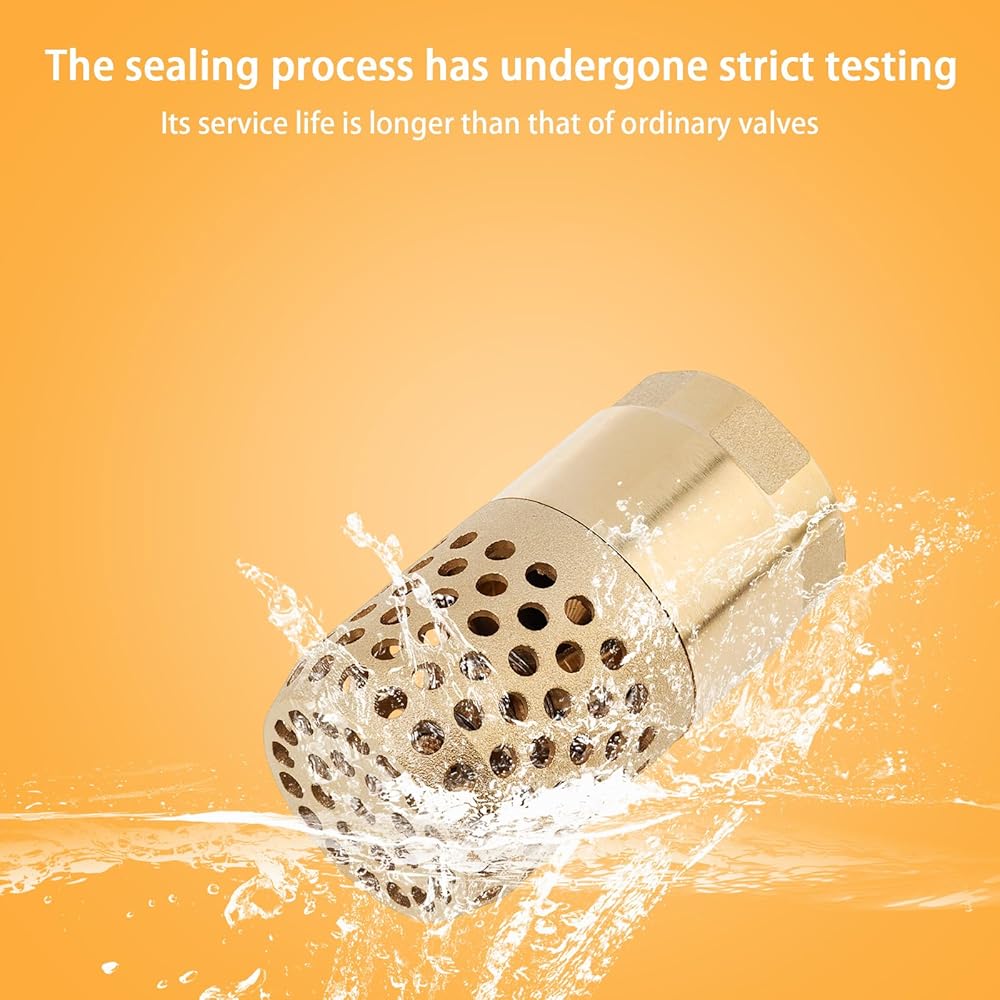
The check valve body is crafted from brass, paired with a corrosion resistant stainless steel spring and leak proof gasket. Offers stable performance, long service life, and reliable sealing
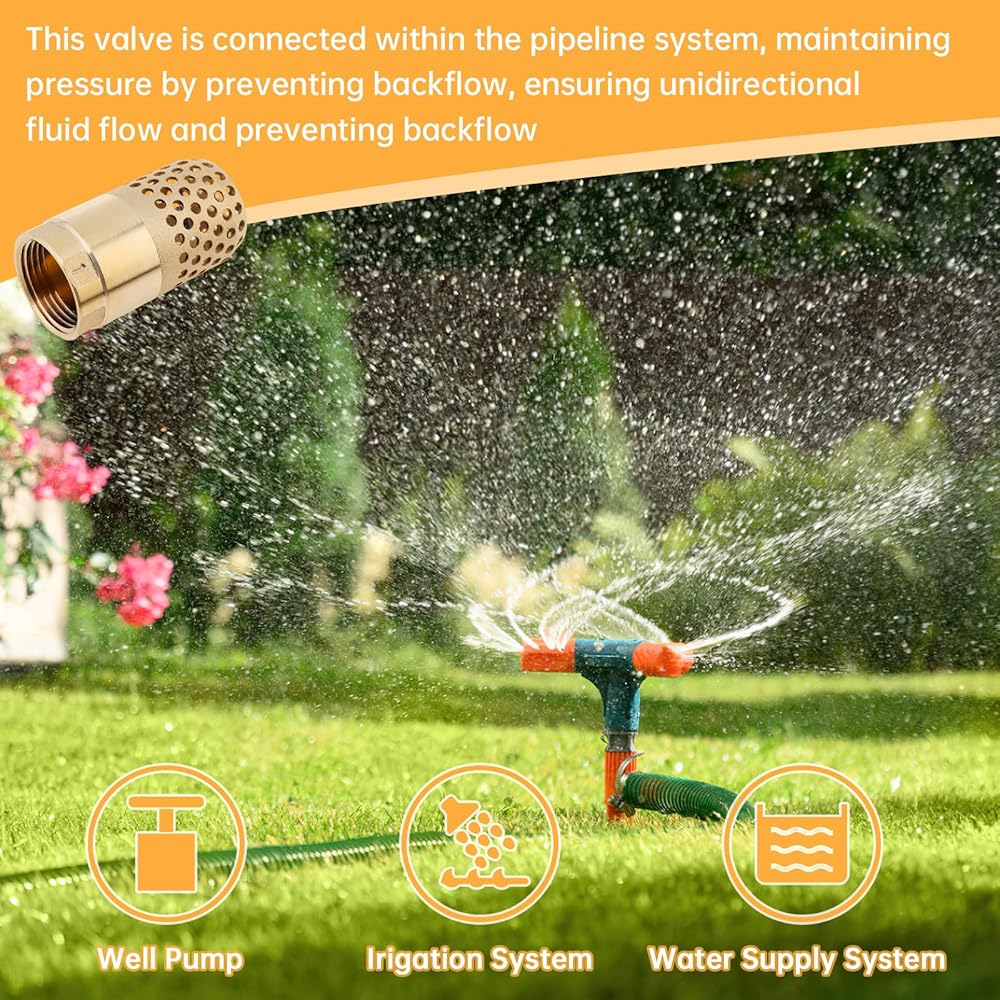
This water foot valve effectively stops water from flowing backward in pipes. Equipped with two ports (inlet and outlet) for seamless integration into your system
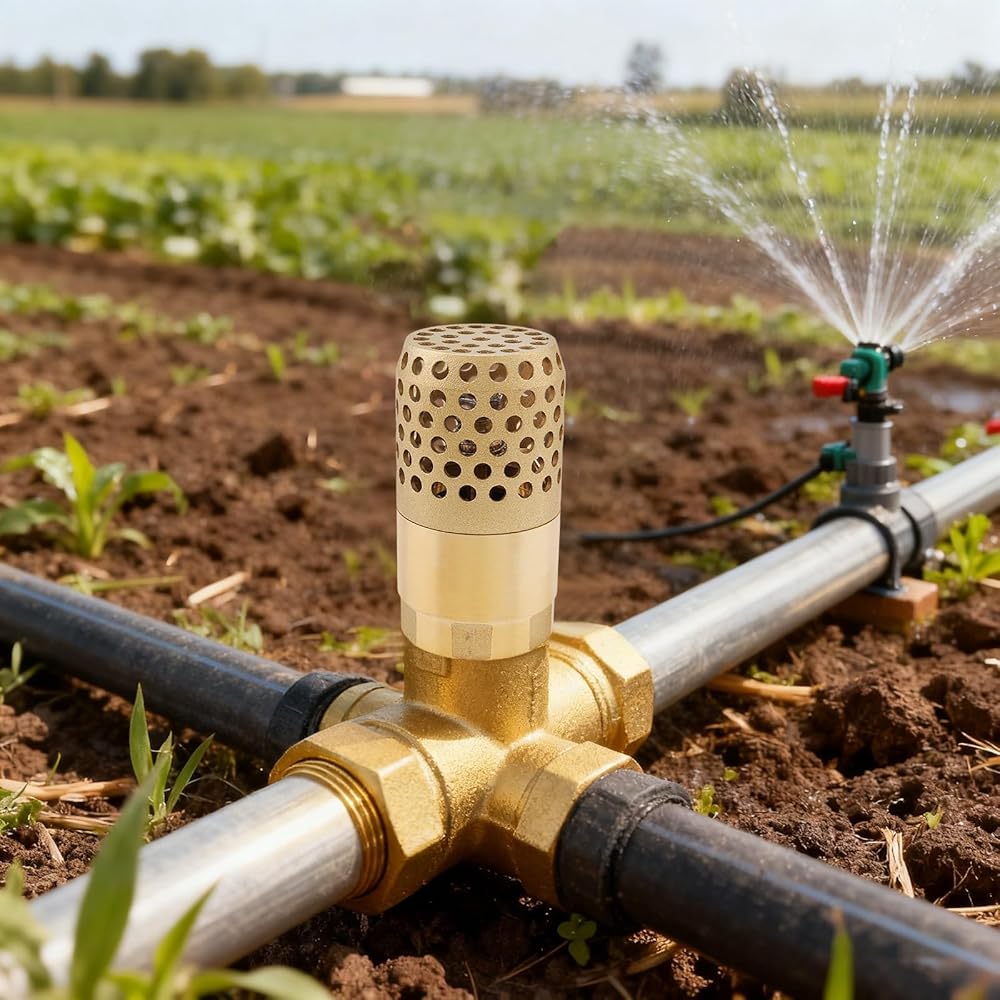
Check Valve for avoid backflow in various plumbing, irrigation, or water system setups. Ensures system efficiency and protects equipment from damage caused by reverse flow
 Wire Rope 3/32" 98ft Stainless Steel Wire Black Vinyl Coated Cable 304 Stainless Steel Cable for String Lights Hanging,Outdoor Line,Clotheslines
SAR 84
Wire Rope 3/32" 98ft Stainless Steel Wire Black Vinyl Coated Cable 304 Stainless Steel Cable for String Lights Hanging,Outdoor Line,Clotheslines
SAR 84
 1/2" Brass Foot Valve, DN15 Check Valve Water Pump Bottom Valve with Filter One Way No Return Valve
SAR 42
1/2" Brass Foot Valve, DN15 Check Valve Water Pump Bottom Valve with Filter One Way No Return Valve
SAR 42
 3/16" Wire Rope Accessory Set, PNXKTXO 6pcs M5 Cable Clip Clamp, 6pcs Stainless Steel Thimbles, 6pcs Aluminum Crimping Loop Sleeve
SAR 53
3/16" Wire Rope Accessory Set, PNXKTXO 6pcs M5 Cable Clip Clamp, 6pcs Stainless Steel Thimbles, 6pcs Aluminum Crimping Loop Sleeve
SAR 53
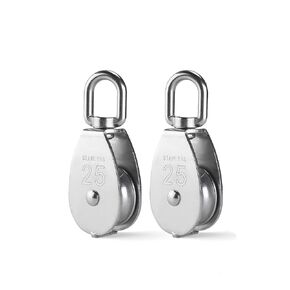 2Pcs M25 Single Pulley Block 304 Stainless Steel Swivel Cable Pulleys for Lifting/Hanging, Heavy Duty Rope Single Wheel Kit, Max-Load 150kg/330lbs
SAR 53
2Pcs M25 Single Pulley Block 304 Stainless Steel Swivel Cable Pulleys for Lifting/Hanging, Heavy Duty Rope Single Wheel Kit, Max-Load 150kg/330lbs
SAR 53

 Saudi Arabia