- Shopping, made easy.
- /
- Get the app!
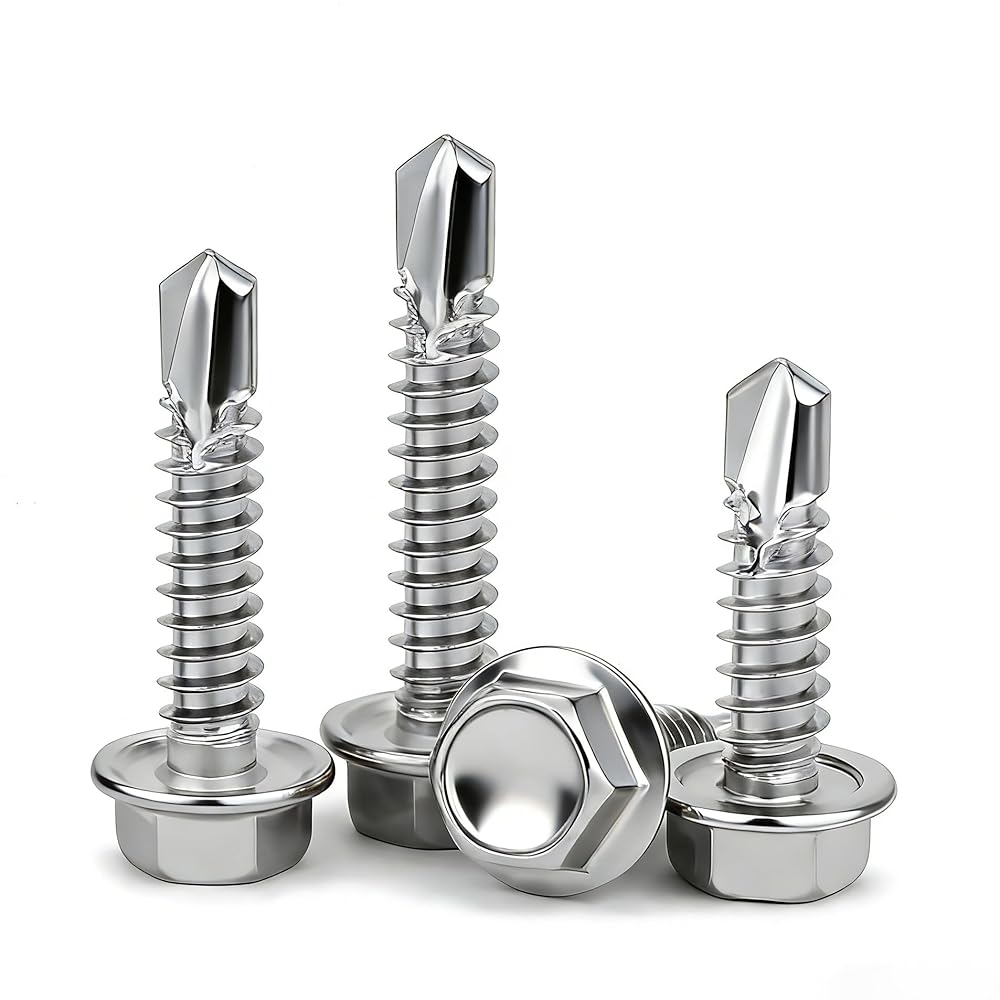
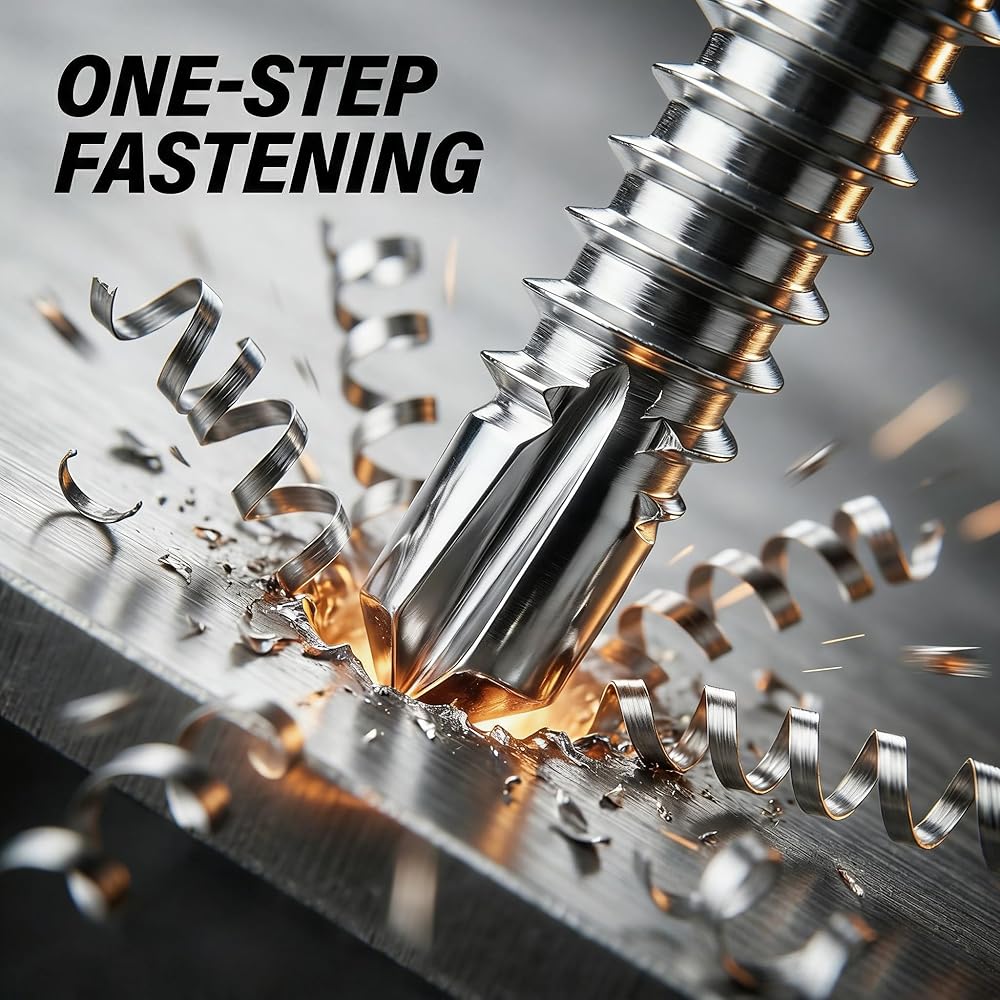
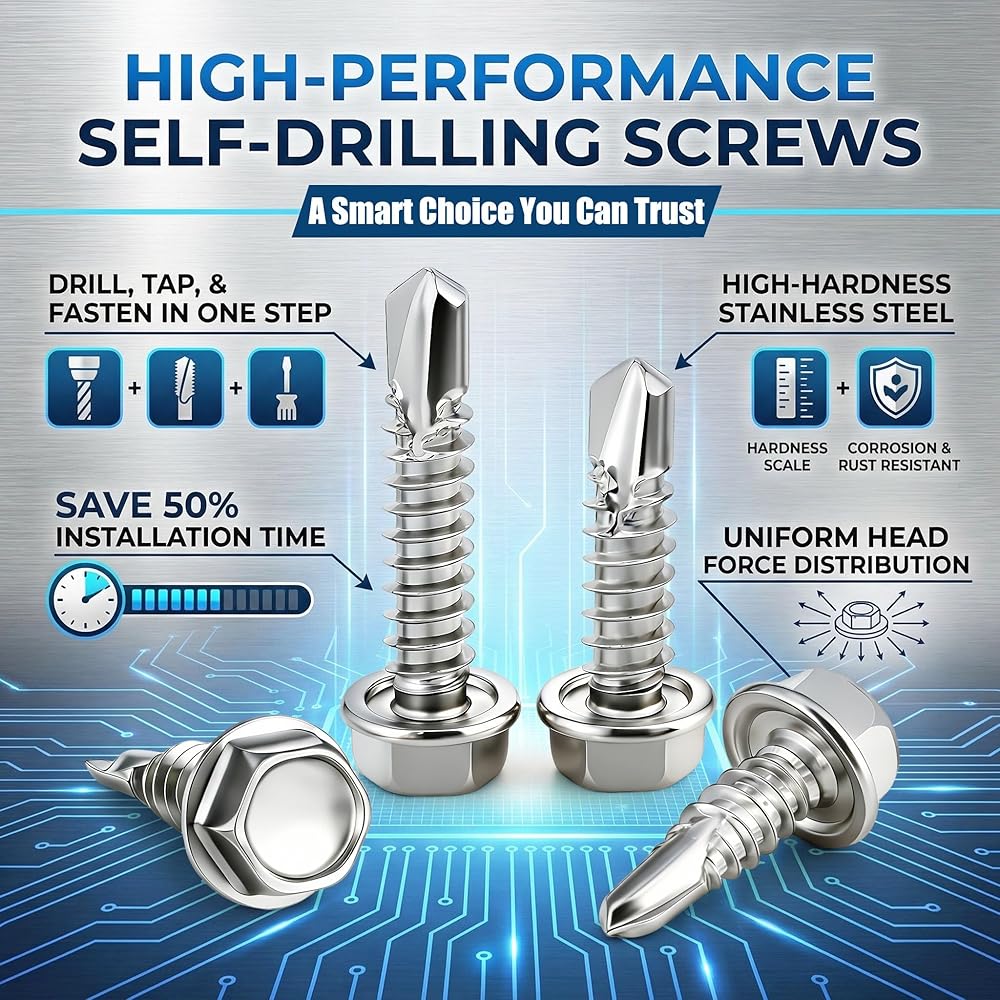
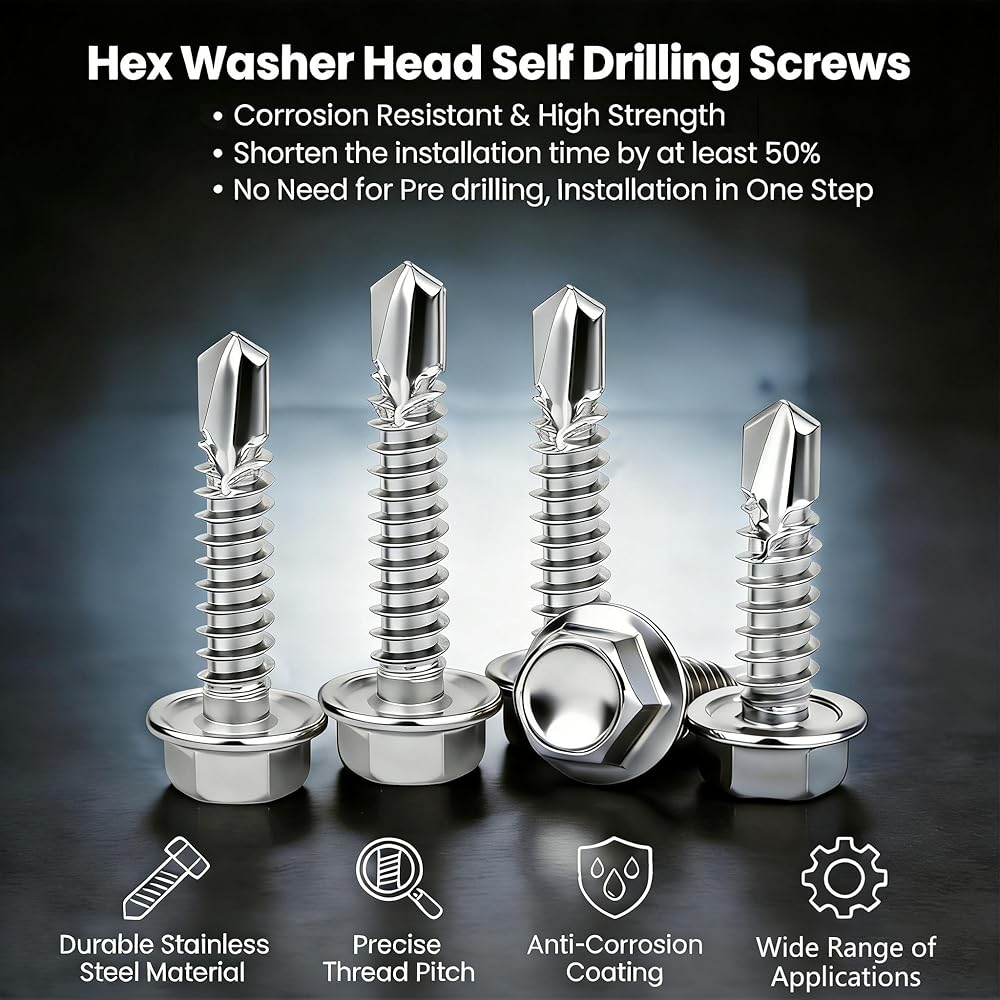
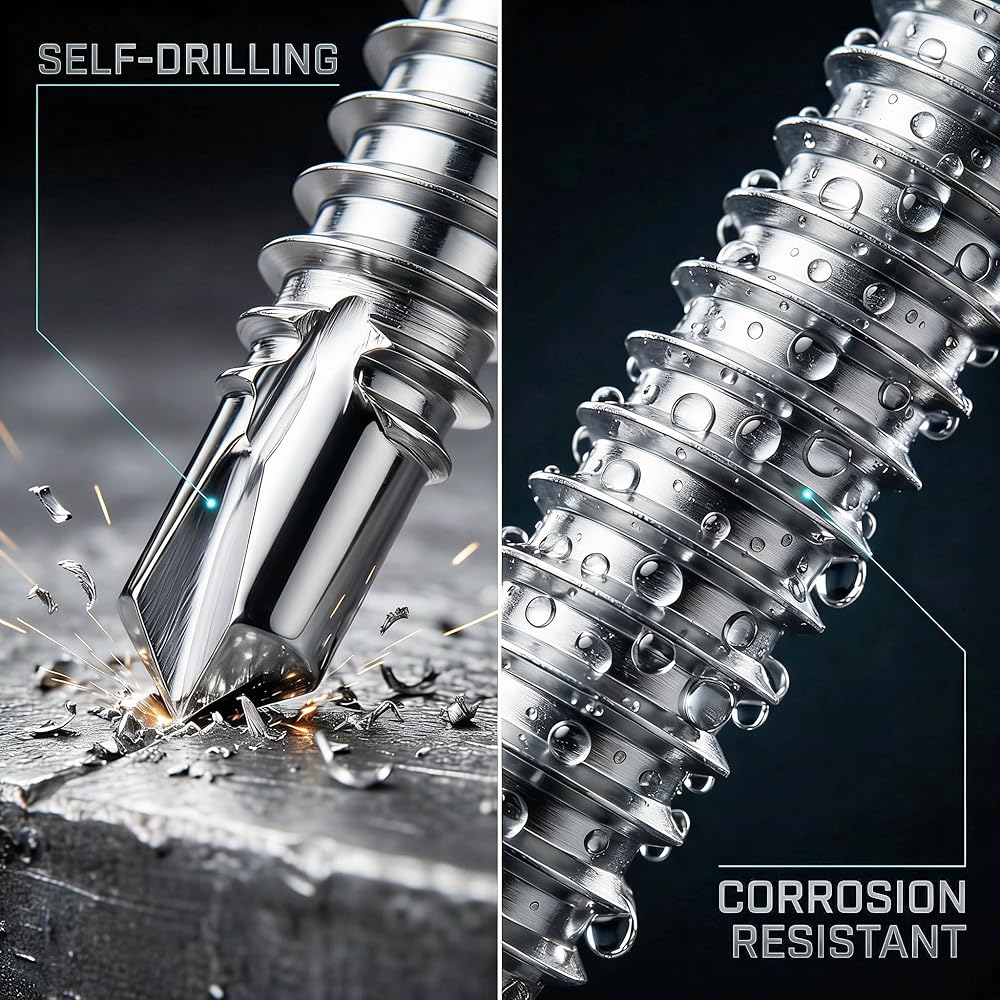
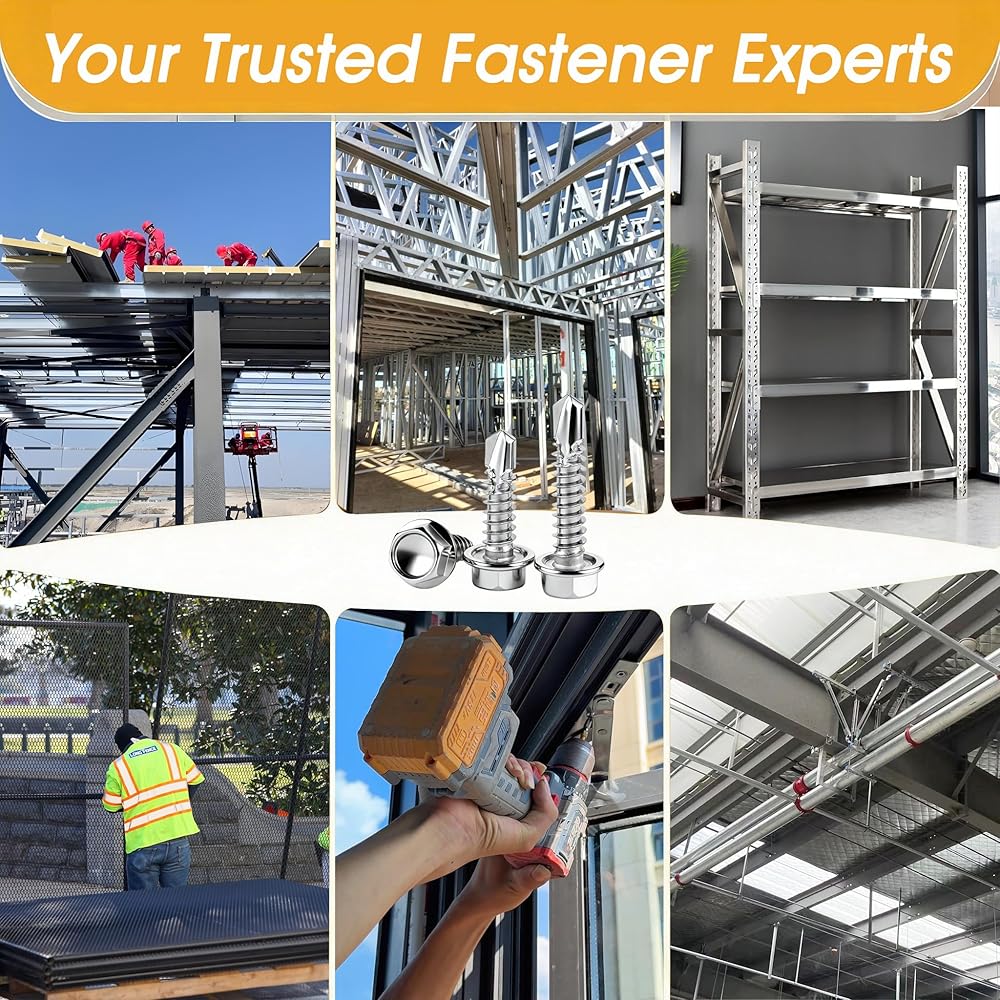
Hex washer head metal self tapping screws is an efficient fastener that integrates drilling, tapping, and fastening functions. Self tapping screws drillingis a commonly used and important fastener in fields such as construction, decoration, and metal processing. Self tapping metal screws do not require pre drilling or tapping, and can be directly screwed into the fastened body through electric tools to achieve fast and secure connections, greatly improving work efficiency
Main features and advantages
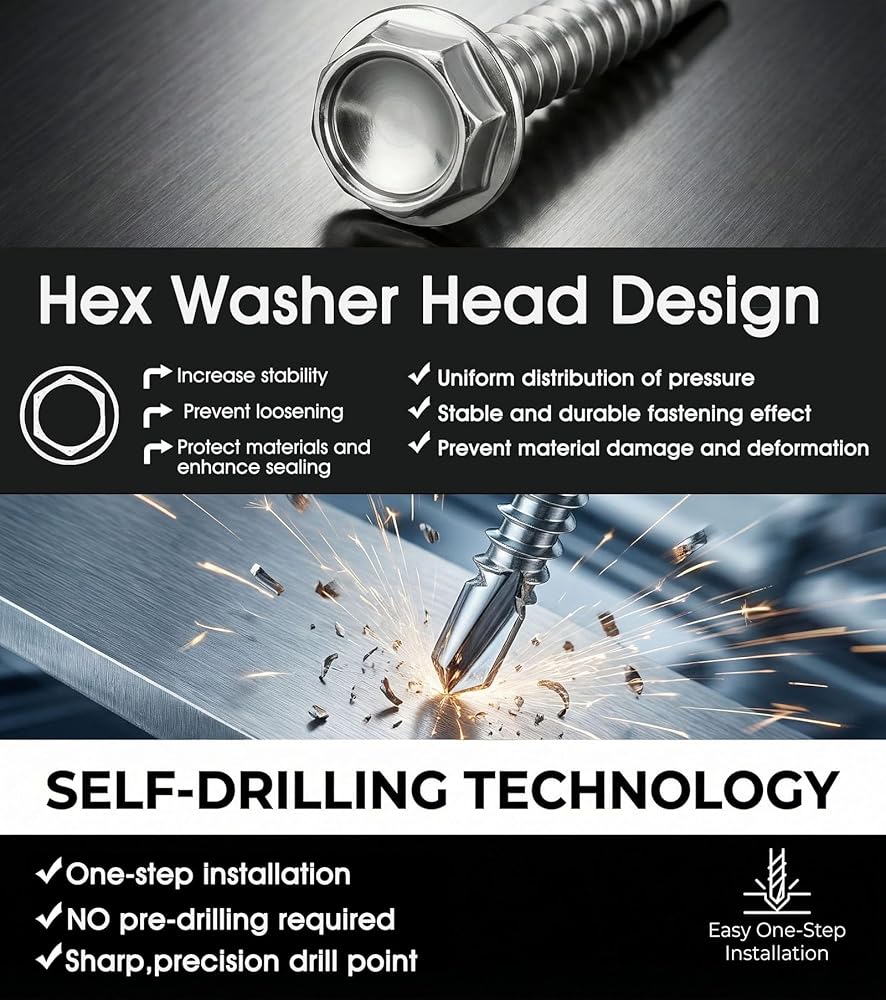
1. Efficient and time-saving: The advantage of self tapping metal screws is that they do not require pre drilling and tapping, and can complete the three processes of drilling, tapping, and locking in one step, greatly improving work efficiency.
2. High tightening force: The hex washer head design allows it to withstand very high tightening torque, making the fastening very firm.
3. Easy to use: Hex head sheet metal screws can be easily operated by using electric tools (such as drills, impact screwdrivers) and corresponding hexagonal sockets.
4. Strong applicability: Hex head sheet metal screws are particularly suitable for fixing thinner metal sheets (such as steel plates, aluminum plates, color steel plates, etc.) to metal skeletons or wooden structures.
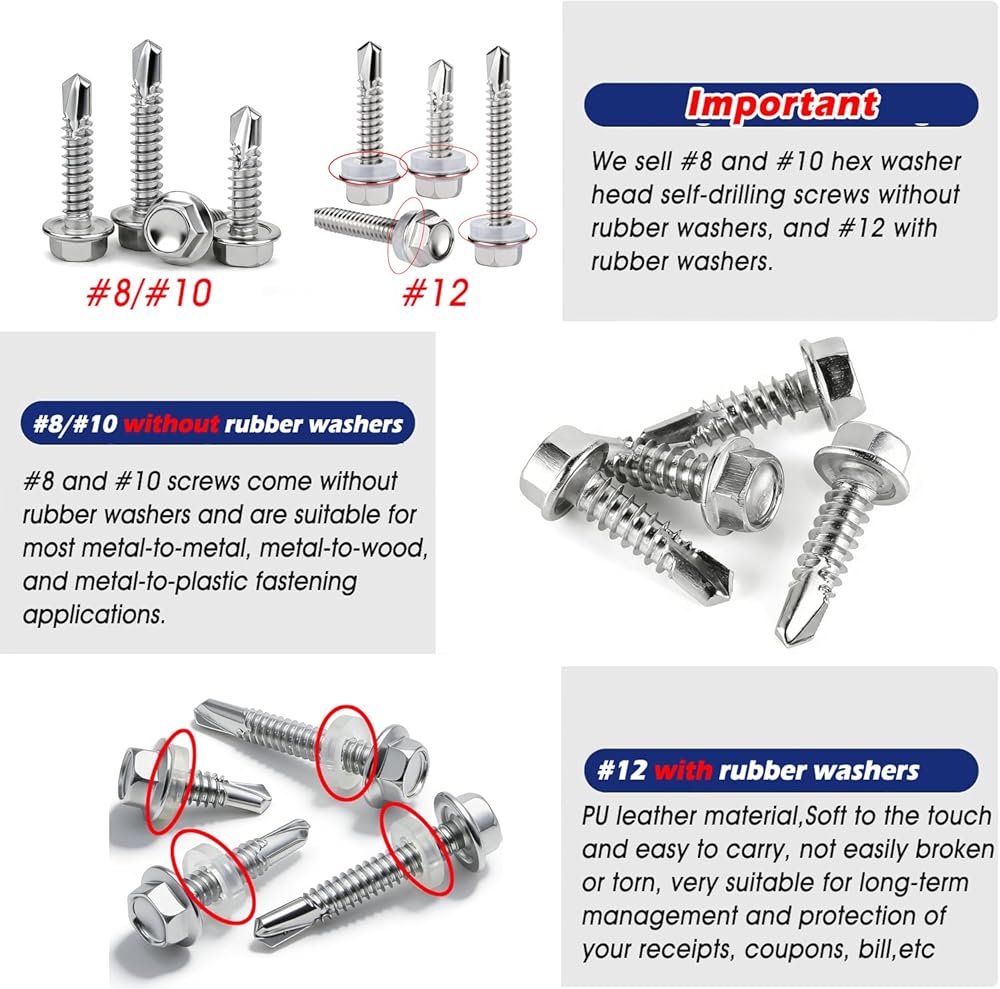
5. This stainless steel metal self tapping metal screws has a washer that is integrated with the screw head. The washer can disperse the pressure of the screw head on the surface of the workpiece, prevent indentation, and is particularly suitable for soft materials such as wood and color steel plates.
Q: What is the main advantage of a hex washer head self-tapping screw?
A: This stainless steeel metal self drilling screw integrated washer distributes pressure evenly, protecting thin materials from damage and improving sealing and vibration resistance. The hex head allows for high-torque installation with tools, making the process faster and more secure
Q: Can these metal self-tapping screws be used in concrete, brick, or wood?
A: No. These 410 stainless steel self-drilling screws are specifically designed for thin-gauge metals, such as metal roofing, aluminum profiles, and steel sheets. They are not capable of drilling into concrete, brick, stone, solid cement, or thick wood.
Q: Why are hex washer head self-drilling screws not suitable for wood?
A: While you can drive them into wood, they are not a good substitute for wood screws.
Disadvantages: They lack coarse threads, resulting in poor holding power. The fine, closely spaced threads can easily pull out or become loose in wood. Plus, the sharp, hard drill point can split the wood—especially thin or soft woods.
Acceptable uses:Temporary fastening,Thin plywood + no load-bearing application,Fastening wood to metal (this is their intended primary use)
Q: Can self-drilling screws be used in plastic?
A: Yes, but they often crack the plastic or strip out the threads.
Disadvantages: This metal self drilling screw drill point is very hard and sharp, easily cracking plastic under pressure. The fine threads don't grip well in plastic and tend to loosen.
Acceptable uses:Thick, hard plastic,Fastening plastic to metal
Q: How do you choose the right screw for a job?
A: While 410 stainless steel metal self drilling screw self-drilling screws can be driven into wood or plastic, they are not the ideal choice for those materials and often perform poorly or cause damage.
Think of them as metal-specific screws.Self drilling screws well-suited for connecting and fastening materials like sheet metal, light-gauge steel, metal roofing, solar panel mounts, and sheet metal to wood or plastic.For best results, use them in applications where at least one of the materials is metal.
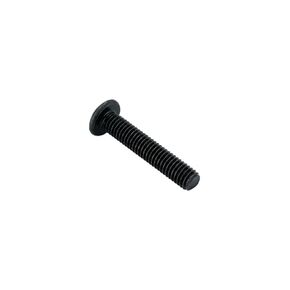 Threaded Allen Drive Steel Black Oxide Finish #10-32 Bolts (Button Head, 1.75" Length, 50 Pack)
SAR 85
Threaded Allen Drive Steel Black Oxide Finish #10-32 Bolts (Button Head, 1.75" Length, 50 Pack)
SAR 85
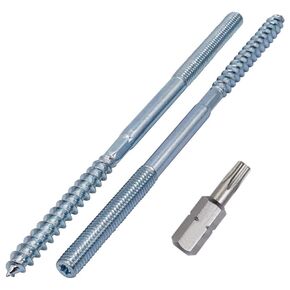 (Pack of 10) Hanger Bolts 5/16" x 9-27/32" (M8 x 250 mm), Double Ended Threaded Screws
SAR 102
(Pack of 10) Hanger Bolts 5/16" x 9-27/32" (M8 x 250 mm), Double Ended Threaded Screws
SAR 102
 Generic 24 OEM Factory Mag Lug Nuts 12x1.5 Fits Toyota Tacoma TRD Off-Road SR5 4Runner 1.87""
SAR 202
Generic 24 OEM Factory Mag Lug Nuts 12x1.5 Fits Toyota Tacoma TRD Off-Road SR5 4Runner 1.87""
SAR 202
 20 Spline 7/16-20 Extended Thread Lug Nuts Fits Chevy Corvette Camaro Chevelle SS
SAR 144
20 Spline 7/16-20 Extended Thread Lug Nuts Fits Chevy Corvette Camaro Chevelle SS
SAR 144