- Shopping, made easy.
- /
- Get the app!
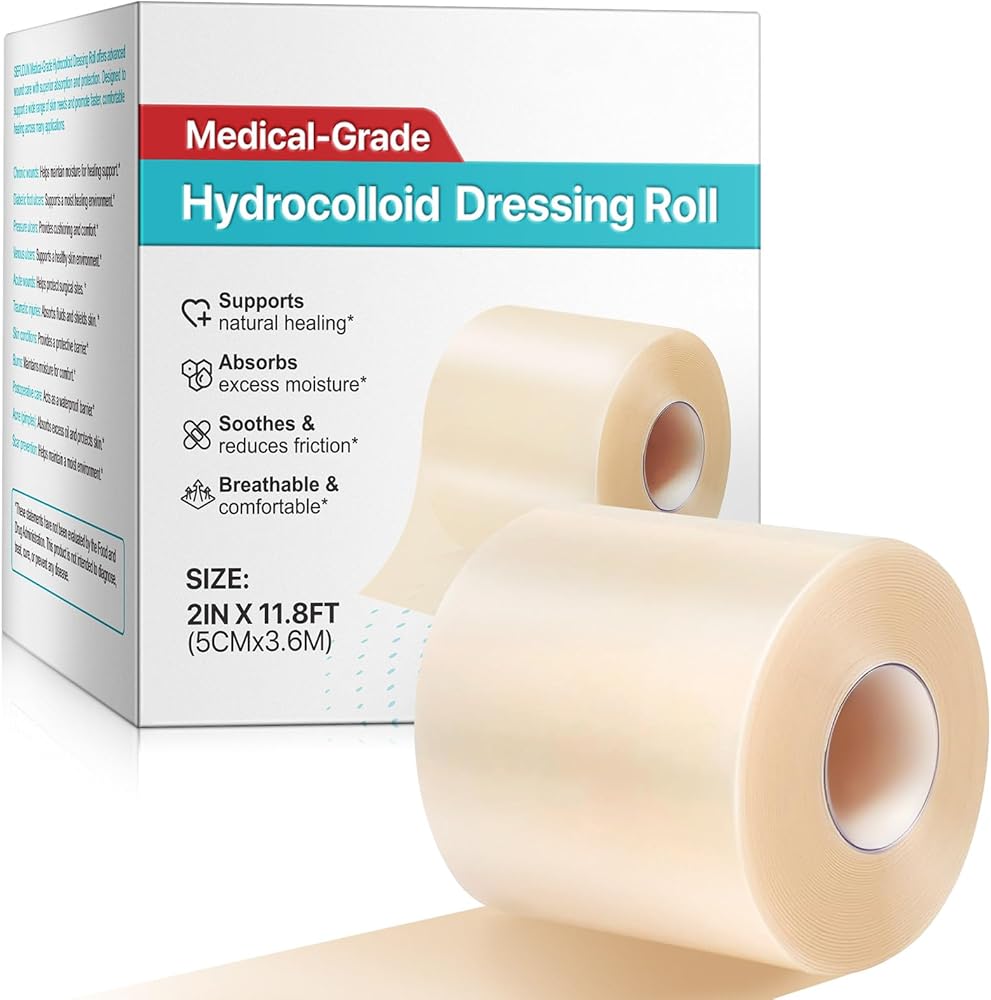
A hydrocolloid roll for wound care is a versatile dressing used to manage various types of wounds, particularly those with light to moderate exudate (fluid discharge). Here's a detailed overview:
What is a Hydrocolloid Roll?
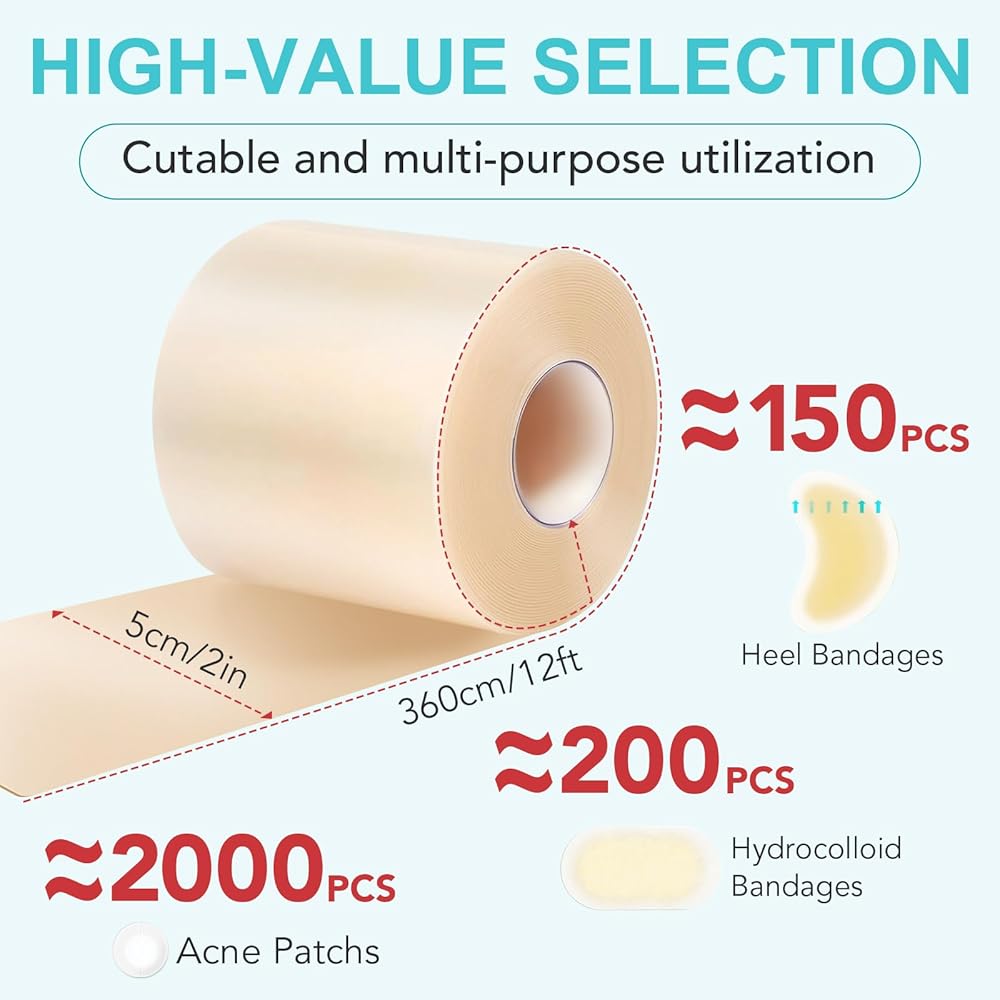
A flexible, adhesive sheet made of hydrocolloid material on a waterproof backing.
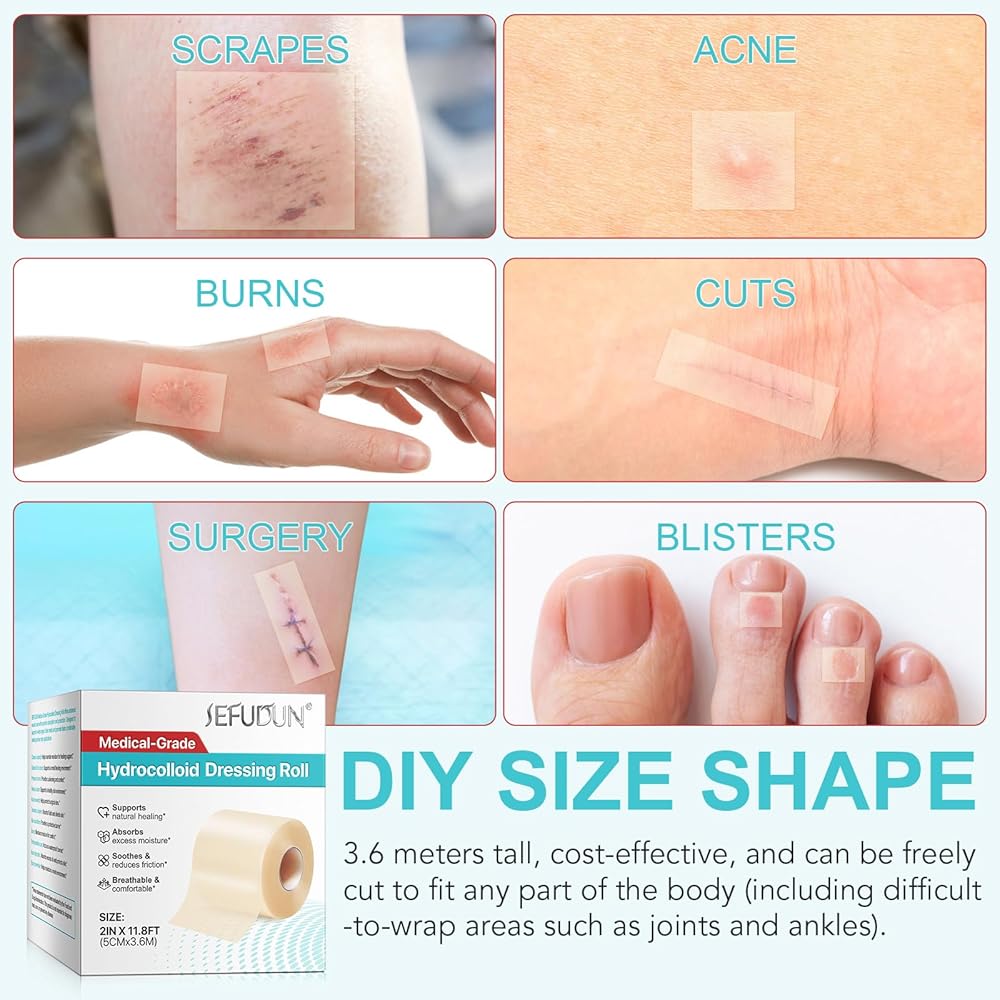
Designed to be cut to size, making it ideal for irregular or large wounds.
Available in rolls for customizable application.
Key Features & Benefits:
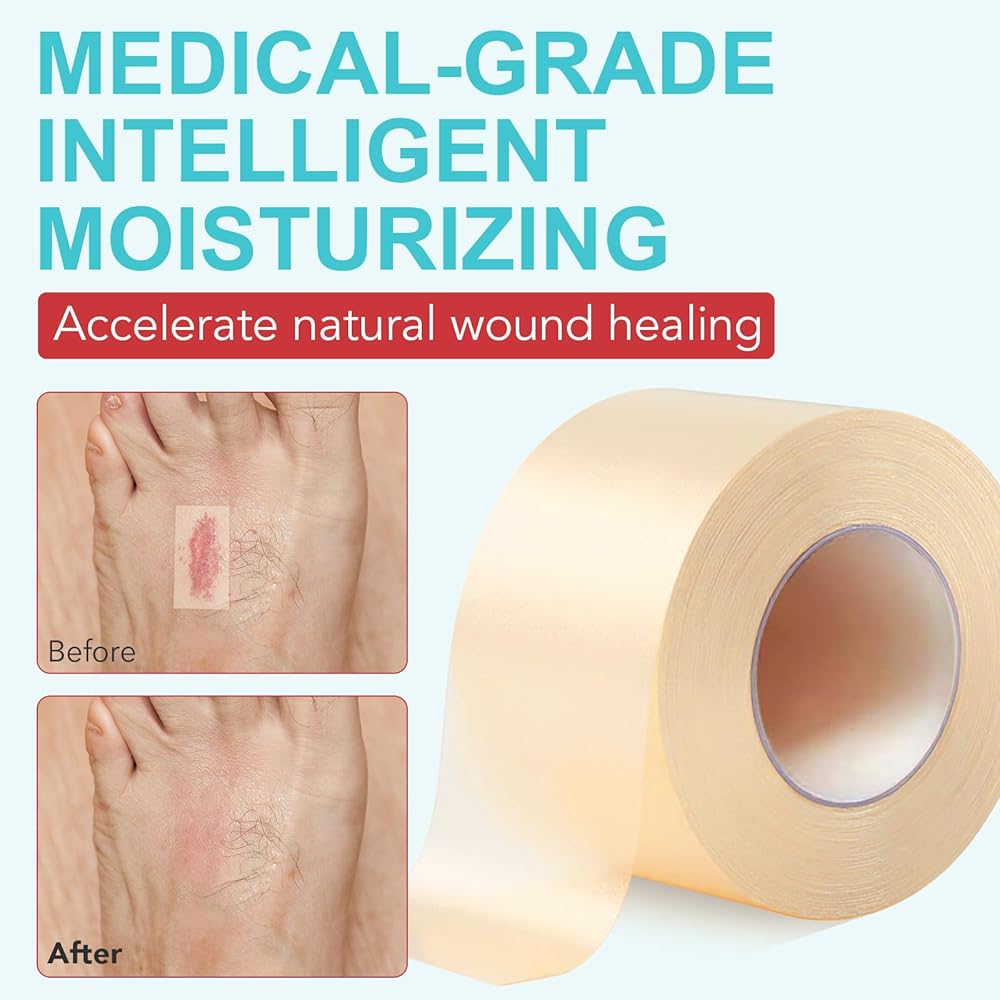
1. Moist Wound Healing
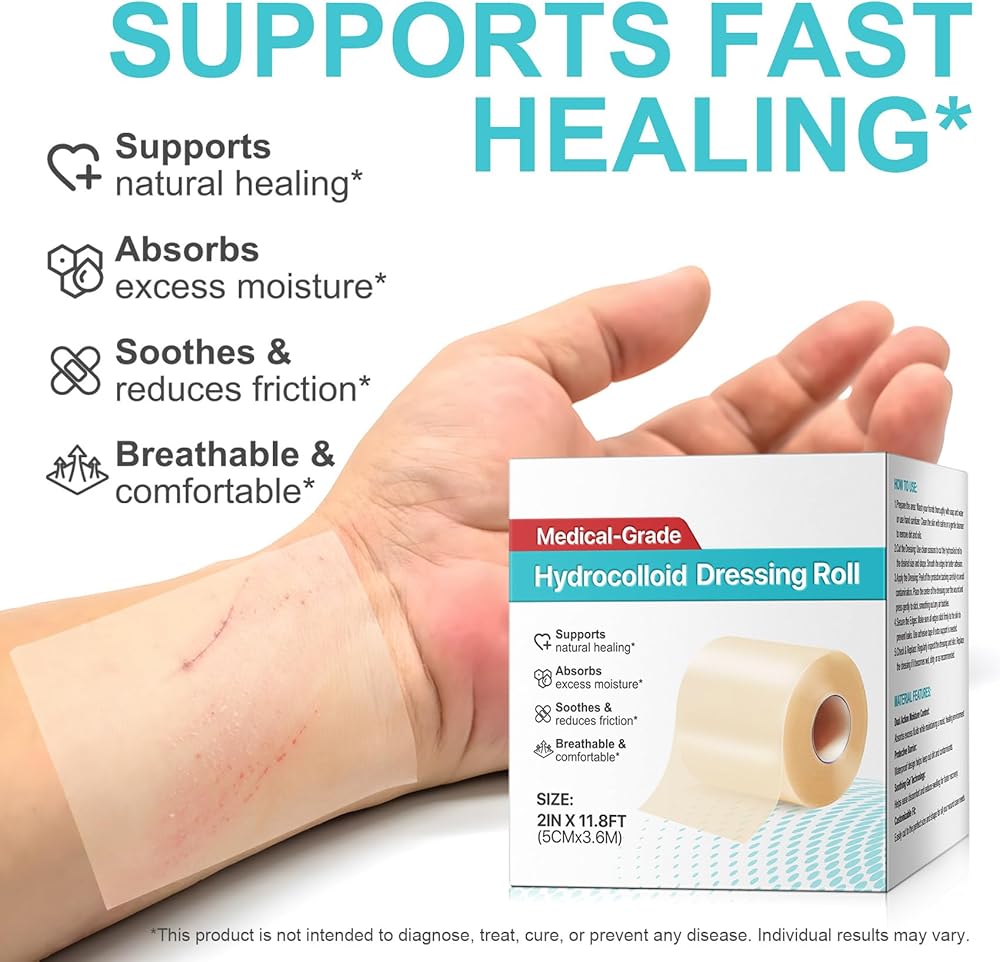
Creates a moist environment that promotes faster healing and reduces scab formation.
2. Autolytic Debridement
Helps break down dead tissue naturally.
3. Exudate Absorption
Absorbs light to moderate fluid while maintaining a balanced moisture level.
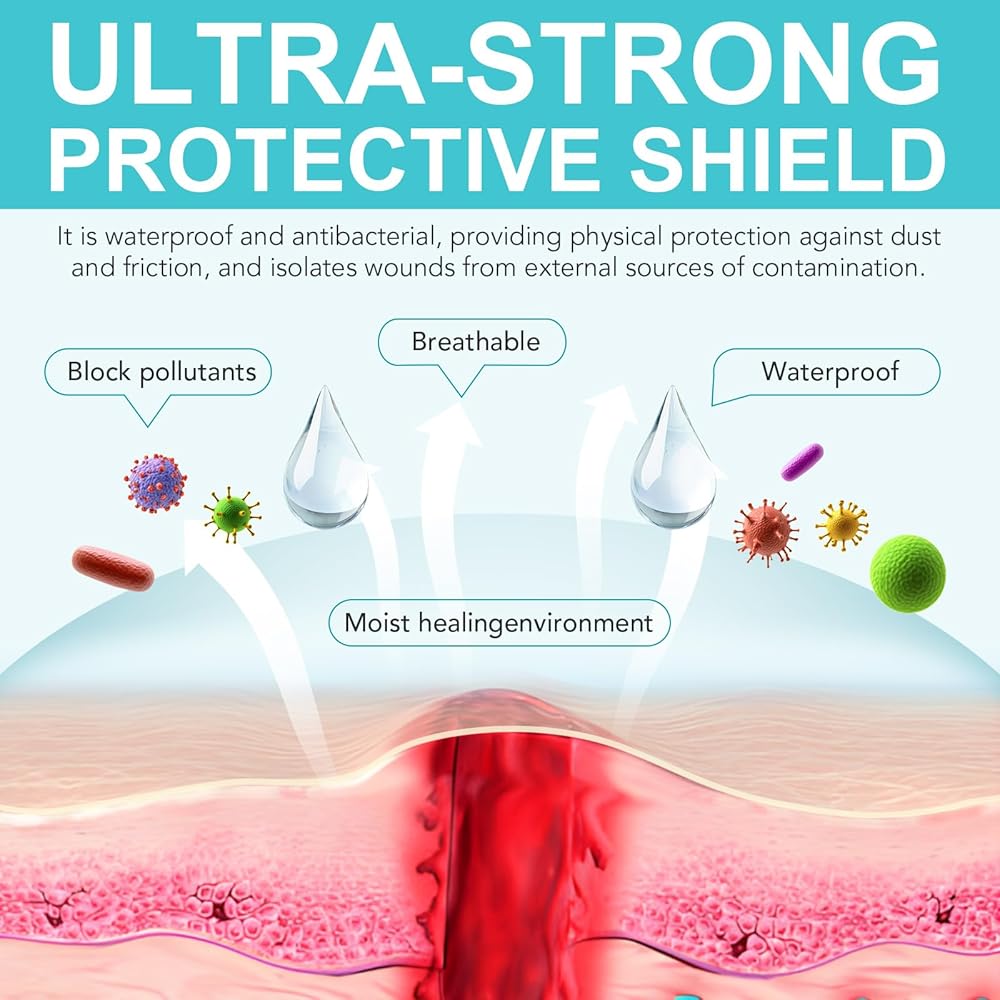
4. Waterproof & Bacteria-Blocking
Protects wounds from water, dirt, and bacteria.
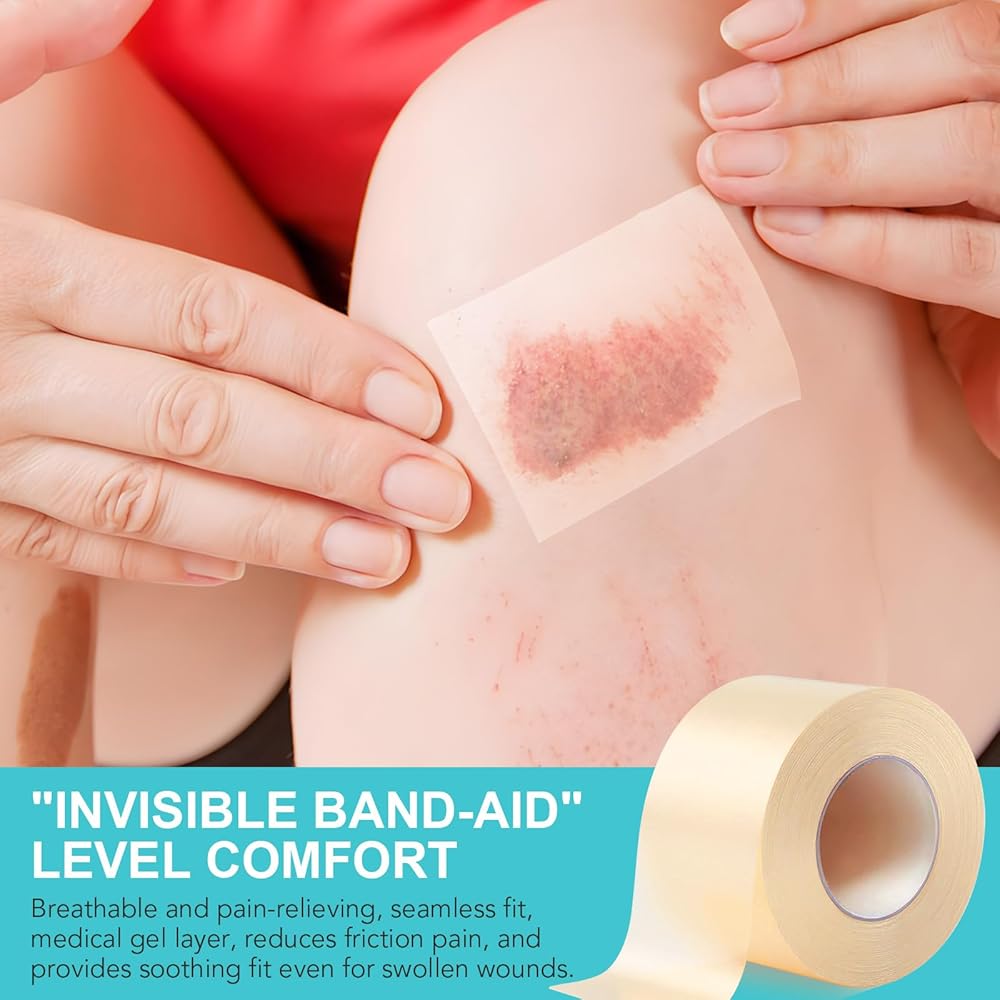
5. Conformable & Comfortable
Adheres well to contours (e.g., elbows, heels) and moves with the skin.
6. Pain Reduction
Cushions the wound, reducing friction and discomfort.
Common Uses:
Pressure ulcers
Partial-thickness burns
Abrasions, cuts, and surgical wounds
Skin tears or blisters
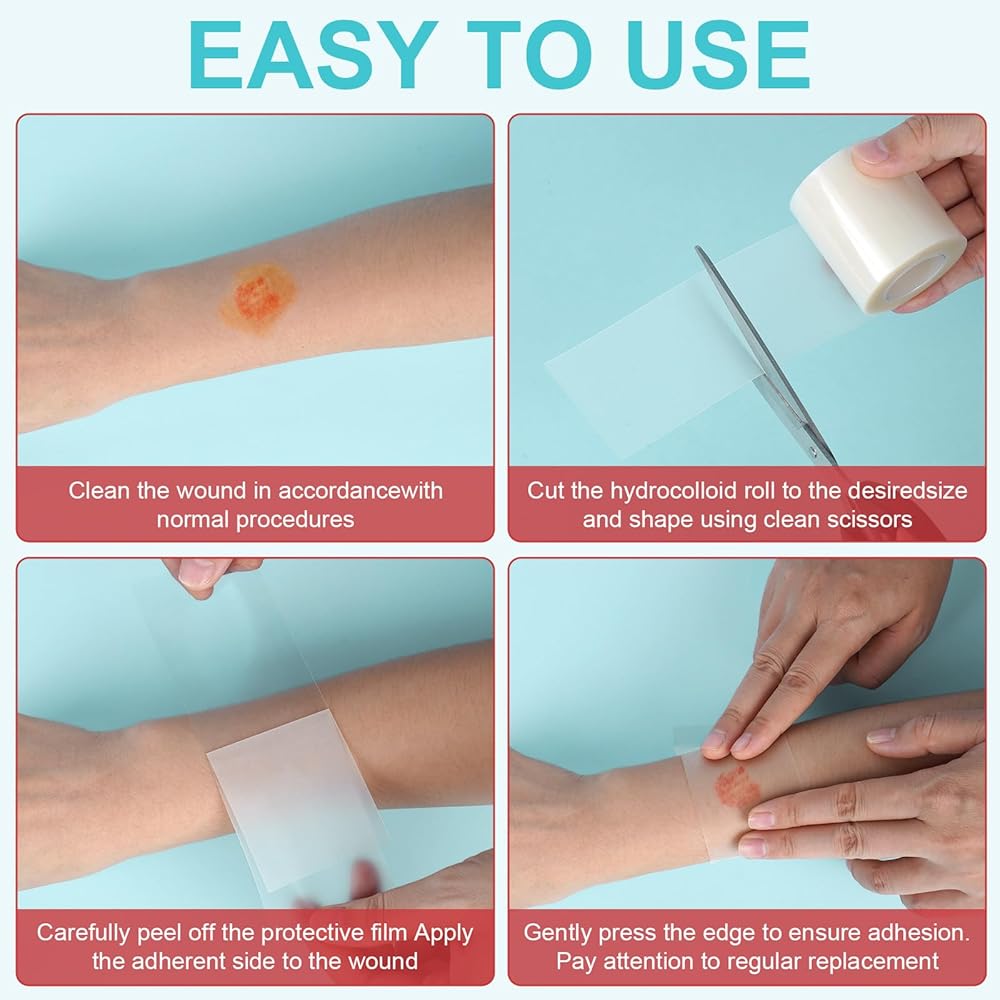
How to Apply:
1. Clean and dry the wound area.
2. Cut the hydrocolloid roll to a size slightly larger than the wound.
3. Peel off the backing and apply smoothly, avoiding wrinkles.
4. Press edges firmly to ensure adhesion.
5. Change every 3–7 days or when the dressing becomes opaque/loosens.
Precautions:
Not for infected wounds or heavy exudate (use alginate or foam dressings instead).
Avoid on deep wounds or third-degree burns.
Discontinue if signs of irritation or allergy occur.
Conclusion
Hydrocolloid rolls are an excellent choice for managing chronic and acute wounds by maintaining a moist healing environment while protecting the area. Always consult a healthcare provider for wound assessment and dressing selection.
![JJ CARE Adhesive Island Dressing [Pack of 50], 4x4 Sterile Bordered Gauze Dressing, Breathable, Individually Wrapped Island Wound Bandages with Highly Absorbent Non-Stick Center Pad in Saudi Arabia](https://cdn1.tilga.com/md/prod/1/1435/3/38010686.49460.jpg) JJ CARE Adhesive Island Dressing [Pack of 50], 4x4 Sterile Bordered Gauze Dressing, Breathable, Individually Wrapped Island Wound Bandages with Highly Absorbent Non-Stick Center Pad
SAR 68
JJ CARE Adhesive Island Dressing [Pack of 50], 4x4 Sterile Bordered Gauze Dressing, Breathable, Individually Wrapped Island Wound Bandages with Highly Absorbent Non-Stick Center Pad
SAR 68
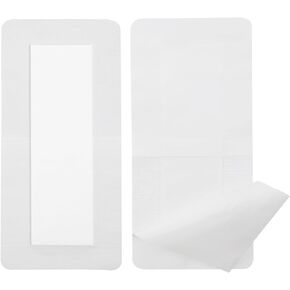 Waterproof Incision Bandages for Knee Replacement Knee Surgery Recovery Shower Cover Large Wound Shower Protector Adheisve Island Dressing Bandaid 4 x 6 Inch (Pack of 14)
SAR 63
Waterproof Incision Bandages for Knee Replacement Knee Surgery Recovery Shower Cover Large Wound Shower Protector Adheisve Island Dressing Bandaid 4 x 6 Inch (Pack of 14)
SAR 63
 100 Pcs Dental Cotton Rolls - Nose Bleed Stopper - Nose Bleed Stopper Plugs for Kids or Adults - Extra Absorbent Nose Bleed Plugs - Non Sterile 1.5 Inch Nose Bleed Stopper Plugs
SAR 26
100 Pcs Dental Cotton Rolls - Nose Bleed Stopper - Nose Bleed Stopper Plugs for Kids or Adults - Extra Absorbent Nose Bleed Plugs - Non Sterile 1.5 Inch Nose Bleed Stopper Plugs
SAR 26
 Hydrocolloid Gel Blister Bandages -30ct Waterproof Adhesive Blisters Bandages - Blister Pads for Heel, Foot, Toe, Feet - Gel Blister Chshions for Prevention & Recovery, Variety Pack
SAR 37
Hydrocolloid Gel Blister Bandages -30ct Waterproof Adhesive Blisters Bandages - Blister Pads for Heel, Foot, Toe, Feet - Gel Blister Chshions for Prevention & Recovery, Variety Pack
SAR 37