- Shopping, made easy.
- /
- Get the app!
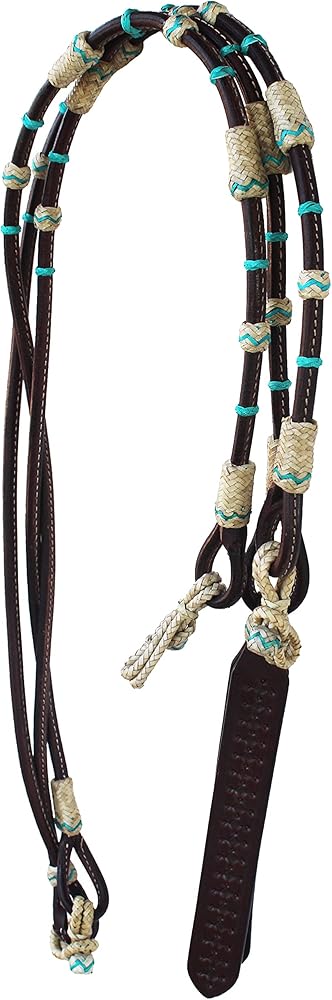
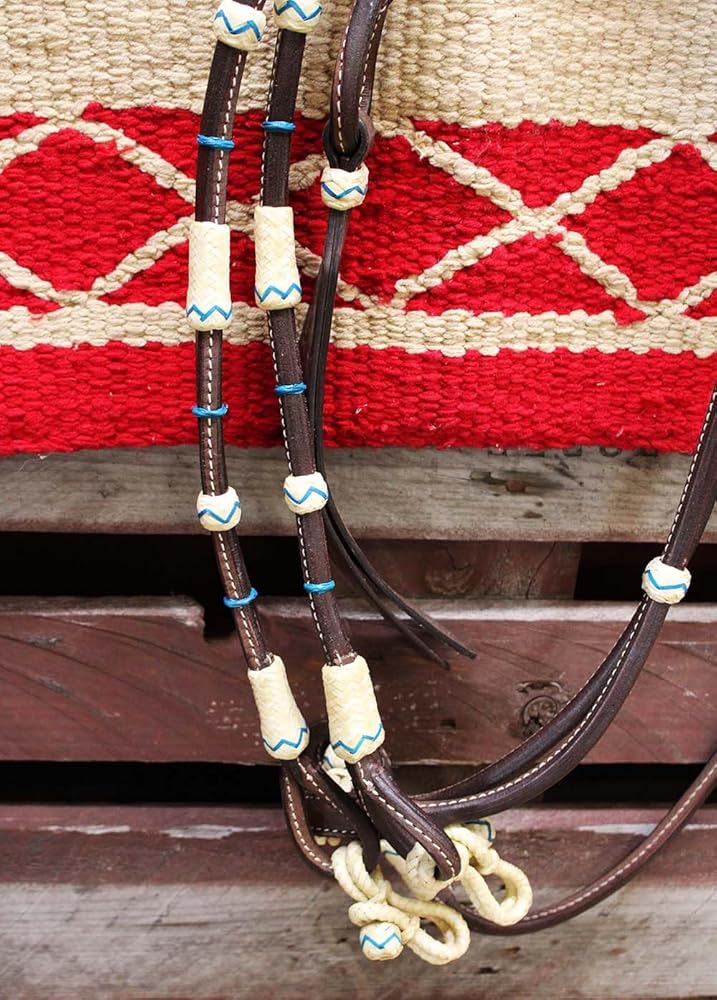
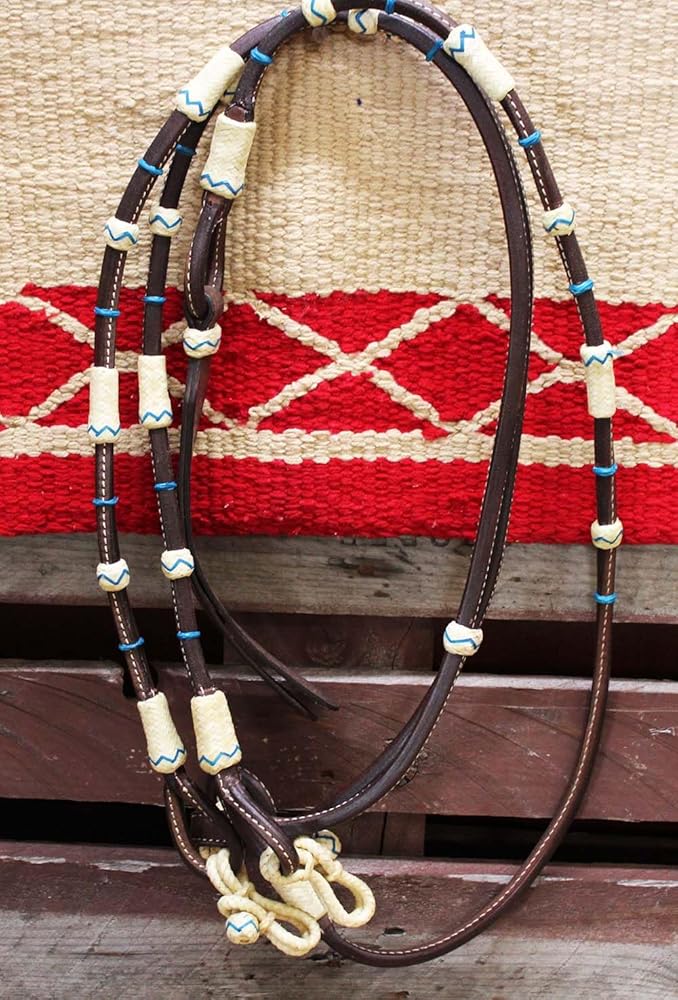
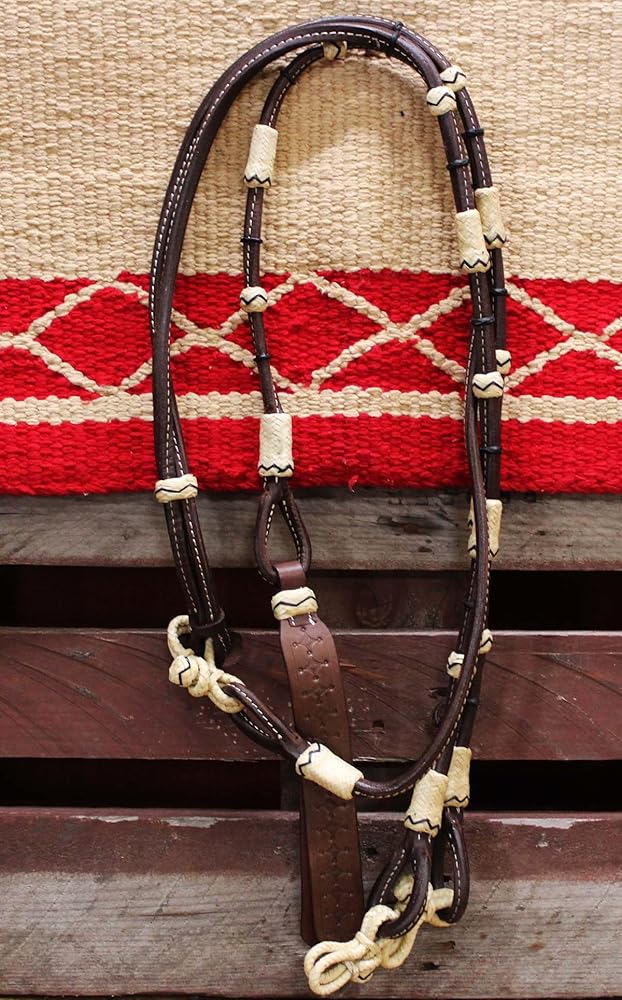
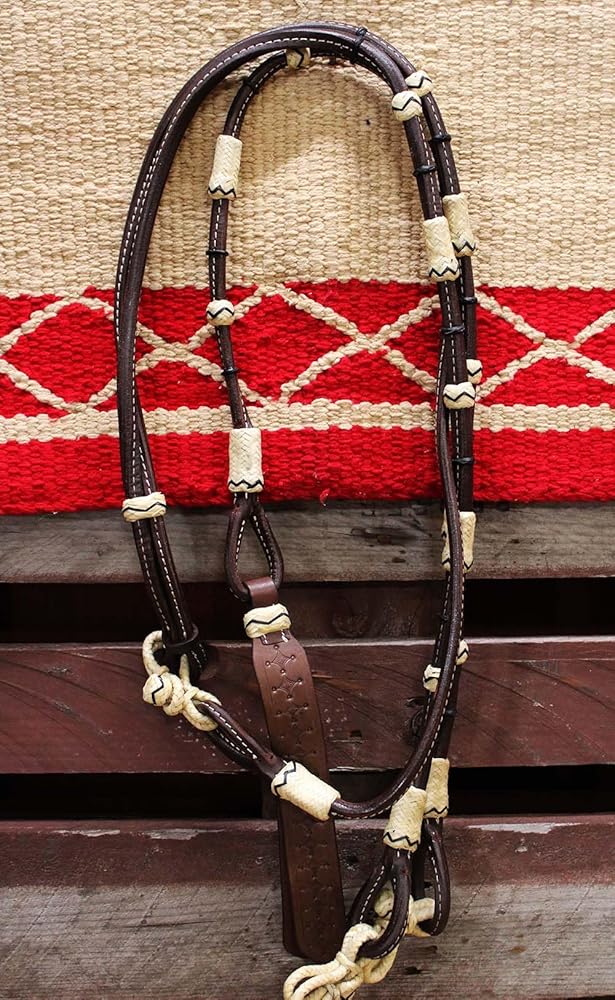
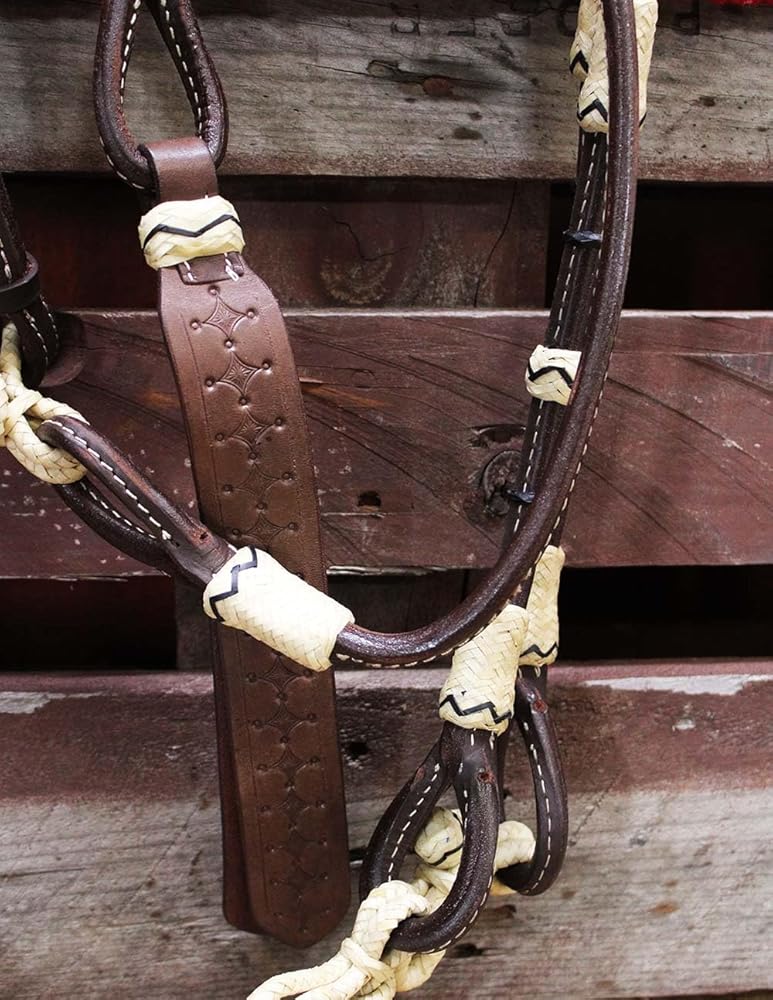
✔ CONSTRUCTION: Romal reins are a classic element of Vaquero horsemanship, recognized for their intricate braided design and their application in many Western riding disciplines. These reins feature a closed-loop design with a distinctive braided extension called the romal, typically made from rawhide or leather, often ending with a quirt or popper. The added weight and decorative buttons on the romal enhance the rider's communication with the horse by delivering clear, subtle cues. Detailed Overview: Braided Craftsmanship: Romal reins are usually hand-braided from rawhide or leather, providing durability, strength, and flexibility for long-term use. Romal Extension: This is the continuation of the closed rein, extending into a longer, weighted braided section designed for handling or cueing, and it often rests over the horse's neck. Weight and Button Placement: The strategic placement of weight and buttons on the romal helps create a distinct feel for the rider and allows for more precise, refined signals to the horse. Attached Quirt or Popper: Many romal reins are finished with a small quirt or popper at the end, which can be used to reinforce cues or assist in specific movements when needed. Traditional and Competitive Use: A hallmark of traditional Vaquero riding, romal reins are commonly seen in events like working cow horse, reining, ranch riding, and other Western performance disciplines. Balance of Precision and Fluidity: These reins offer riders excellent control while allowing for smooth, responsive communication, making them ideal for skilled horsemanship and advanced riding techniques.
 CHALLENGER 36" Western Horse Oiled Tan Leather Floral Tooled Rear Flank Saddle Cinch with Billets 97109TN
SAR 261
CHALLENGER 36" Western Horse Oiled Tan Leather Floral Tooled Rear Flank Saddle Cinch with Billets 97109TN
SAR 261
 Cob Yellow Nylon Sunflower Inlay Adjustable Halter w/Lead Rope 606212YL-C
SAR 141
Cob Yellow Nylon Sunflower Inlay Adjustable Halter w/Lead Rope 606212YL-C
SAR 141
 CHALLENGER Horse English Quilted All-Purpose Gel Shock Absorbing Saddle Pad 72TS38
SAR 235
CHALLENGER Horse English Quilted All-Purpose Gel Shock Absorbing Saddle Pad 72TS38
SAR 235
 CHALLENGER Horse Western Aces Pocker Floral Tooled Adjustable Spur Straps 74HR78
SAR 141
CHALLENGER Horse Western Aces Pocker Floral Tooled Adjustable Spur Straps 74HR78
SAR 141