- Shopping, made easy.
- /
- Get the app!
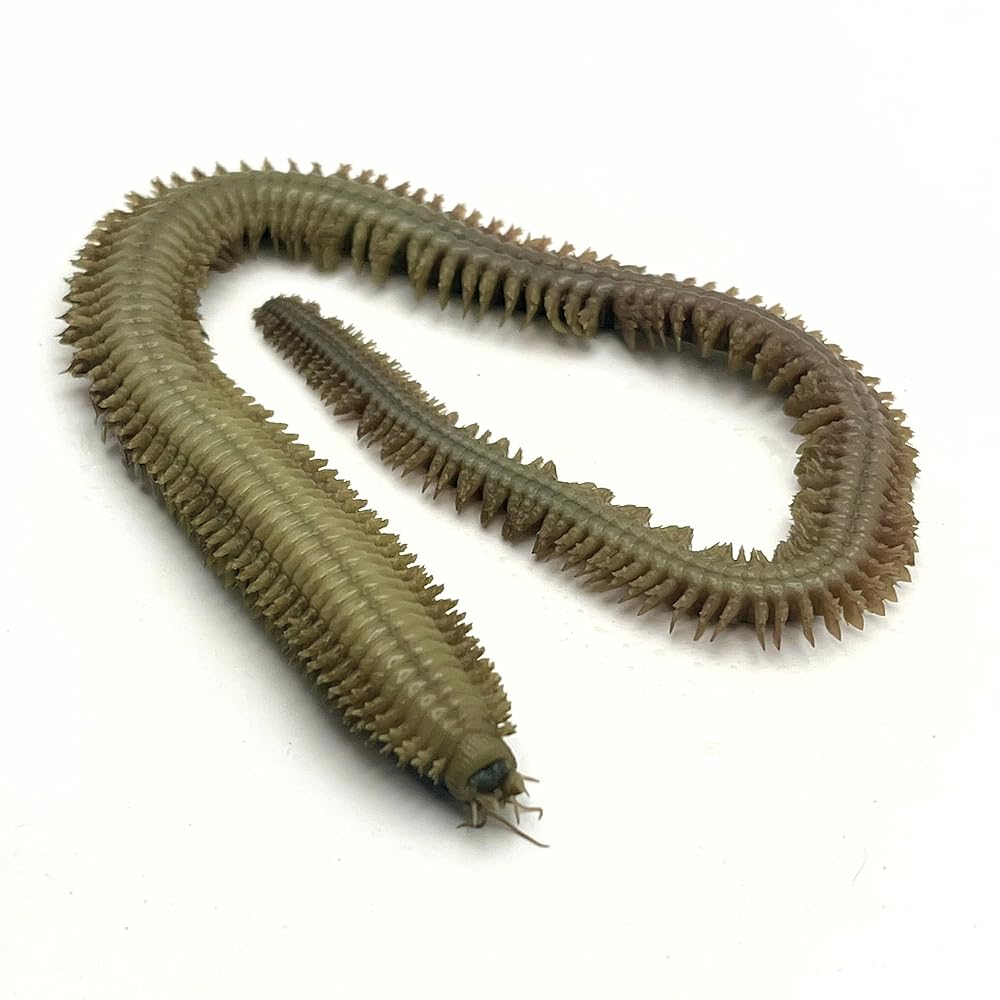
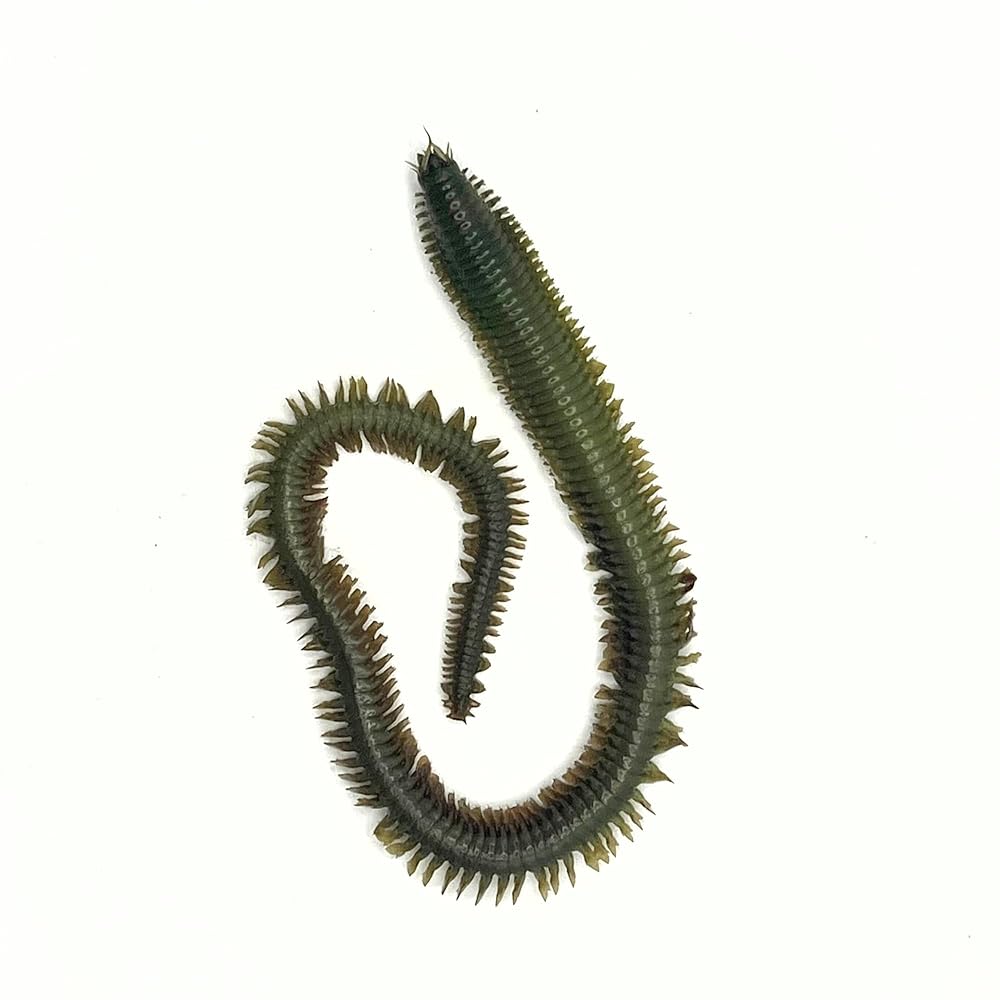
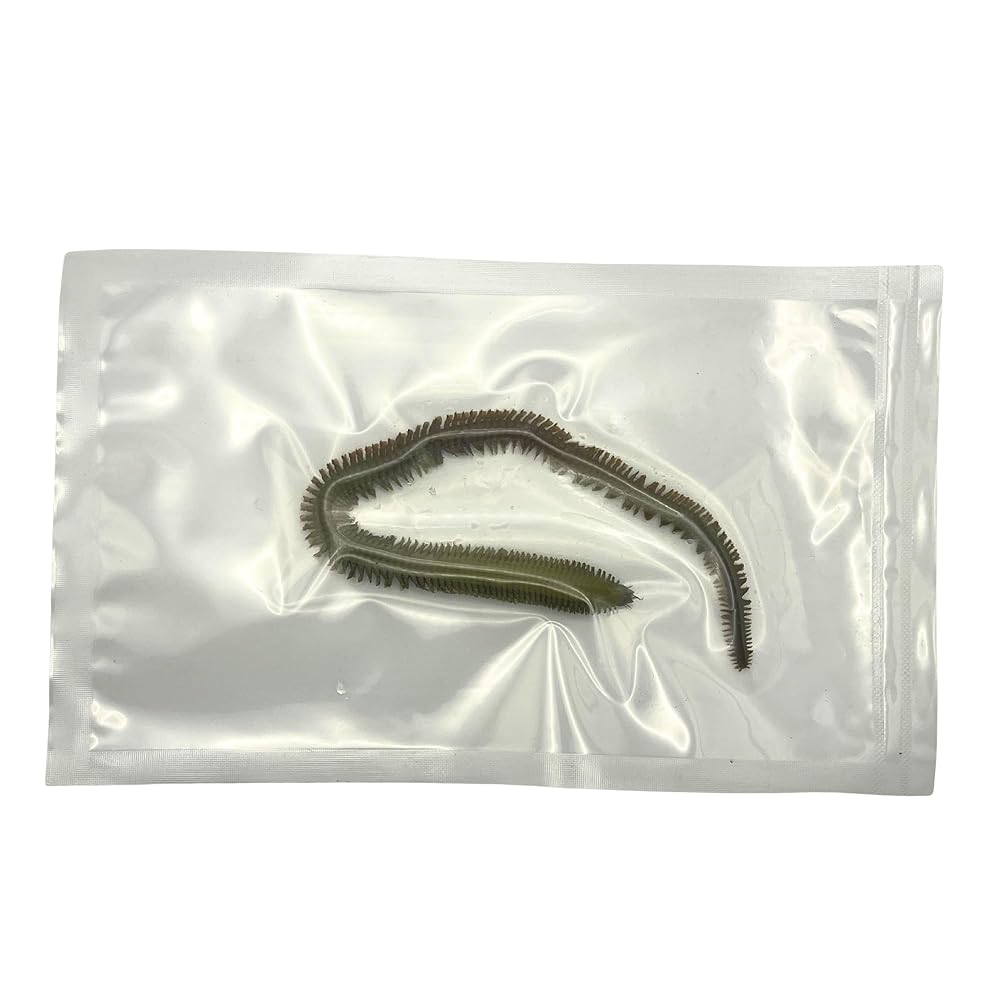
Explore marine annelid anatomy and coastal invertebrate adaptations with this real, preserved sandworm specimen (Nereis spp.), professionally prepared for long-term educational use. Sandworms are segmented marine annelids commonly studied for their elongated body plan, parapodia, chaetae (bristles), and distinct head region. Preserved in formalin and maintained in solution, this specimen retains key anatomical features for accurate classroom observation and dissection. Students can examine segmentation, lateral appendages, bristles, locomotion structures, and external morphology relevant to marine biology, invertebrate zoology, and life science curricula. This preserved sandworm specimen is well suited for classroom instruction, laboratory demonstrations, homeschool science programs, and comparative anatomy studies. Educational Insight: Sandworms (Nereis spp.) are polychaete annelids known for their segmented bodies, parapodia used in movement, and bristles that aid locomotion and interaction with the surrounding environment. Studying sandworm anatomy helps students understand annelid body organization, marine worm adaptations, feeding structures, and ecological roles in coastal habitats. What's Included: One preserved sandworm specimen (Nereis spp.), approximately 5–7 inches in length, sealed and ready for classroom, laboratory, or museum use. Important Notice: This specimen is preserved and not intended for consumption. Handle according to standard laboratory safety and specimen preservation guidelines.
 Real Preserved bat Skull - Authentic Fruit Bat Skull for Collection and Study- Sceince Study - Detailed Anatomical Features- Ideal for Art - Oddities
SAR 105
Real Preserved bat Skull - Authentic Fruit Bat Skull for Collection and Study- Sceince Study - Detailed Anatomical Features- Ideal for Art - Oddities
SAR 105
 Real Preserved MUMMIFIED BAT Hanging Position Kerivoula picta - Study Specimen - Oddities -Gothic
SAR 183
Real Preserved MUMMIFIED BAT Hanging Position Kerivoula picta - Study Specimen - Oddities -Gothic
SAR 183
 9 Pcs Insects in Resin-Specimen Set,Real Bat Taxidermy Animal Specimens Bugs in Preserved Resin for Science Education,Entomology Supplies, Bug Display,Oddity Gifts,Decor(Bat Resin 2.95x2.95x0.95inch)
SAR 0
9 Pcs Insects in Resin-Specimen Set,Real Bat Taxidermy Animal Specimens Bugs in Preserved Resin for Science Education,Entomology Supplies, Bug Display,Oddity Gifts,Decor(Bat Resin 2.95x2.95x0.95inch)
SAR 0
 Lifecycle of Frog-Development Paperweight Specimens - Animal Specimens in Clear Resin in Science Classroom for Science Education, Students and Science Lovers
SAR 140
Lifecycle of Frog-Development Paperweight Specimens - Animal Specimens in Clear Resin in Science Classroom for Science Education, Students and Science Lovers
SAR 140