- Shopping, made easy.
- /
- Get the app!
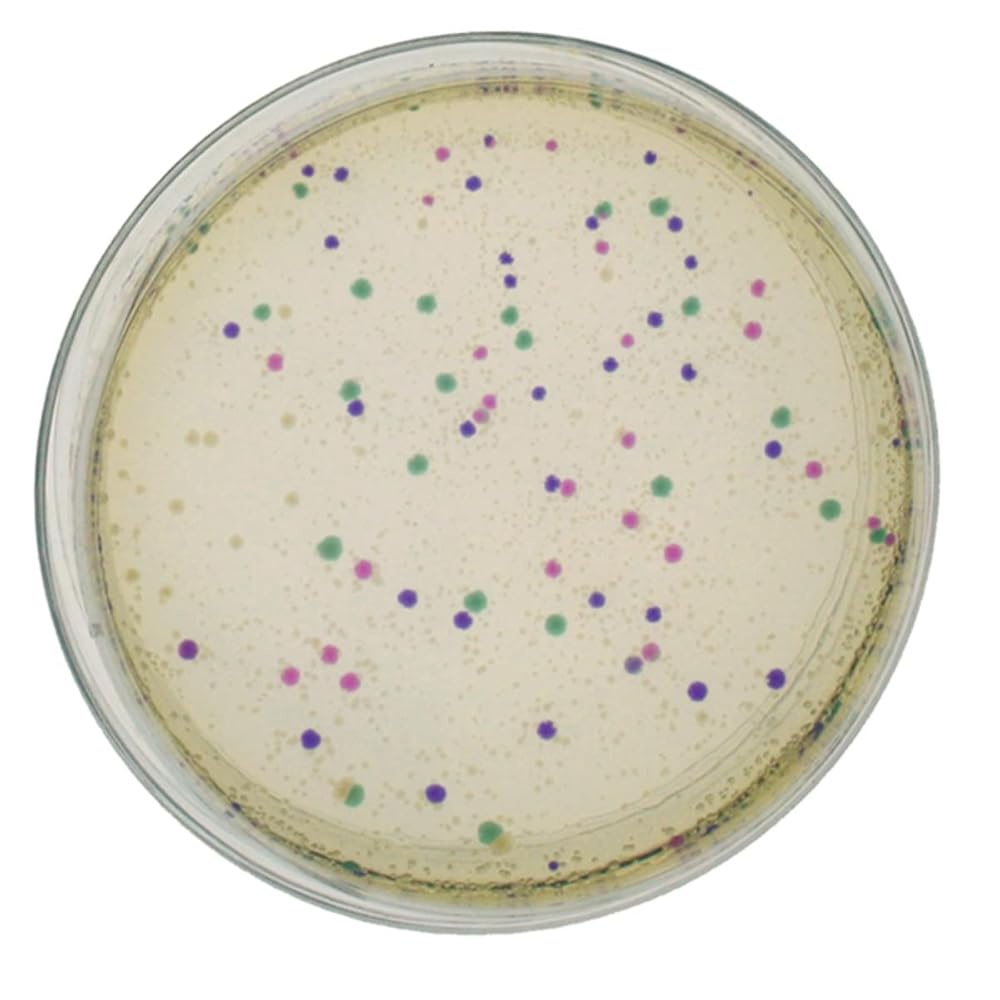
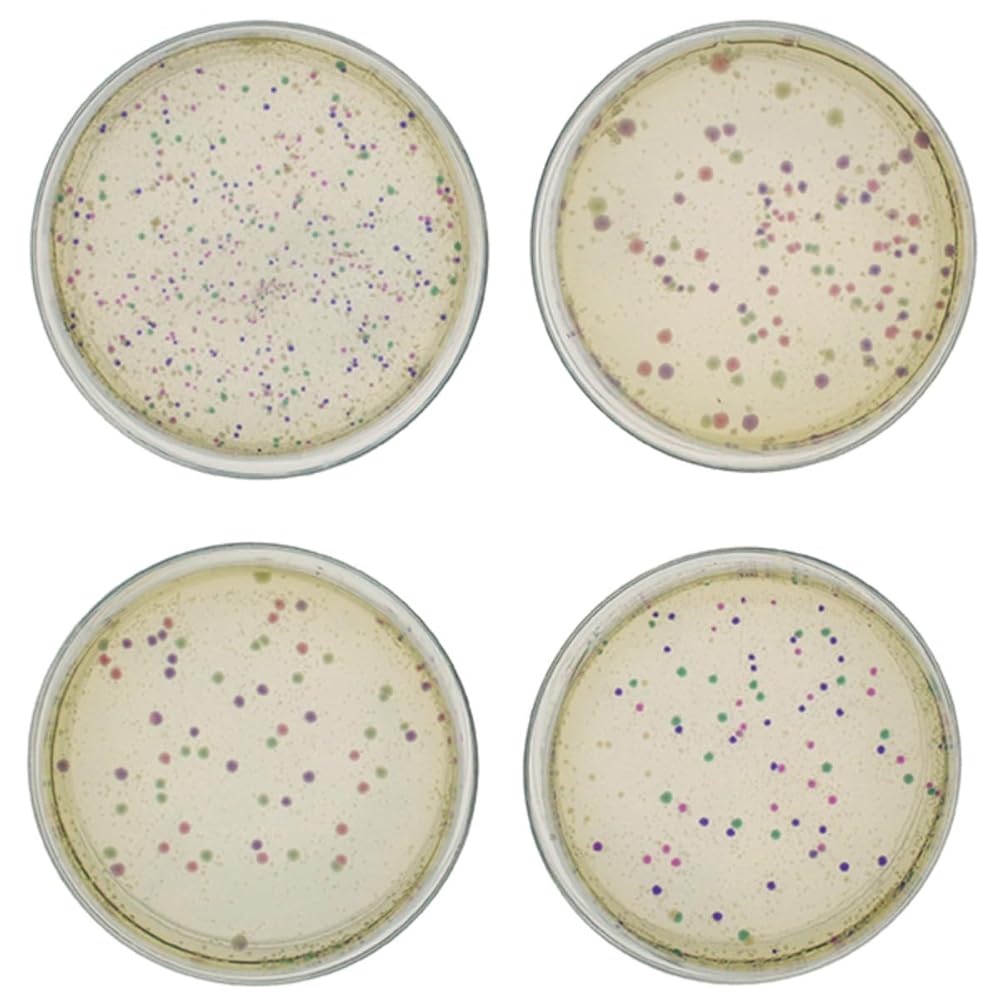
In this colorful experiment, students will explore the biological process of bacterial transformation using vibrant chromogenic proteins. Students will use three recombinant plasmids to transform E.coli bacteria. The resulting E.coli will be examined for the presence of blue, purple, and pink pigments, as well as for resistance to ampicillin. Features our new enhanced transformation protocol for improved student results.
Explore genetic engineering and the central dogma with this colorful experiment
Transform E.coli with plasmids that contain a gene for ampicillin resistance and a gene for either a blue, purple, or pink pigment
Select for transformed cells using LB-ampicillin plates and calculate transformation efficiency
Expose transformed cells to IPTG to demonstrate differential gene expression
Different plasmids help emphasize the concept of DNA>RNA>Protein>Trait
Group Size:
For 10 lab groups
Time Required:
Set Up & Plating - 50 minutes / Incubation - overnight / Transformation efficiency - 15 minutes
Kit Includes:
Instructions, BactoBeads, plasmid DNA, IPTG, ampicillin, transformation solution, ReadyPour Luria Broth Agar, sterile, recovery broth, petri plates, sterile pipets, loops and microtubes.
All You Need:
Adjustable volume micropipette (5-50µl and 50-200µl recommended) and tips, two water baths (37˚C and 42˚C), thermometer, incubation oven (37˚C), centrifuge, pipet pumps or bulbs, ice and ice bucket, marking pens, bunsen burner, hot plate or microwave oven, and hot gloves
Storage:
Some components require refrigerator and freezer storage