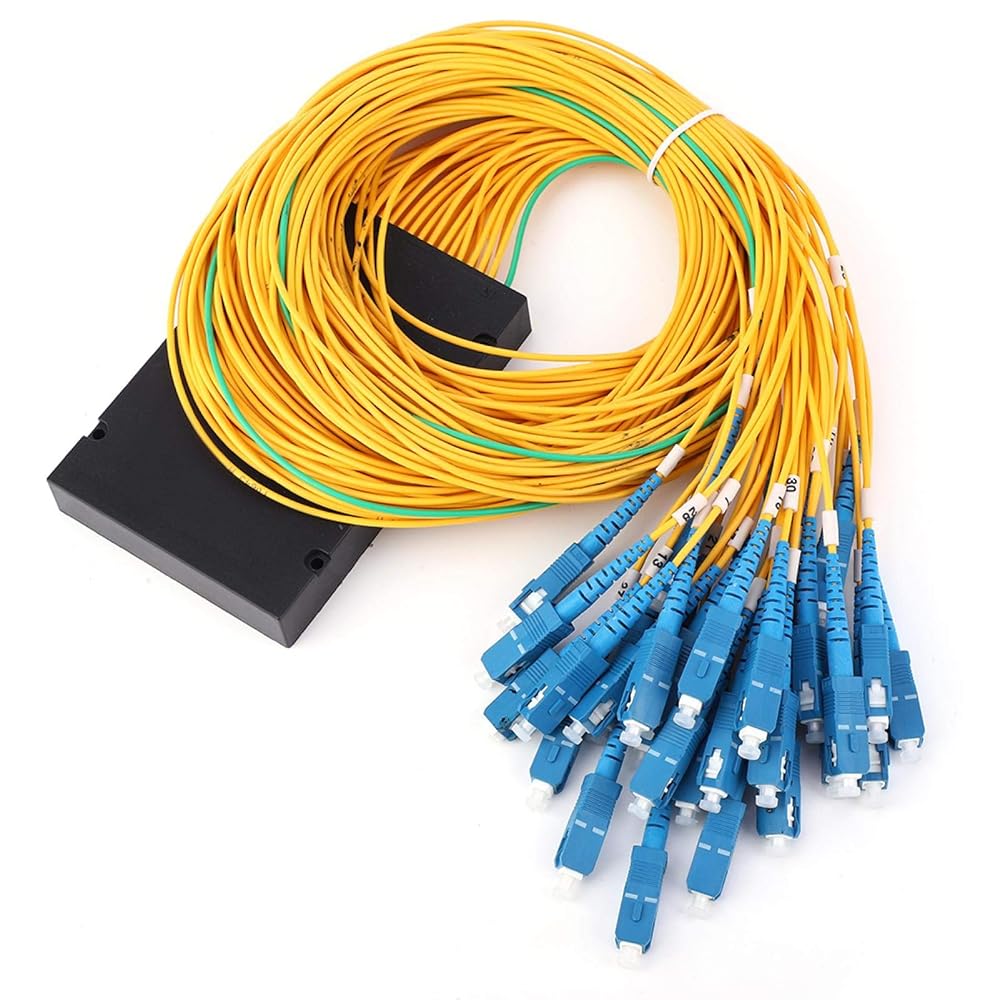
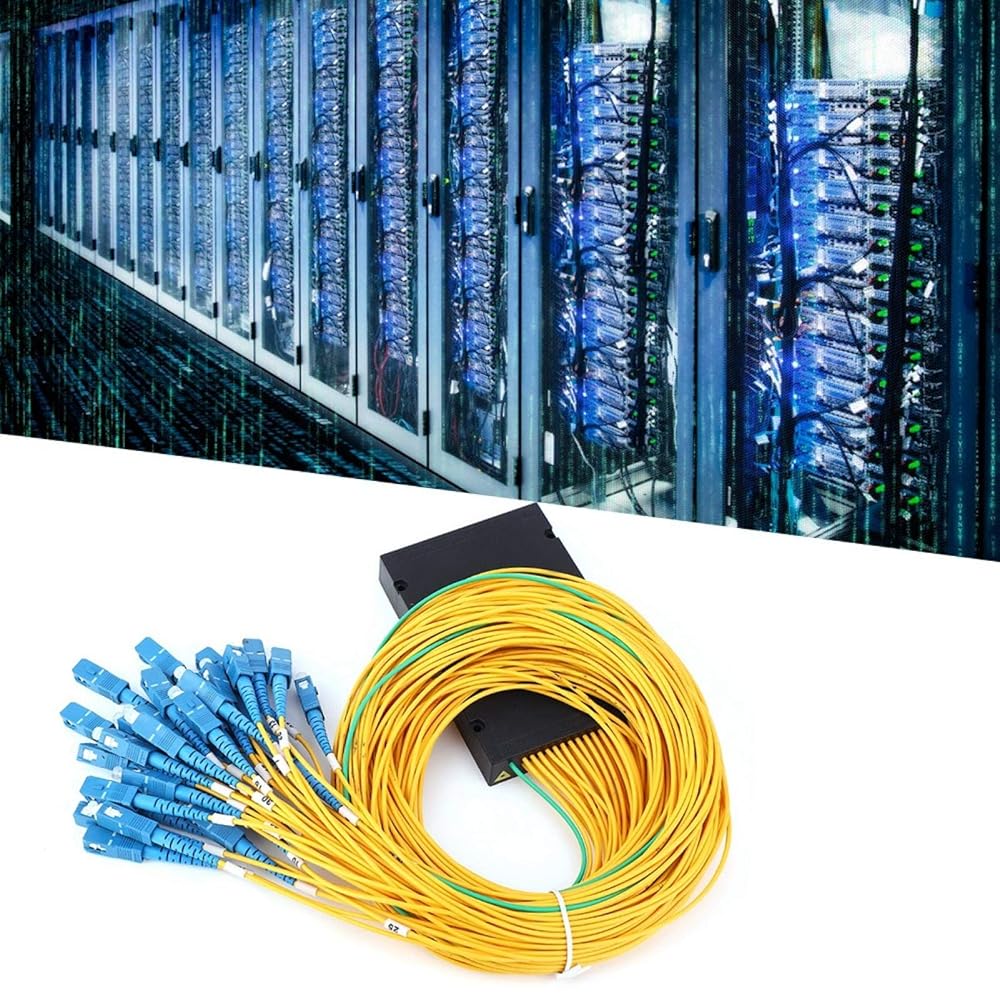
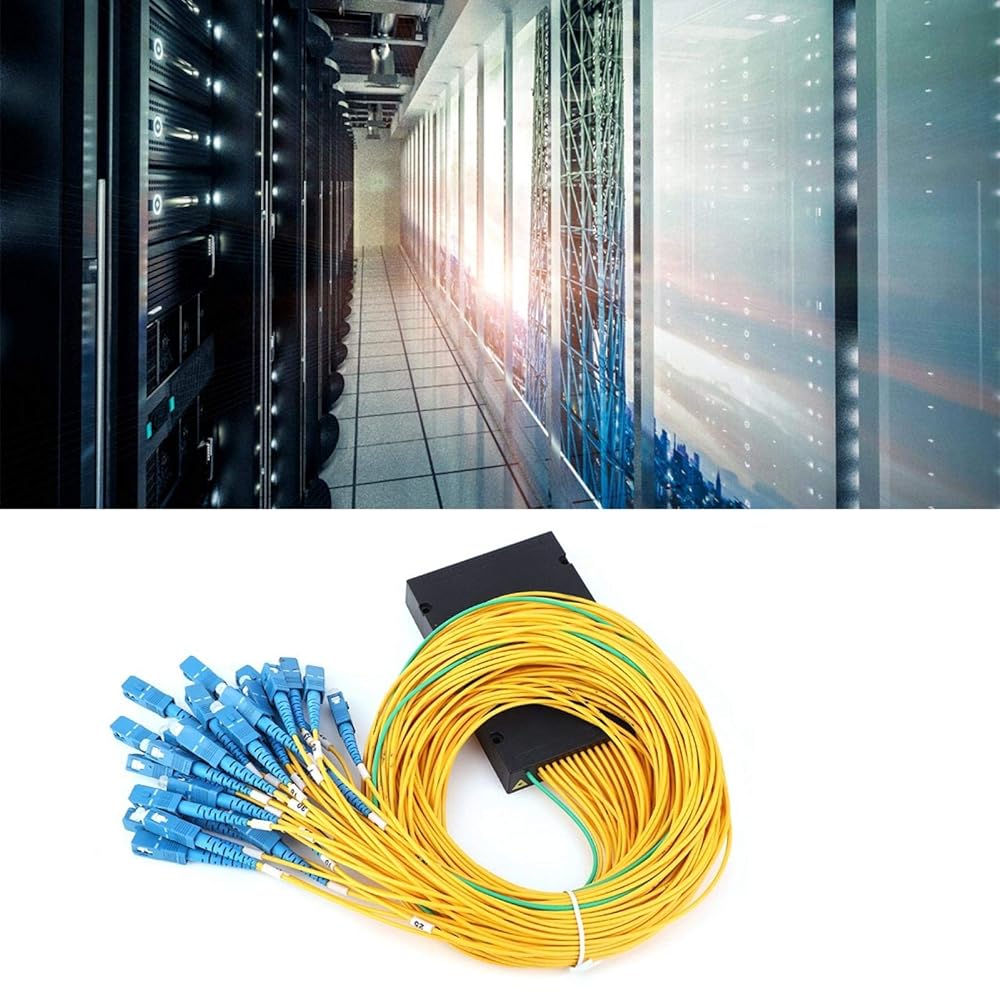
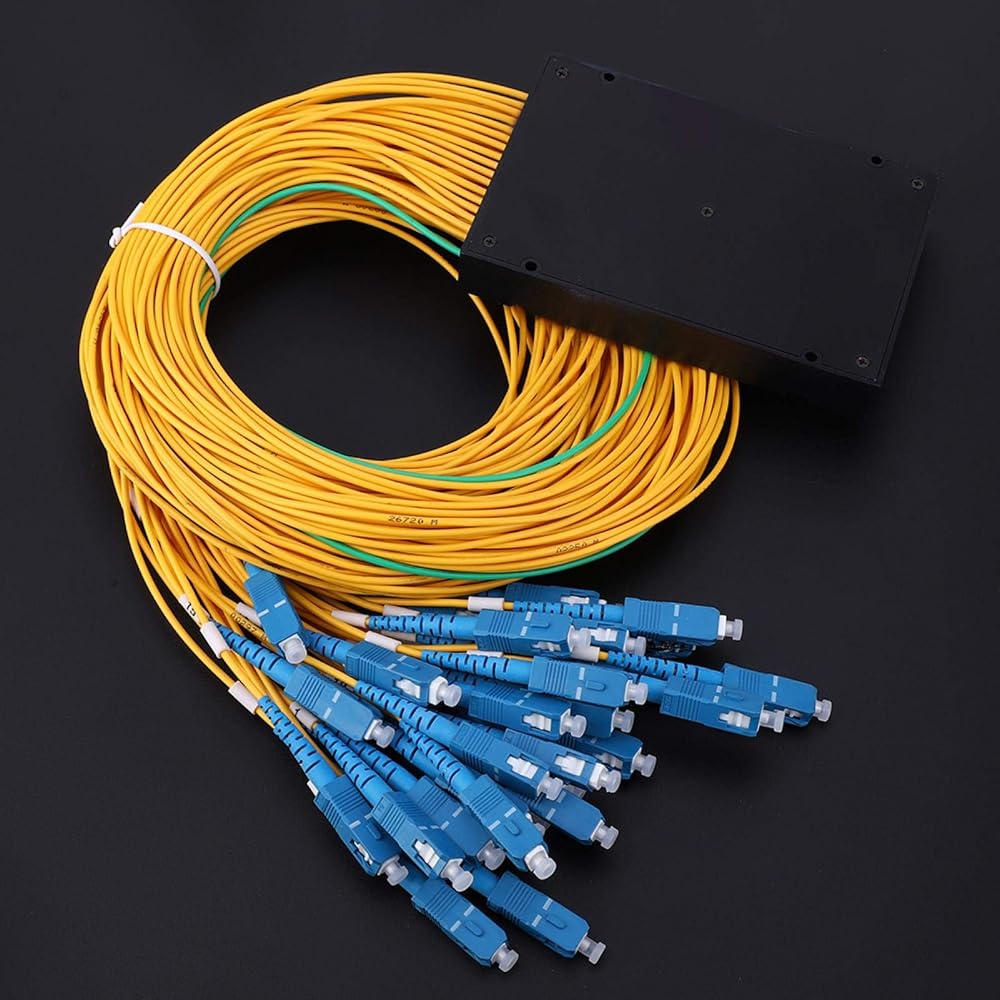
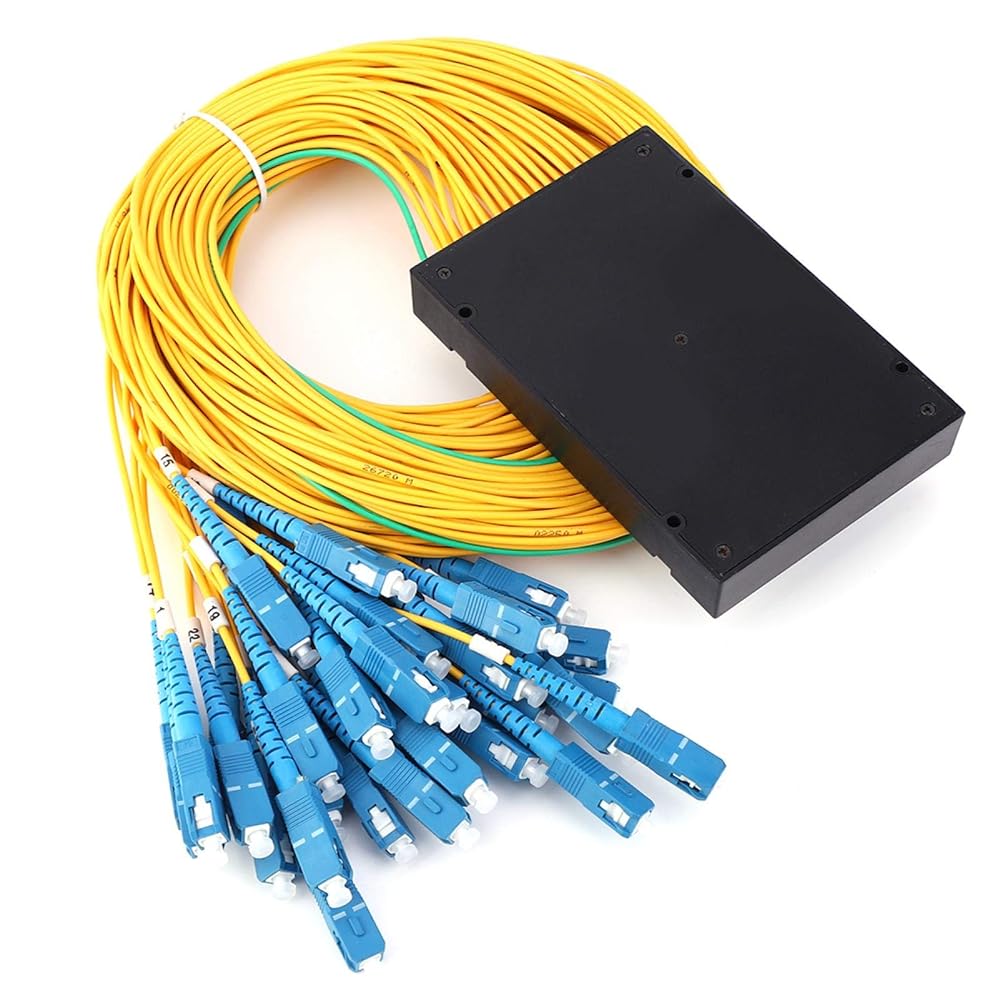
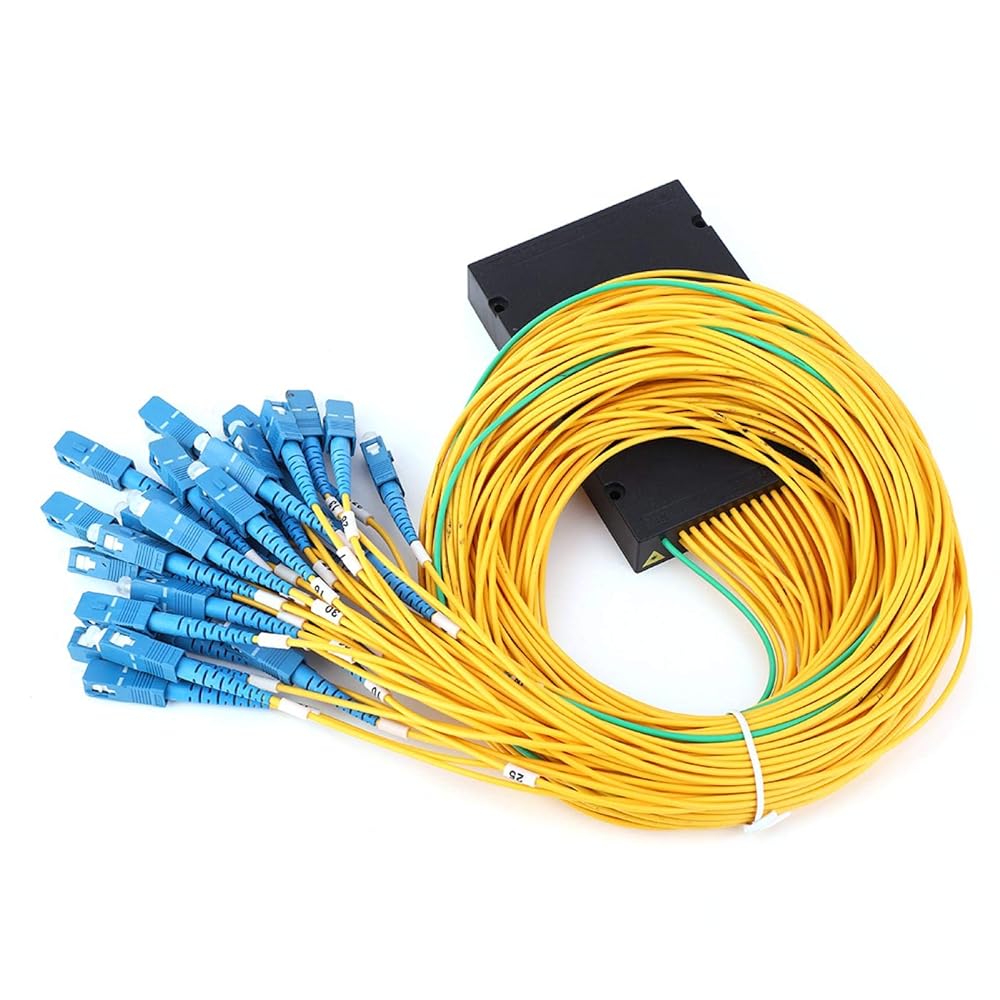
【Fibre Splitter】This is a professional single mode 1 to 32 fibre PLC splitter designed for stable optical signal distribution. It can evenly split one input optical signal into 32 output channels, ensuring reliable data transmission for large-scale network connections. It is widely applied in different network scenarios and provides strong support for efficient optical communication construction and daily network operation.
【SC Interface】The interface type of this optical splitter is SC/UPC, which features standard specification and good compatibility. The SC/UPC interface ensures quick and stable connection with other optical equipment, reducing signal loss during transmission. It is easy to plug and unplug, making installation and maintenance more efficient for both professional engineering and home network wiring.
【Optic Structure】Adopting an all fibre optic structure, this PLC splitter has excellent environmental stability and can adapt to different working temperatures and humidity levels. The stable structure effectively avoids signal interference caused by external changes, keeping the transmission performance consistent in long-term use. It also enhances the overall durability of the product for various application environments.
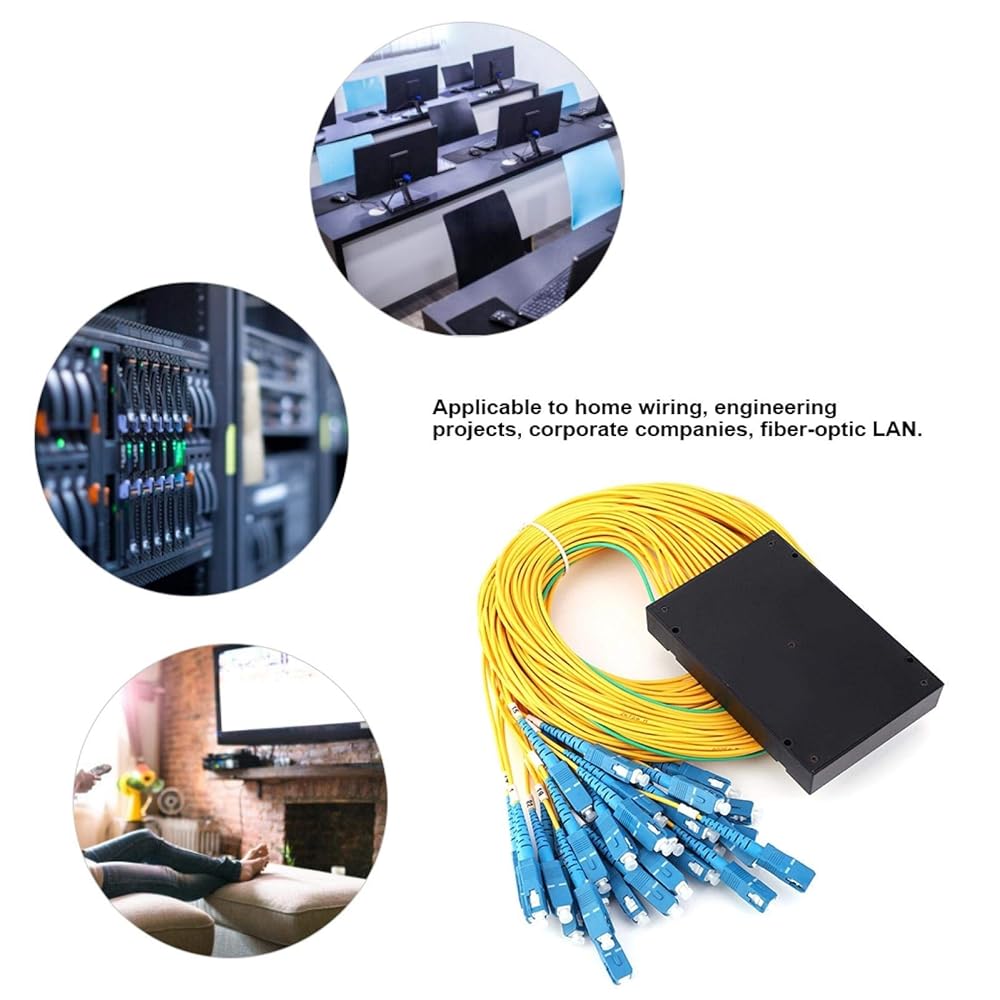
【Wiring Device】This fibre splitter is widely applicable to home wiring, engineering projects, corporate companies and fibre-optic local area networks. It meets the network expansion needs of different users, from residential broadband access to enterprise-level network construction. Its compact design also makes it easy to install in wiring boxes or equipment racks without taking too much space.
【Low Loss Splitter】This PLC splitter features low insertion loss and low back reflection, effectively improving the efficiency and quality of optical signal transmission. Low insertion loss ensures that the signal strength remains stable after splitting, while low back reflection reduces signal interference and noise. These characteristics make the network run more smoothly and meet the high requirements of modern optical communication.

 Air Hammer Retainer Spring,Replaceable Air HammerRetaining Quick Spring for 150 190 250 Pneumatic Hammer
SAR 44
Air Hammer Retainer Spring,Replaceable Air HammerRetaining Quick Spring for 150 190 250 Pneumatic Hammer
SAR 44
 Bullet Crimp Terminal, Heat Shrink Butt Connectors, 20 Set 1 to 2 Female/Male Bullet Crimp Terminals Electric Wire Connecting Tool with Sleeve
SAR 37
Bullet Crimp Terminal, Heat Shrink Butt Connectors, 20 Set 1 to 2 Female/Male Bullet Crimp Terminals Electric Wire Connecting Tool with Sleeve
SAR 37
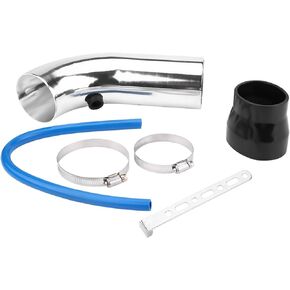 Air Intake Hose, Aluminum Alloy 76mm/3inch Universal Car Cold Air Intake Pipe Tube Hose Kit Filter System(Silver)
SAR 99
Air Intake Hose, Aluminum Alloy 76mm/3inch Universal Car Cold Air Intake Pipe Tube Hose Kit Filter System(Silver)
SAR 99
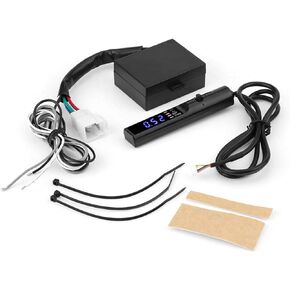 Turbo Timer, Turbo Timer for Diesel Engine, 12v Universal Auto Modified Turbo Timer Device Digital LED Display Parking Time Retarder Universal for Cars
SAR 120
Turbo Timer, Turbo Timer for Diesel Engine, 12v Universal Auto Modified Turbo Timer Device Digital LED Display Parking Time Retarder Universal for Cars
SAR 120