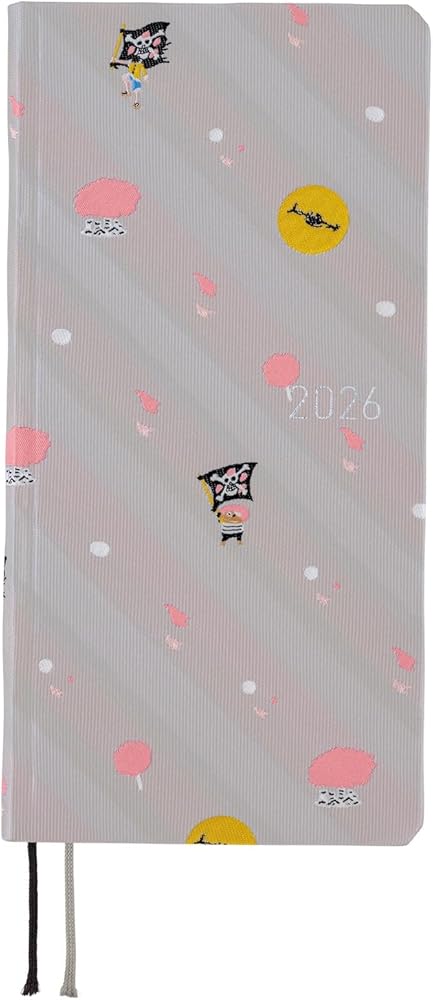
COMPACT, SLIM, VERTICAL WEEKLY PLANNER – The Hoboinchi Weeks Book is easy to flip through, fits comfortably in your hand, and slips effortlessly into your pocket or bag. The lightweight hardcover is soft and flexible.
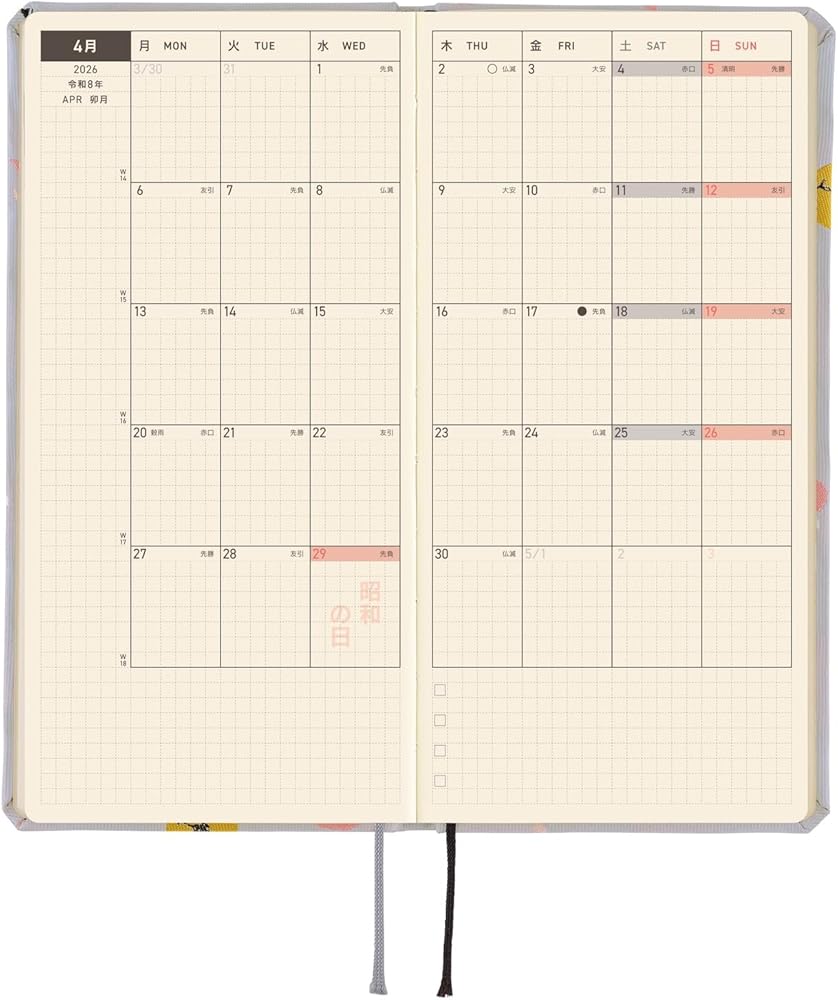
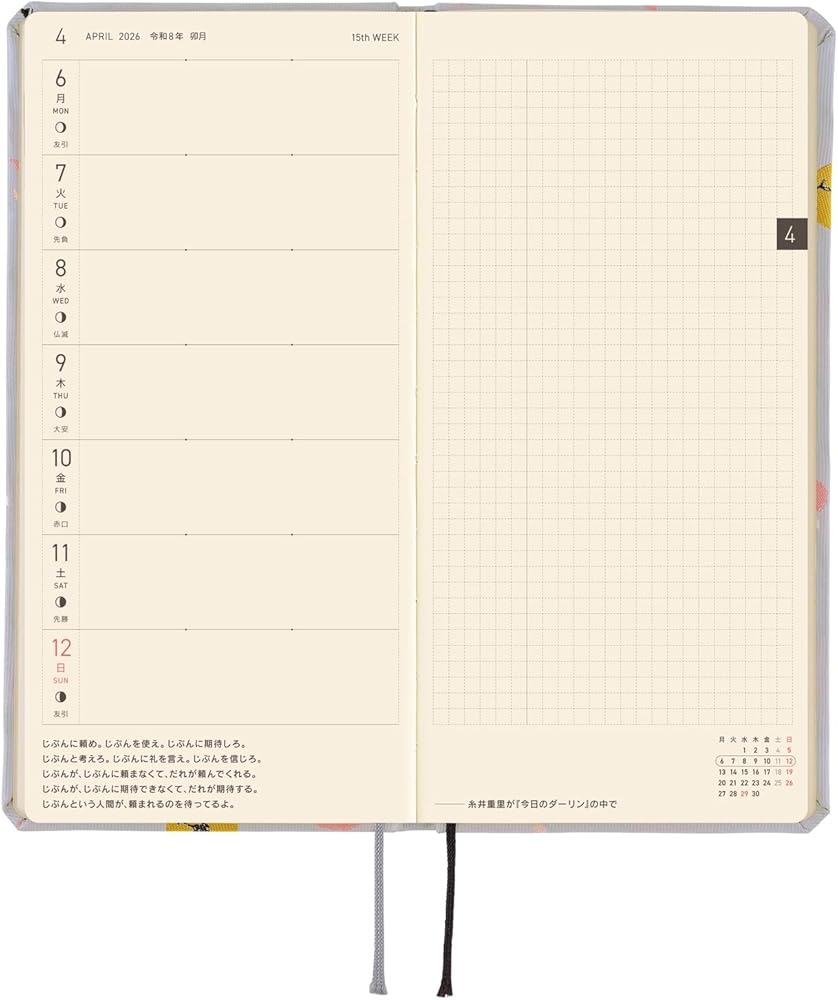
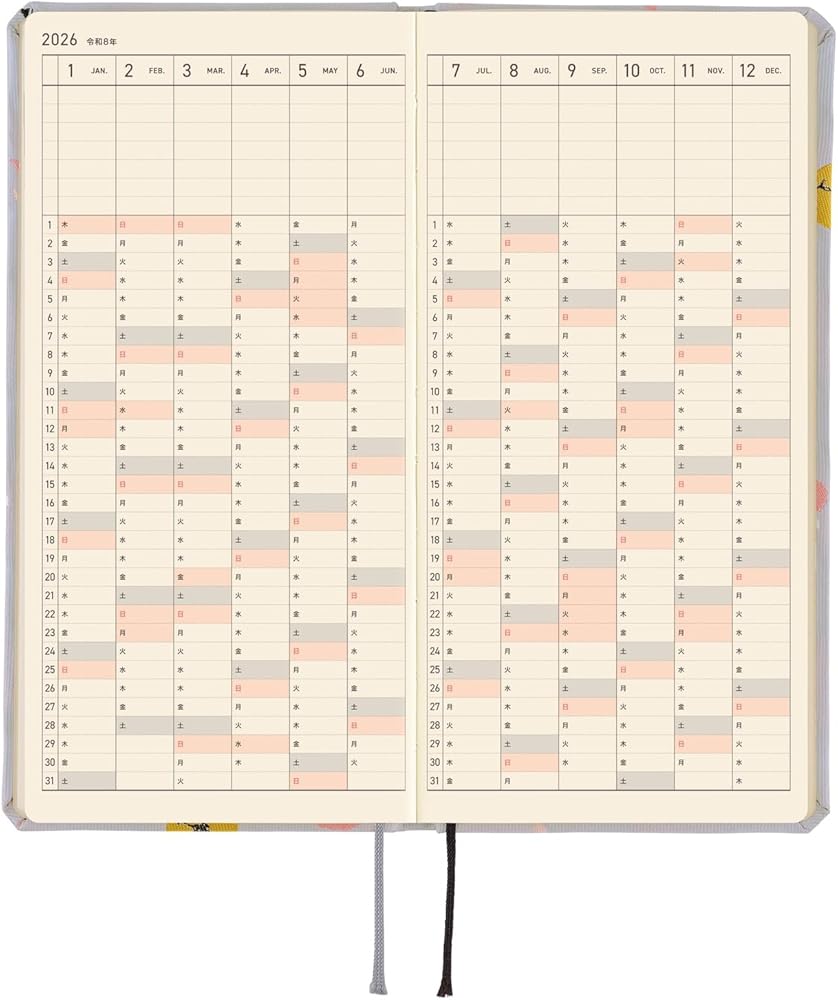
WEEKLY & NOTES LAYOUT – The left page features a weekly schedule, while the right side offers blank graph paper for notes and sketches. Each weekly spread includes a quote from the Japanese web magazine "Hobonichi". A monthly calendar at the beginning helps with schedule management.
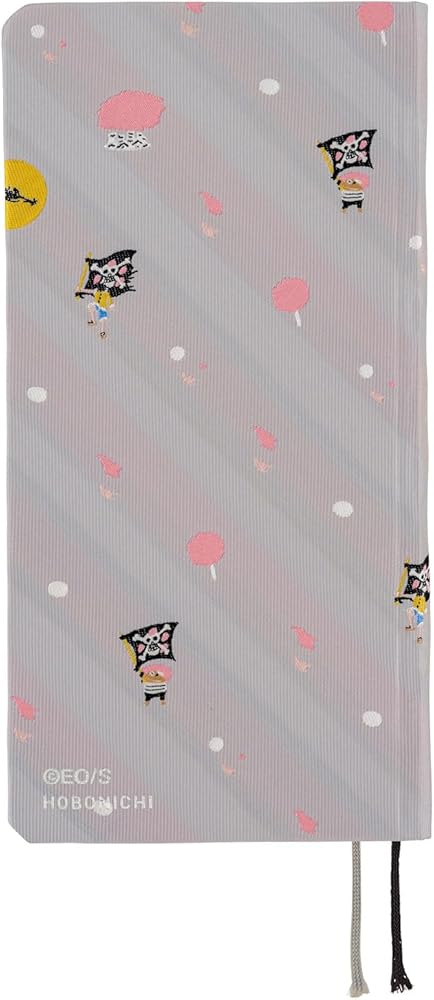
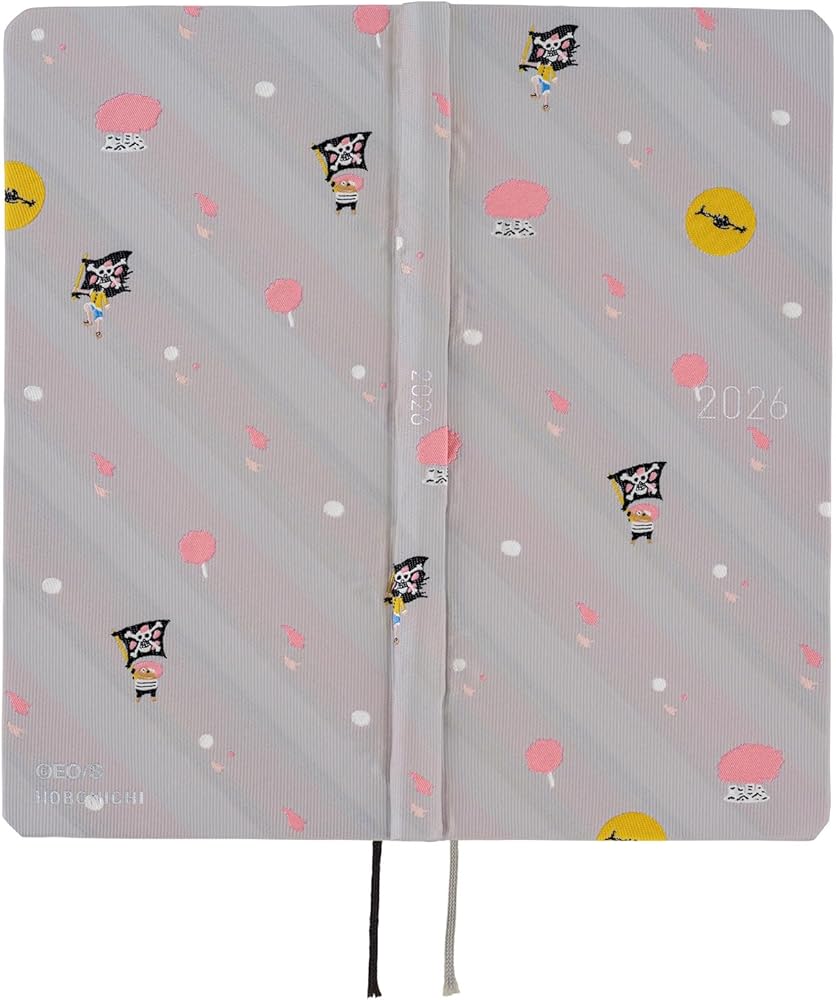
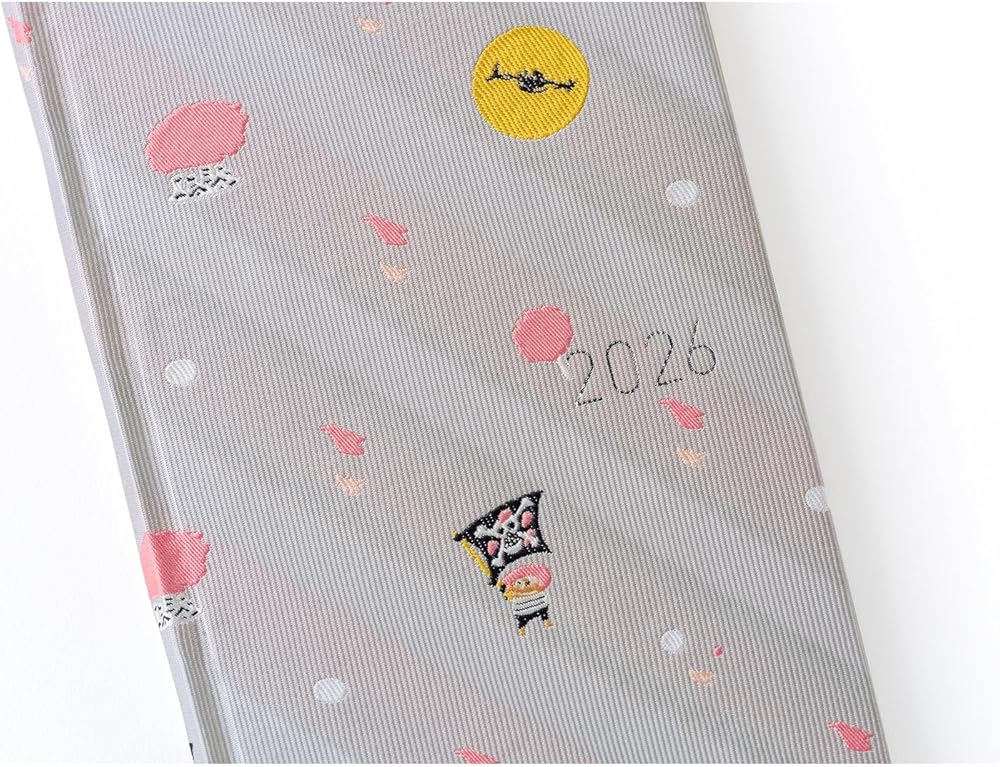
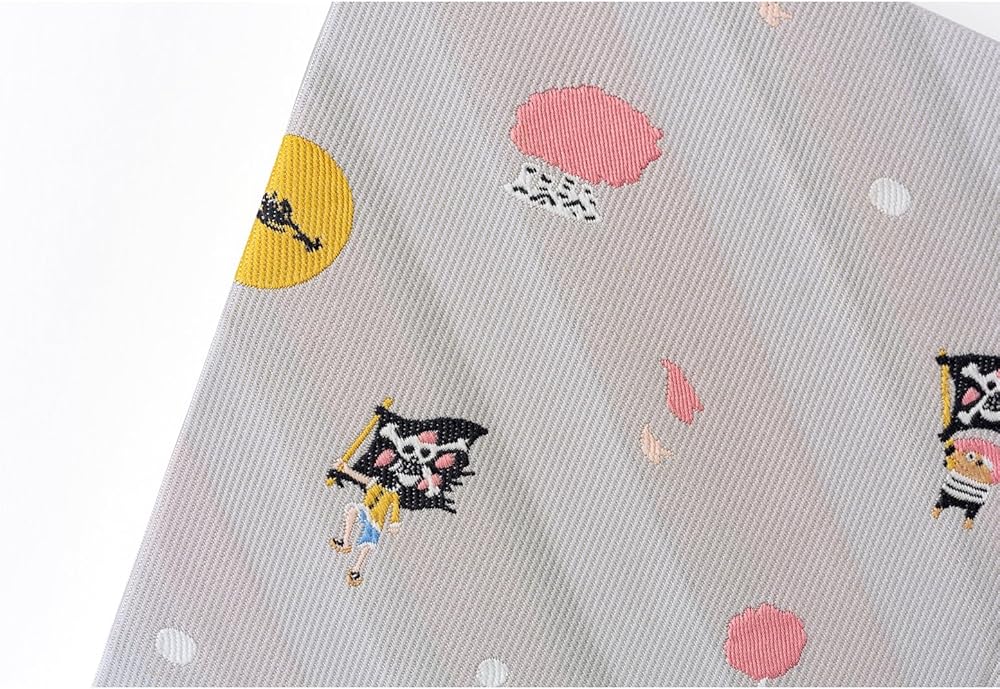
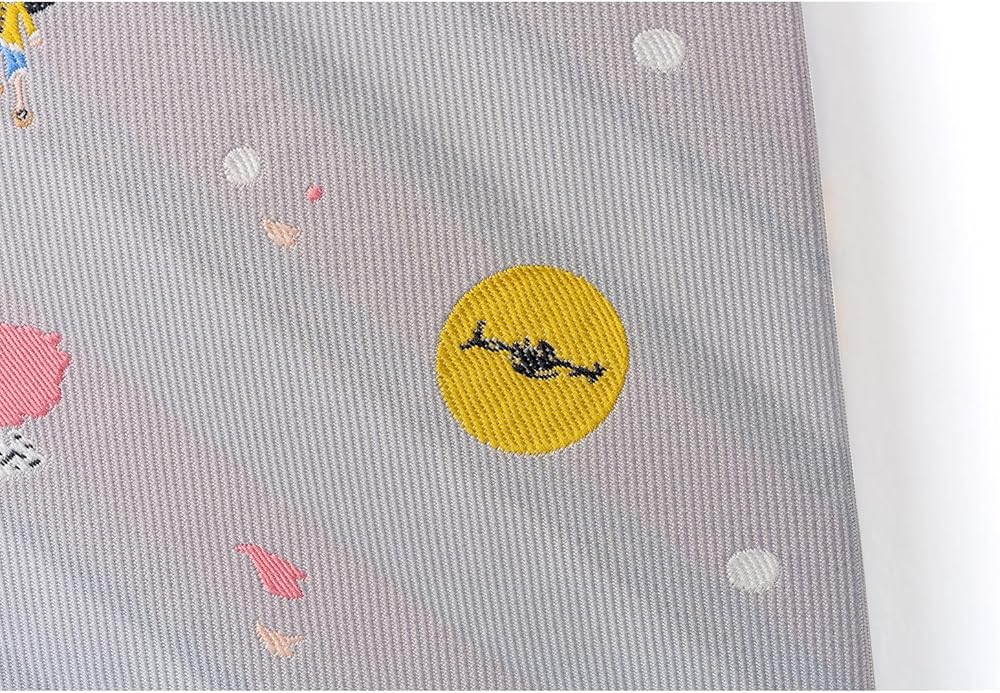
COLLABORATED WITH THE ONE PIECE MAGAZINE – This Weeks planner collaborates with the ONE PIECE magazine, a magazine book that delves into the world of the manga One Piece. The front cover is designed in light gray, with characters like Tony Tony Chopper and Luffy woven into the shiny fabric used in neckties, along with cherry blossom petals and cotton candies. The year 2026 is foil-pressed in silver on the front cover.
240 pages; Japanese. Made with Tomoe River paper and stitch-binding. 3.55mm graph paper; Monday-start week. Size: H188 × W94 × T11 mm / H: 7.4" × W: 3.7" × T: 0.4" (specifications may vary slightly) | Weight: approx.138g
Includes: Yearly Calendars for 2025, 2026, 2027; Yearly Index (Apr. 2026 - Mar. 2027 ,2 pages); Monthly Calendars (Mar. 2026 - Apr. 2027 ,28 pages), Weekly Pages (Feb. 23, 2026 - Apr. 4, 2027 ,116 pages); 73 pages of graph paper. *Actual size may vary slightly. (C) Eiichiro Oda/SHUEISHA
وصف
You may notice press marks, slight whitening, or a glossy finish on the corners of the front and back covers. These are unavoidable results of the binding process. The patterned fabric has not been aligned to a specific layout, so the placement of each design will vary by product. The product will not be an exact replica of the one in the product photographs. The material in this product snags easily on sharp objects, so please handle with care. The Tomoe River paper designed for planners is known for its thinness and smooth writing surface. However, depending on the type and amount of ink or pen used—as well as environmental conditions—some ink may bleed through or take longer to dry. We recommend testing your pens on an inconspicuous area first, or using a pencil board or blotting paper for best results.
![كتاب Hobonichi Techo بدون يوم [اليابانية/A6/يناير 2024 البداية/بداية الاثنين/دفتر ملاحظات ورق الرسم البياني] in Saudi Arabia](https://cdn1.tilga.com/md/prod/3/1585/3/91419785.10190.jpg) كتاب Hobonichi Techo بدون يوم [اليابانية/A6/يناير 2024 البداية/بداية الاثنين/دفتر ملاحظات ورق الرسم البياني]
SAR 183
كتاب Hobonichi Techo بدون يوم [اليابانية/A6/يناير 2024 البداية/بداية الاثنين/دفتر ملاحظات ورق الرسم البياني]
SAR 183
![أسابيع هوبونيتشي تيكو [إنجليزي/حجم طويل ونحيف/بداية يناير 2024] سلس: السانجريا in Saudi Arabia](https://cdn1.tilga.com/md/prod/3/1732/3/93531523.39137.jpg) أسابيع هوبونيتشي تيكو [إنجليزي/حجم طويل ونحيف/بداية يناير 2024] سلس: السانجريا
SAR 173
أسابيع هوبونيتشي تيكو [إنجليزي/حجم طويل ونحيف/بداية يناير 2024] سلس: السانجريا
SAR 173
 إكسسوارات Hobonichi Techo حافظة صفحات Hobonichi للمخطط/الأصلي/الأسابيع
SAR 42
إكسسوارات Hobonichi Techo حافظة صفحات Hobonichi للمخطط/الأصلي/الأسابيع
SAR 42
![غطاء Hobonichi Techo Cousin [غلاف A5 فقط] Alettone (بني) in Saudi Arabia](https://cdn1.tilga.com/md/prod/3/3518/3/120810487.8174.jpg) غطاء Hobonichi Techo Cousin [غلاف A5 فقط] Alettone (بني)
SAR 183
غطاء Hobonichi Techo Cousin [غلاف A5 فقط] Alettone (بني)
SAR 183