- Shopping, made easy.
- /
- Get the app!
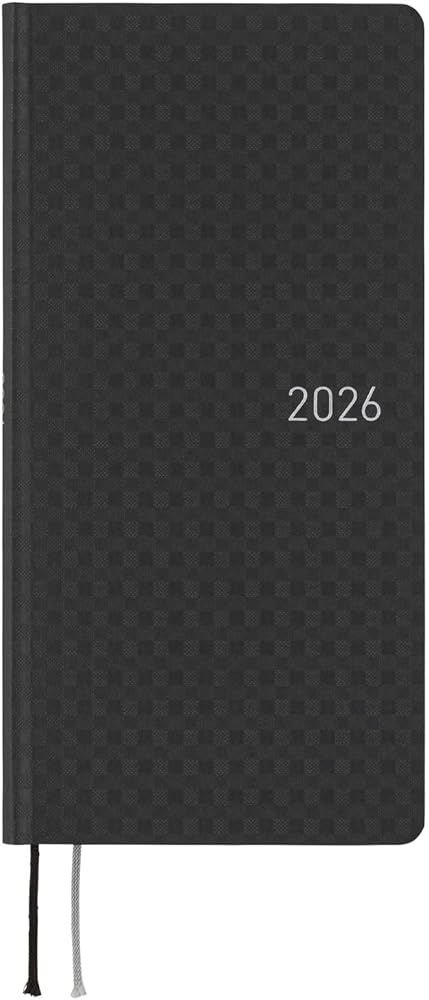
You may notice press marks, slight whitening, or a glossy finish on the corners of the front and back covers. These are unavoidable results of the binding process. The cover material is made with paper and is delicate. Please avoid getting the material wet. If you're concerned about friction against the material, we recommend using a Clear Cover. Alternatively, we recommend storing it in a pouch or case when taking it out with you. Color may transfer to other items through friction or prolonged contact. This risk increases when the cover is exposed to water or sweat, so please take extra care when carrying it near clothing or other belongings. The Tomoe River paper designed for planners is known for its thinness and smooth writing surface. However, depending on the type and amount of ink or pen used—as well as environmental conditions—some ink may bleed through or take longer to dry. We recommend testing your pens on an inconspicuous area first, or using a pencil board or blotting paper for best results.
![Hobonichi Techo Day-Free Book [Japanese/A6/January 2024 Start/Monday Start/Graph Paper Notebook] in Saudi Arabia](https://cdn1.tilga.com/md/prod/3/1585/3/91419785.10190.jpg) Hobonichi Techo Day-Free Book [Japanese/A6/January 2024 Start/Monday Start/Graph Paper Notebook]
SAR 183
Hobonichi Techo Day-Free Book [Japanese/A6/January 2024 Start/Monday Start/Graph Paper Notebook]
SAR 183
![Hobonichi Techo Weeks [English/Tall and Slim Size/January 2024 Start] Smooth: Sangria in Saudi Arabia](https://cdn1.tilga.com/md/prod/3/1732/3/93531523.39137.jpg) Hobonichi Techo Weeks [English/Tall and Slim Size/January 2024 Start] Smooth: Sangria
SAR 173
Hobonichi Techo Weeks [English/Tall and Slim Size/January 2024 Start] Smooth: Sangria
SAR 173
 Hobonichi Techo Accessories Hobonichi Page Keeper for Planner/Original/Weeks
SAR 42
Hobonichi Techo Accessories Hobonichi Page Keeper for Planner/Original/Weeks
SAR 42
![Hobonichi Techo 2025 Weeks [English/Tall and Slim Size/January Start/Planner] Liberty Fabrics: Paysanne Blossom in Saudi Arabia](https://cdn1.tilga.com/md/prod/3/3862/3/125729530.50672.jpg) Hobonichi Techo 2025 Weeks [English/Tall and Slim Size/January Start/Planner] Liberty Fabrics: Paysanne Blossom
SAR 209
Hobonichi Techo 2025 Weeks [English/Tall and Slim Size/January Start/Planner] Liberty Fabrics: Paysanne Blossom
SAR 209