- Shopping, made easy.
- /
- Get the app!
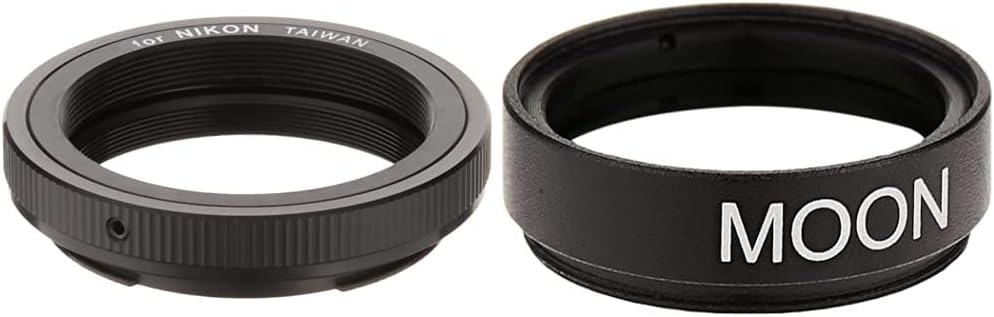
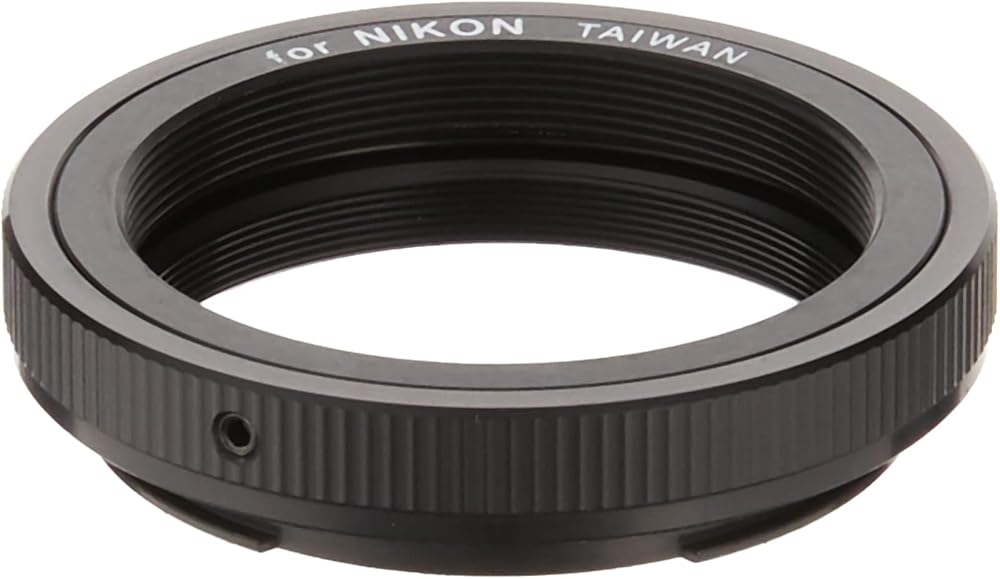
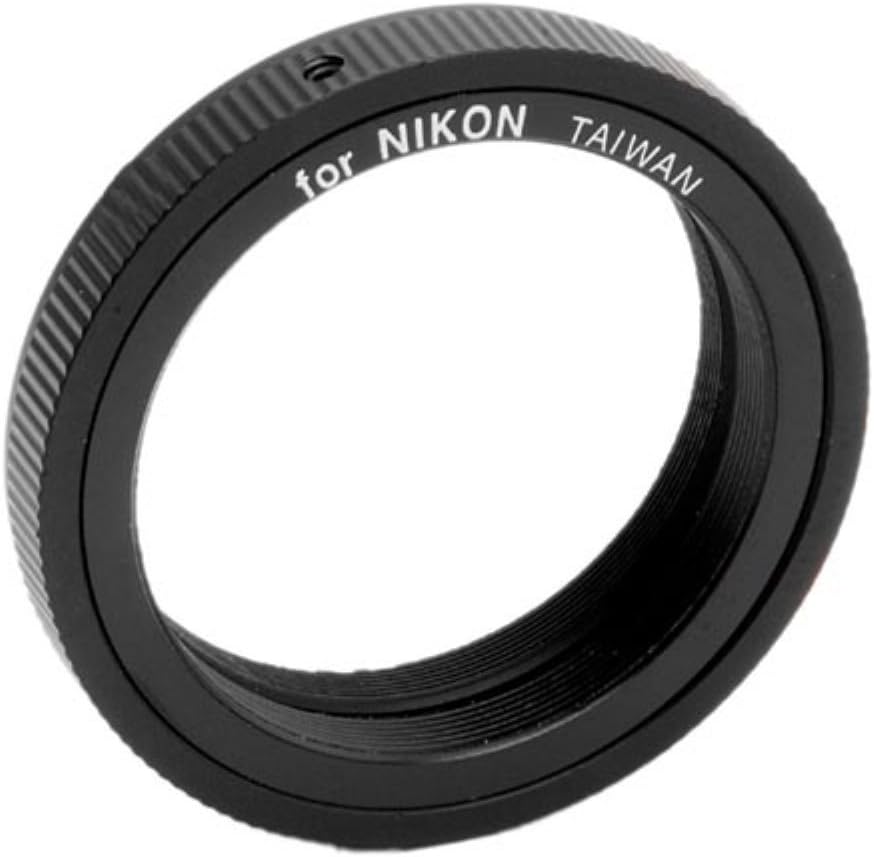
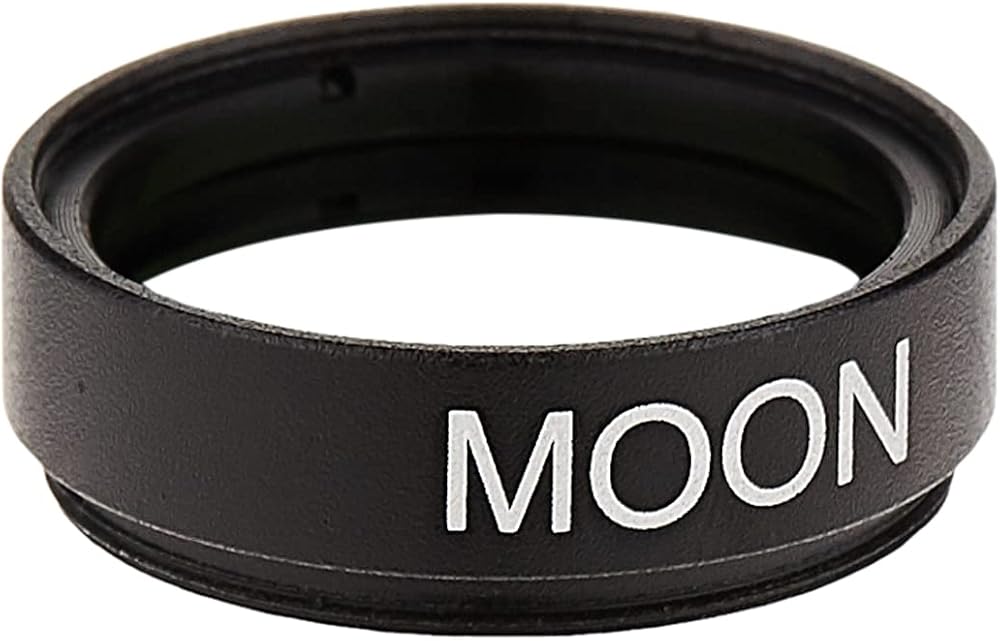
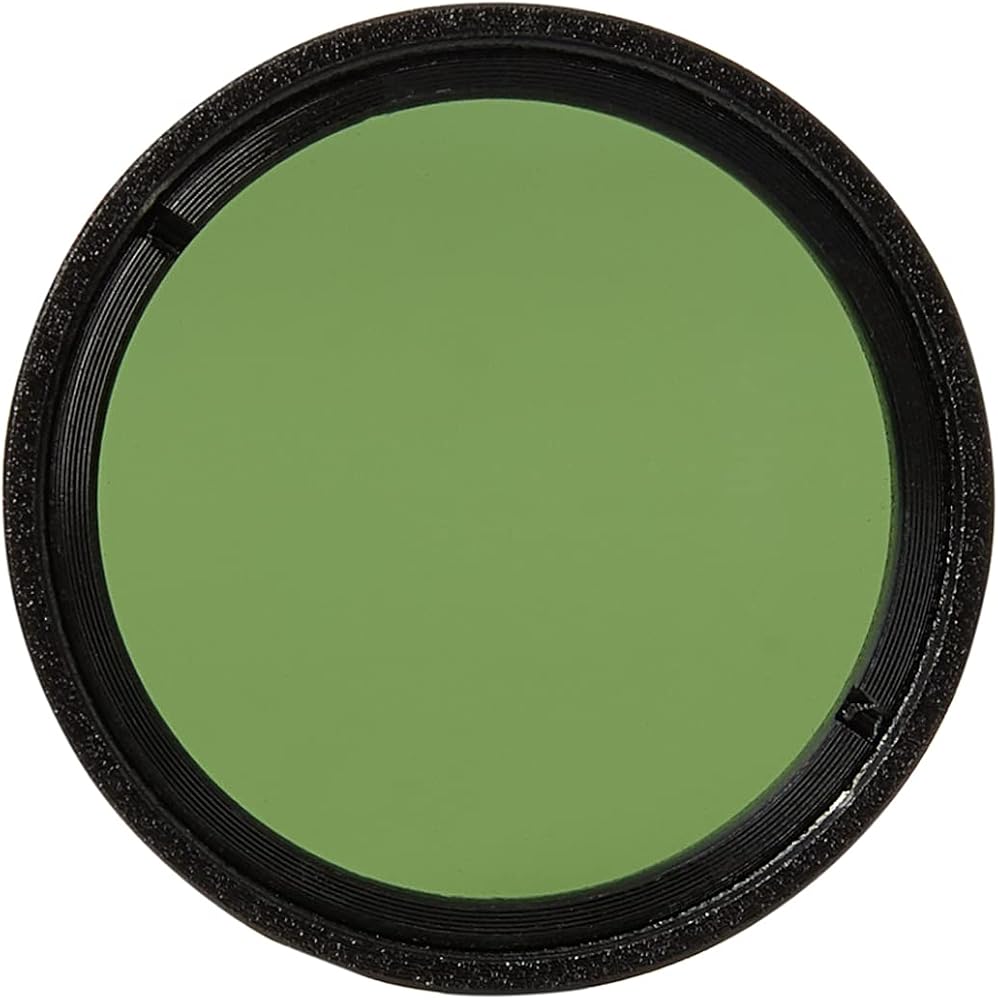
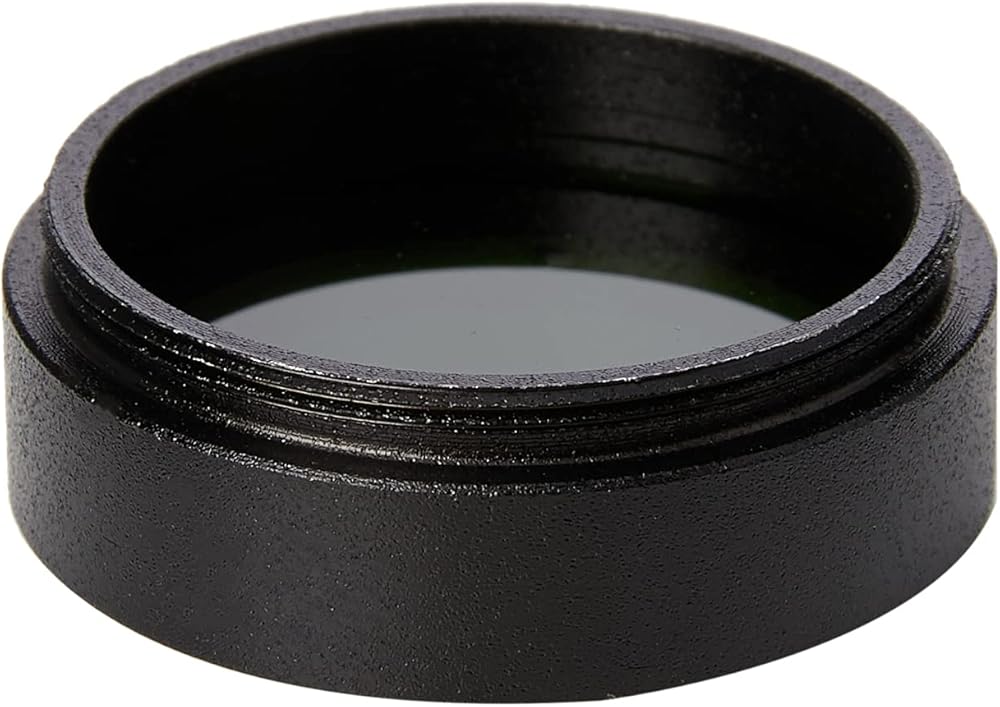
Celestron 93402 T-Ring Adapter for Nikon Digital CamerasA T-Ring is one of the first accessories you will need if you want to take pictures through a telescope or spotting scope. If you have a Nikon SLR or DSLR camera body, the Celestron Nikon T-Ring is the one for you. In order to use the Nikon T-Ring, remove the lens from your camera, and attach the T-Ring in its place, just as you would if you were mounting a lens. The telescope side of the T-Ring has threads that will accept a variety of camera adapters, including the Celestron T-Adapter or Tele-Extender. The adapter you choose depends on the type of photography you wish to do. You can take pictures of terrestrial and/or celestial scenes by using a simple T-Adapter to turn your telescope or spotting scope into a large telephoto lens. The #93633-A T-Adapter is the best choice if you own a Schmidt-Cassegrain telescope with standard rear cell threads. If you have a refractor, the Universal T-Adapter (#93625), with its 1-1/4” barrel insert, is available. There are also special T-Adapters for the EdgeHD optical system: one for the 8-inch EdgeHD (#93644) and one for the 9.25, 11, and 14-inch EdgeHD (#93646). Prime focus photography is popular for short exposure images of terrestrial objects as well as celestial objects like the Moon. If you need extra magnification beyond that which your Schmidt-Cassegrain telescope provides, a Tele-Extender (#93643) will allow you to insert an eyepiece inside the barrel before attaching it to the telescope. A Tele-Extender is used most often for high power images of the Moon and the planets.Celestron 94119-A 1.25 Inch Moon FilterCelestrons Moon Filters are economical eyepiece filters for reducing the brightness of the moon and improving contrast, so greater detail can be observed on the lunar surface. The clear aperture is 21mm for the 31.7mm filter. Transmission is about 18%The Moon has the distinction of being the most often viewed celestial object through backyard telescopes. It is undoubtedly beautiful and mysterious, and is one of those constants in our lives that connects us to every other being on our planet. Regardless of who we are or where we live or travel, we all look at the same moon. It is difficult to look at the Moon through a telescope and see all of the details due to its brightness. Our eyes are not ready for the bright beam of light that emits from the eyepiece, and they “stop down”, just as they would when you step out into the sunlight on a bright summer's day. When we're in the sunlight, we often wear sunglasses. They help us relax our eyes, protect us from glare, and help us see things more clearly. When amateur astronomers observe the Moon, we use a moon filter. A Celestron Moon Filter provides similar benefits to those of sunglasses...our eye relaxes and opens up to let us see more detail. This is especially important when observing the Moon when it is near full. The Celestron Moon Filter simply screws onto the insert barrel of most 1.25” eyepieces. It only takes a second or two to transform your regular eyepiece into one suited for lunar observations. A Moon Filter is also helpful when observing Venus or bright terrestrial scenes. This filter is not suitable for viewing the Sun.
 -30%
Celestron 48mm T-Adapter for EdgeHD 9.25", 11", and 14"
SAR 274
-30%
Celestron 48mm T-Adapter for EdgeHD 9.25", 11", and 14"
SAR 274
 -5%
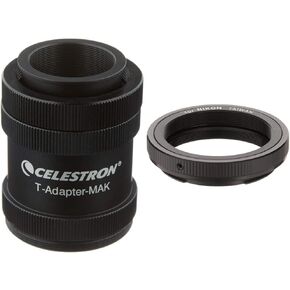
Celestron 93635-A T-Adapter for NexStar 4GT & 93402 T-Ring for Nikon Camera Attachment
SAR 257
-5%
Celestron 93635-A T-Adapter for NexStar 4GT & 93402 T-Ring for Nikon Camera Attachment
SAR 257
 Celestron CGX-L Equatorial Mount Without Tripod
SAR 16,889
Celestron CGX-L Equatorial Mount Without Tripod
SAR 16,889
 -6%
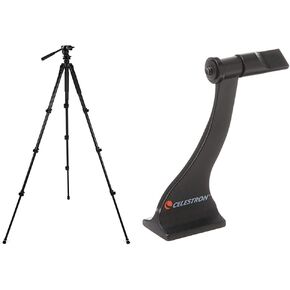
Celestron 82052 Tripod, Regal Premium (Black) & 93524 Roof and Porro Binocular Tripod Adapter, Black
SAR 1,037
-6%
Celestron 82052 Tripod, Regal Premium (Black) & 93524 Roof and Porro Binocular Tripod Adapter, Black
SAR 1,037