- Shopping, made easy.
- /
- Get the app!
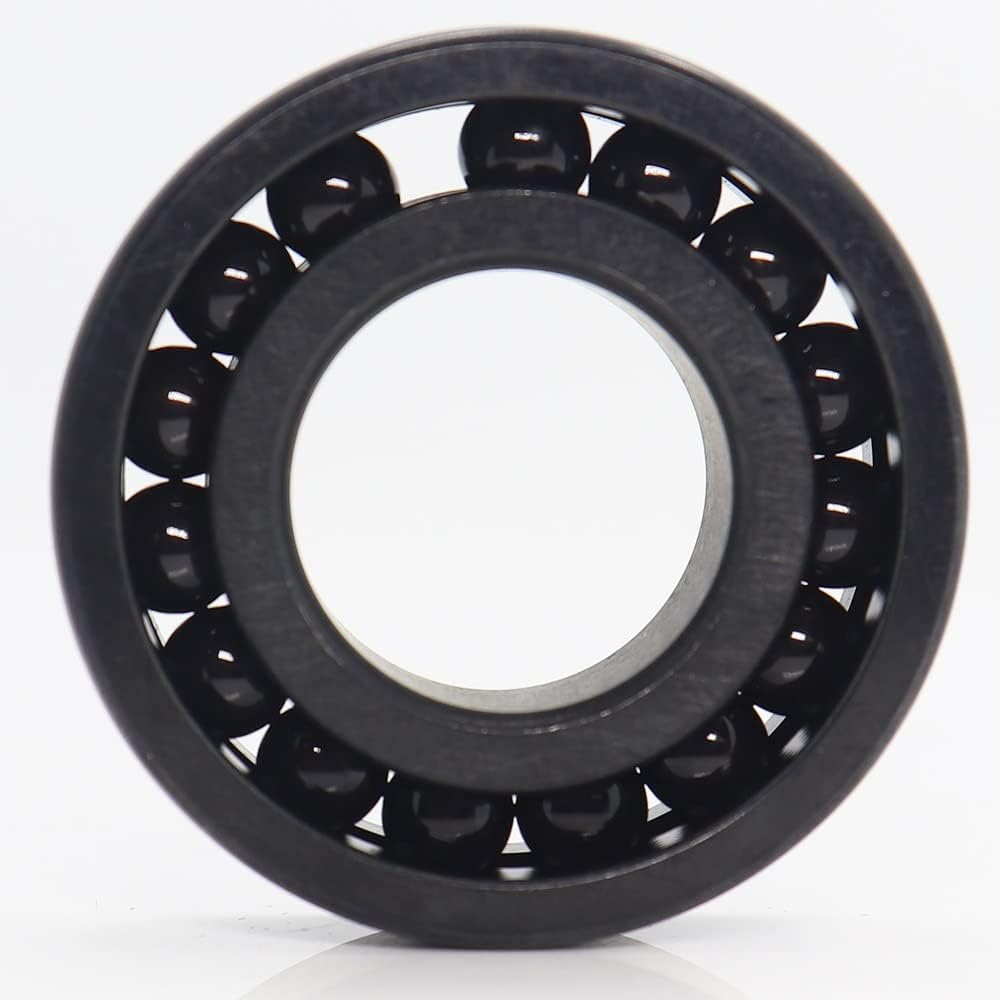
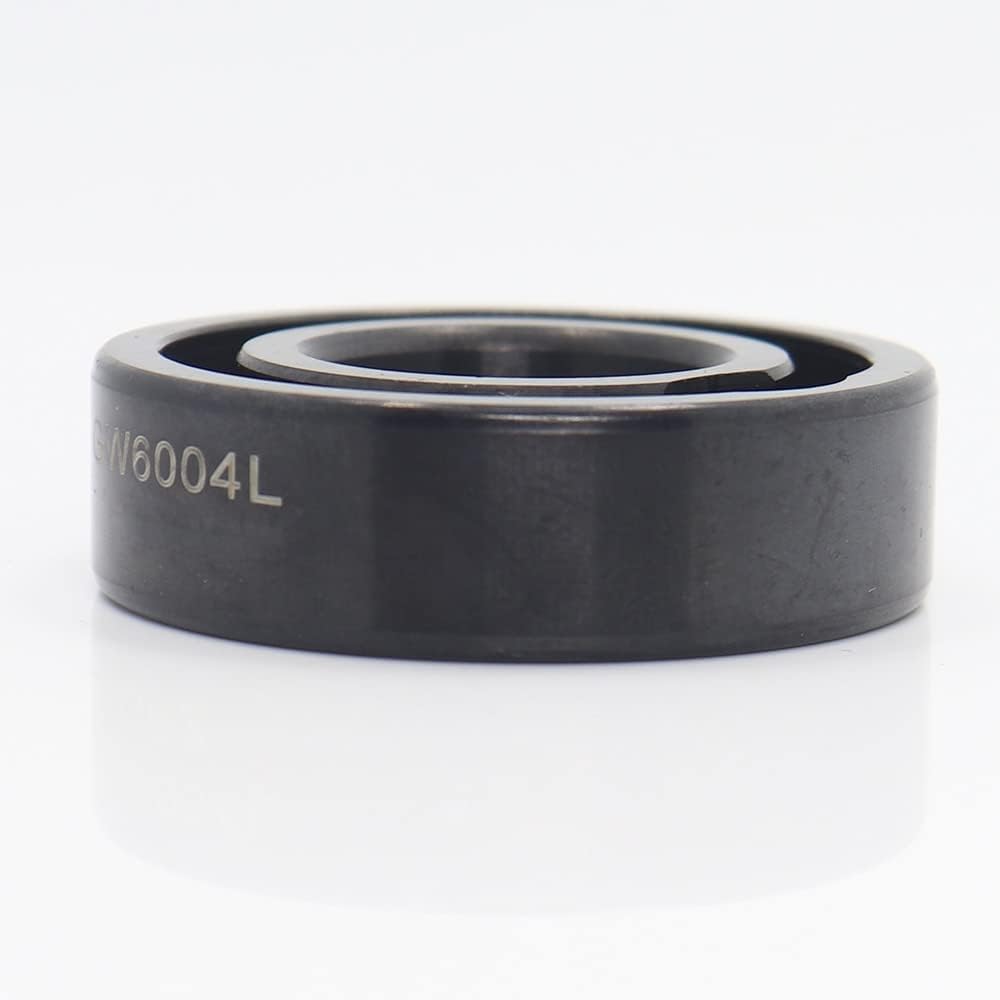
Why do you need high temperature bearings?
Bearings operating at high temperatures can be a problem for many reasons, including loss of radial clearance, lubricant degradation, and micro structural changes of ring and rolling element materials resulting in loss of hardness and dimensional instability.
These and other problems associated with high operating temperatures can be resolved with specialized heat treatment of rings, internal design considerations and proper material choices.
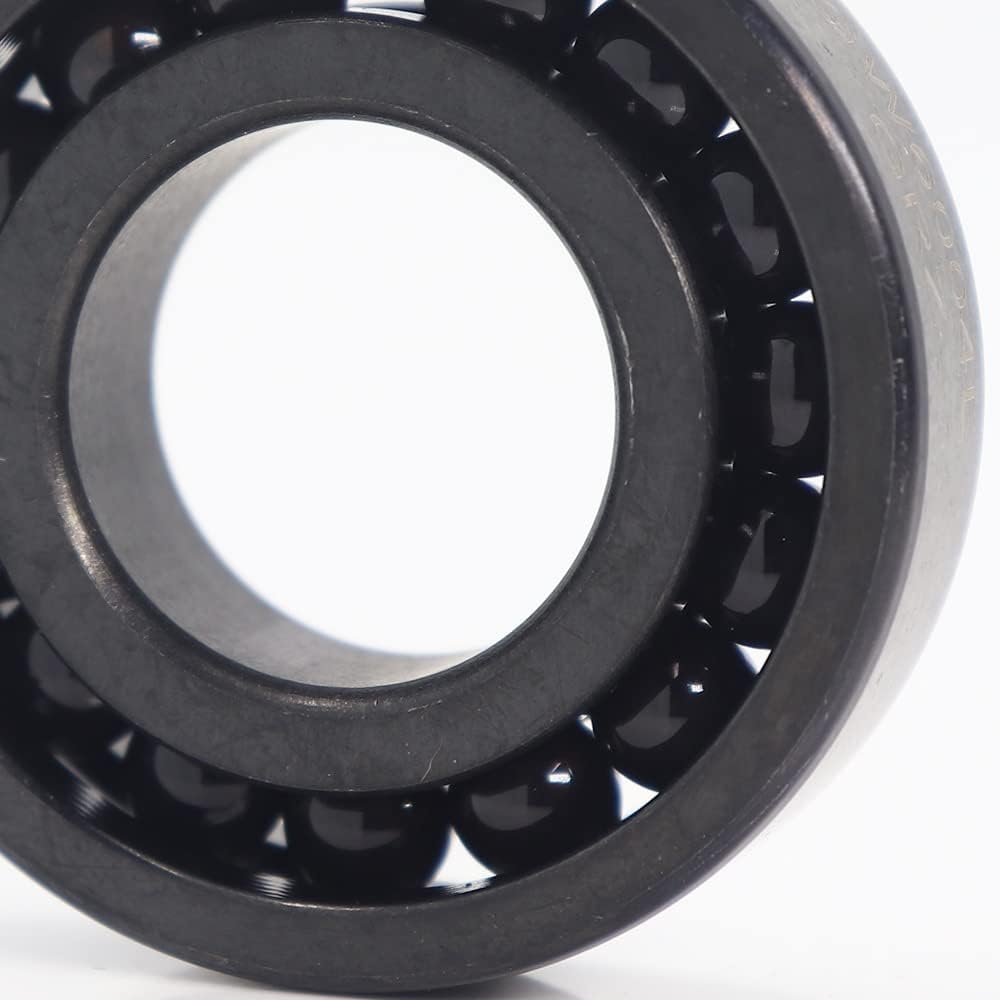
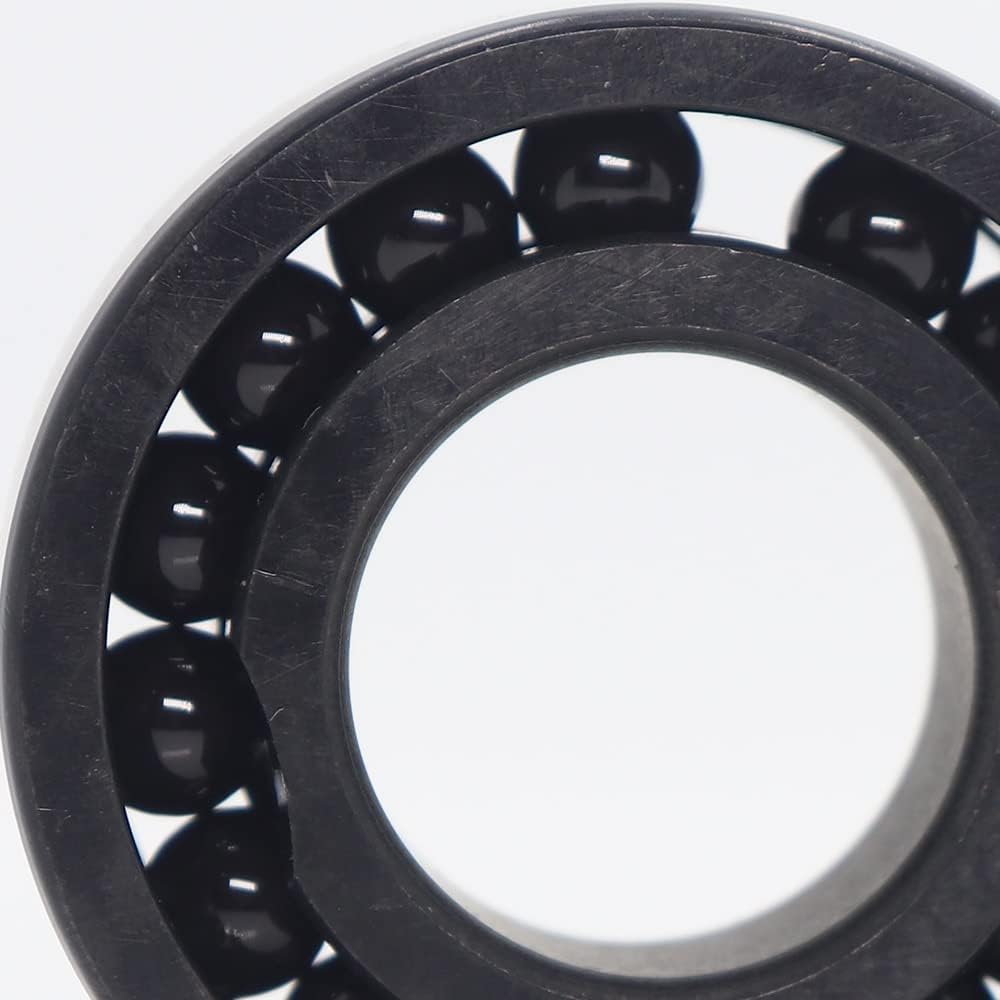
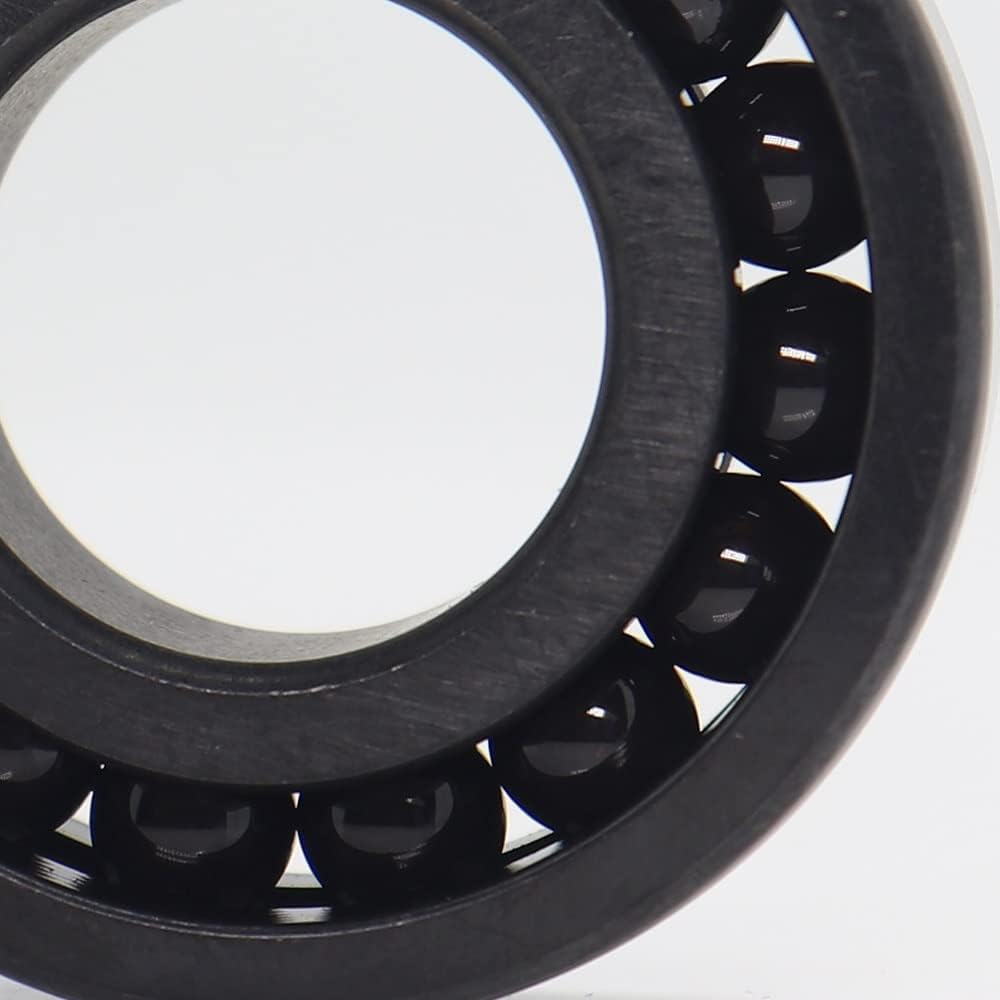
What is a high temperature bearing?
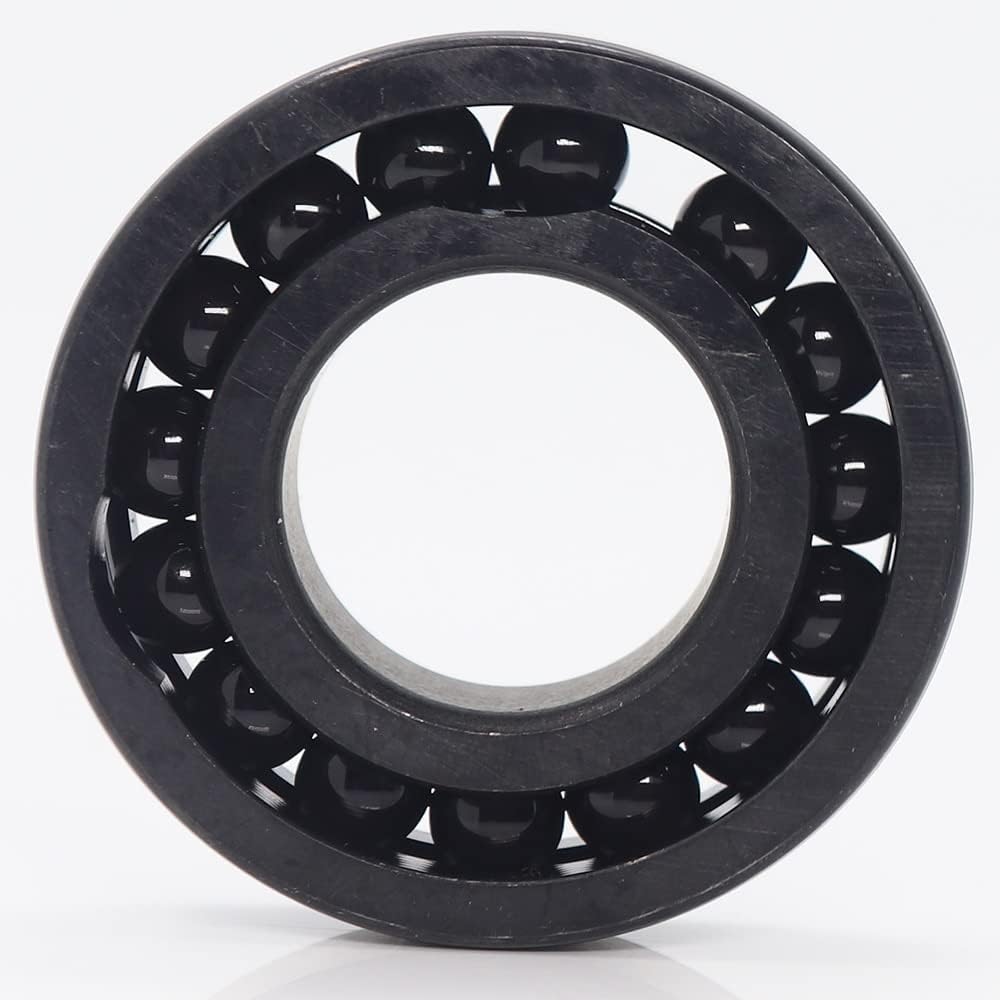
Generally speaking, the bearing used for working temperature above 150 °C, we call it high temperature bearing. When the working temperature exceeds 250 ° C, we must use high temperature steel bearings. In addition to the performance of general bearings, high temperature steel bearings also have a certain high temperature hardness and high temperature wear resistance, oxidation resistance, high temperature impact resistance, and high temperature stability.
In transmission machinery such as blast furnaces, metallurgy, and high-temperature equipment, high-temperature steel bearings must withstand extreme temperature differences. When the internal clearance is relatively large, the high temperature steel bearing can withstand an angular displacement of the outer race with respect to the inner race of 20-30 radians. Moreover, the clearance of high-temperature steel bearings is generally large, so that the bearing can be prevented from being caught in the case of rapid cooling. At the same time, high temperature steel bearings are also able to withstand moderate radial loads and small axial loads in both directions.
The surface of the high temperature steel bearing must also be specially treated so that it can prevent rust during operation and also improve its high temperature resistance. Moreover, high-temperature steel bearings are generally operated under low-speed operating conditions, so when selecting bearings, they shoul
 Baby Trash Racoon, 3D Printed Articulated Baby Racoon with Trash Can, Baby Grey and White Raccoon, Trash Panda, Articulated Racoon Fidget Toy for ADHD Autism AR001-B, Gray
SAR 74
Baby Trash Racoon, 3D Printed Articulated Baby Racoon with Trash Can, Baby Grey and White Raccoon, Trash Panda, Articulated Racoon Fidget Toy for ADHD Autism AR001-B, Gray
SAR 74
 BEEMAI AARU Garden Ancient Egypt Mythology Series 1 1PC Random Design Cute Figures Desktop Ornament Collectible Toys Birthday Gifts
SAR 84
BEEMAI AARU Garden Ancient Egypt Mythology Series 1 1PC Random Design Cute Figures Desktop Ornament Collectible Toys Birthday Gifts
SAR 84
 3D Printed Dragon with Dragon Egg, 12" Rainbow Cherry Blossom, Fidget ADHD Autism Toy, Executive Desk Toy D060-WE
SAR 105
3D Printed Dragon with Dragon Egg, 12" Rainbow Cherry Blossom, Fidget ADHD Autism Toy, Executive Desk Toy D060-WE
SAR 105
 1/64 Scale Parking Lot,Model Building,Layout,Nonslip Underground Garage Mini Diecast Garage Scene Display for Vehicle Toy, Style B
SAR 50
1/64 Scale Parking Lot,Model Building,Layout,Nonslip Underground Garage Mini Diecast Garage Scene Display for Vehicle Toy, Style B
SAR 50