- Shopping, made easy.
- /
- Get the app!
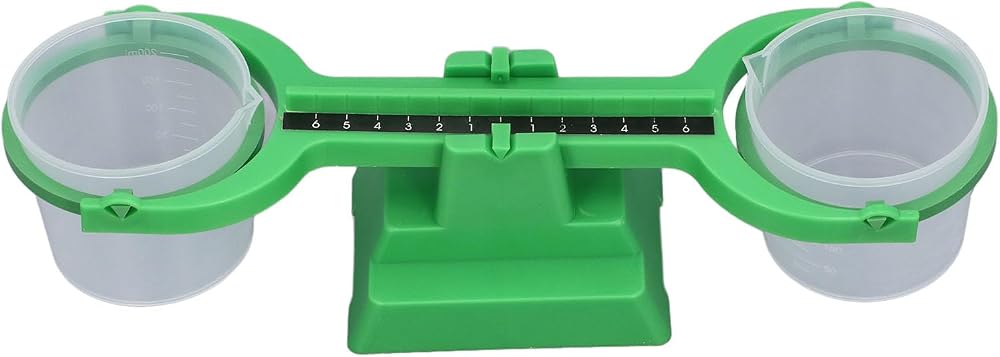
1. EFFECTIVE AND SAFE: This simple scale is designed for students with their learning needs and interests in mind, it is durable and efficient, ensuring students have a safe and reliable measuring experience while exploring the joys of science.
2. LONG LASTING MATERIAL: Made of excellent plastic, the scale can be used for a long time and is not easily damaged in classroom or home. So students can play and learn without worrying about the durability of the equipment.
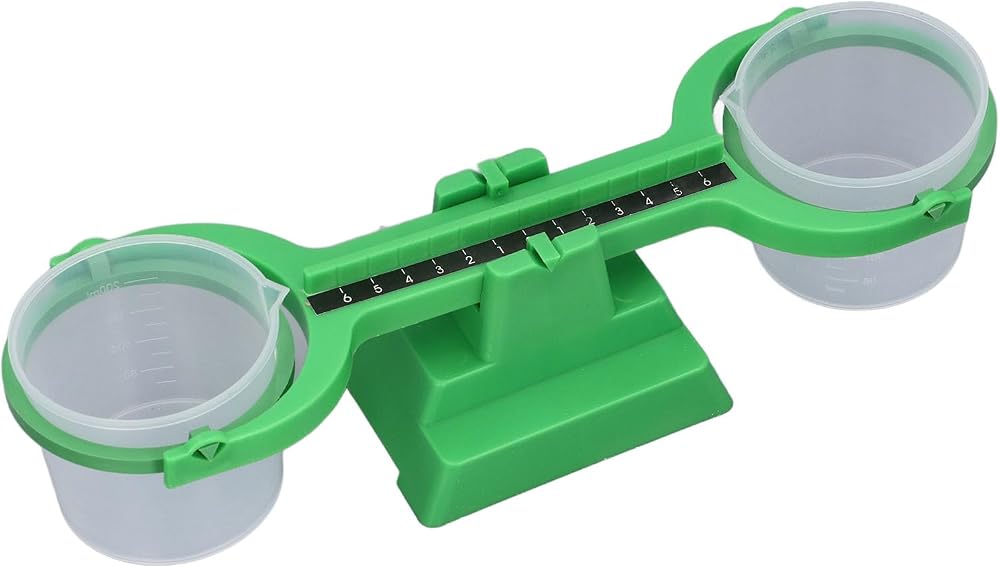
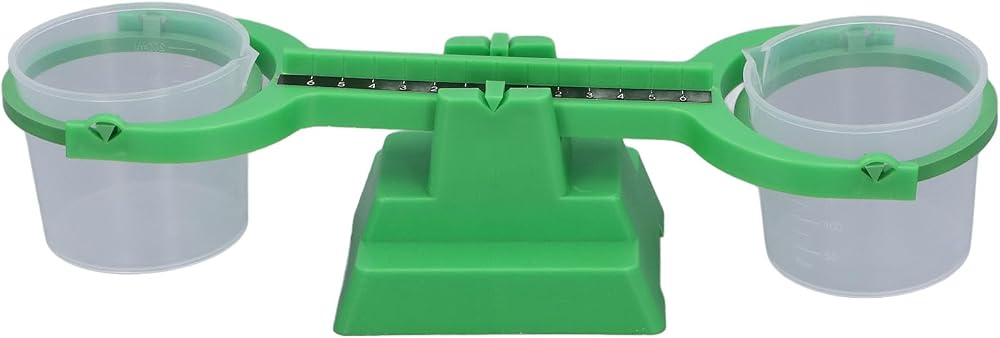
3. WITH SCALE, EASY COMPARISON: The scale has a clear scale, so that students can easily compare the mass of different objects. It not only helps develop students' measurement skills, but also allows them to understand the concept of quality more intuitively.
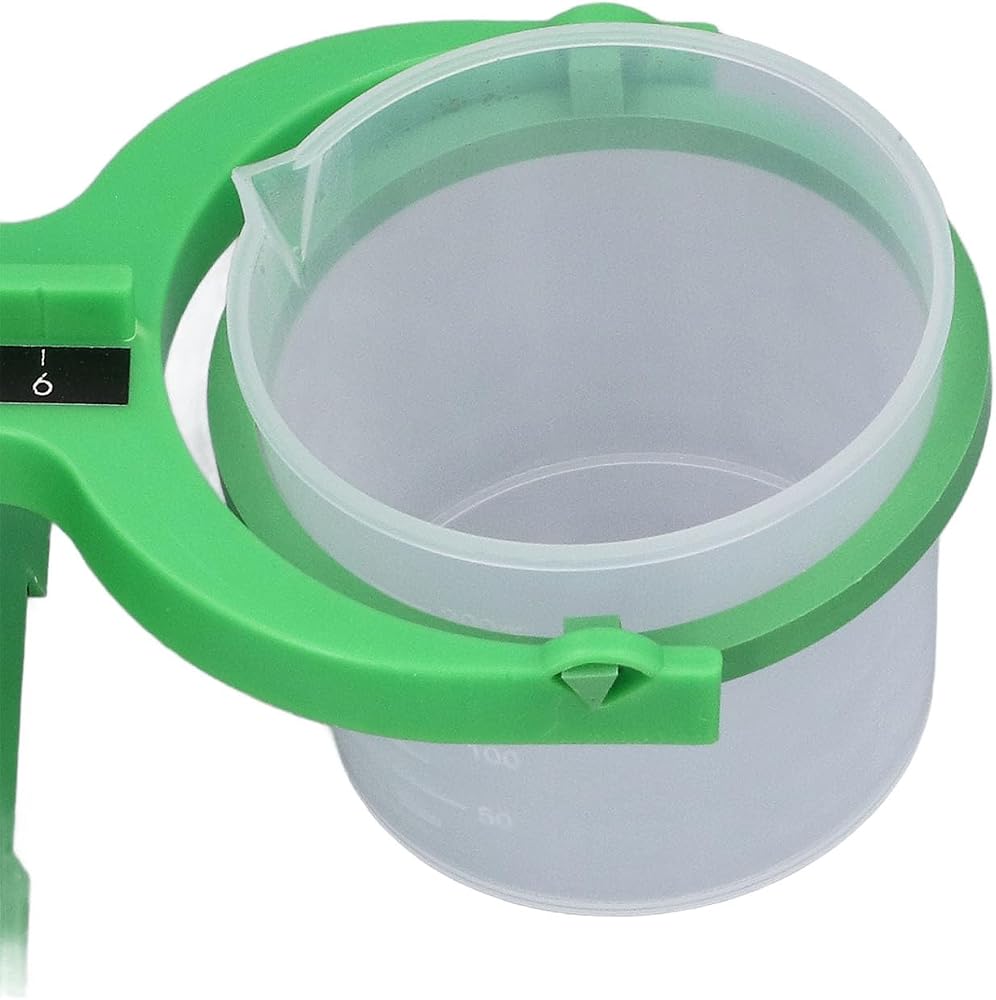
4. EXPLORE VOLUME: The clear plastic scale allows students to observe and compare the volume of solids and liquids. This design engages students' curiosity about volume and measurement, allowing them to develop observation and estimation skills in their exploration.
5. YEARS OF PRACTICAL MEASUREMENT FUN: This simple scale is not only suitable for use in the classroom, but also as a teaching aid in the family game room. Durability and efficiency ensure that students can enjoy years of hands-on measurement and constantly improve their scientific knowledge and skills.
Specifications:
Item Type: Scale Toy
Material: plastic
Use: Ideal for exploring basic measurement concepts and activities, for hands-on learning in the classroom or at home.
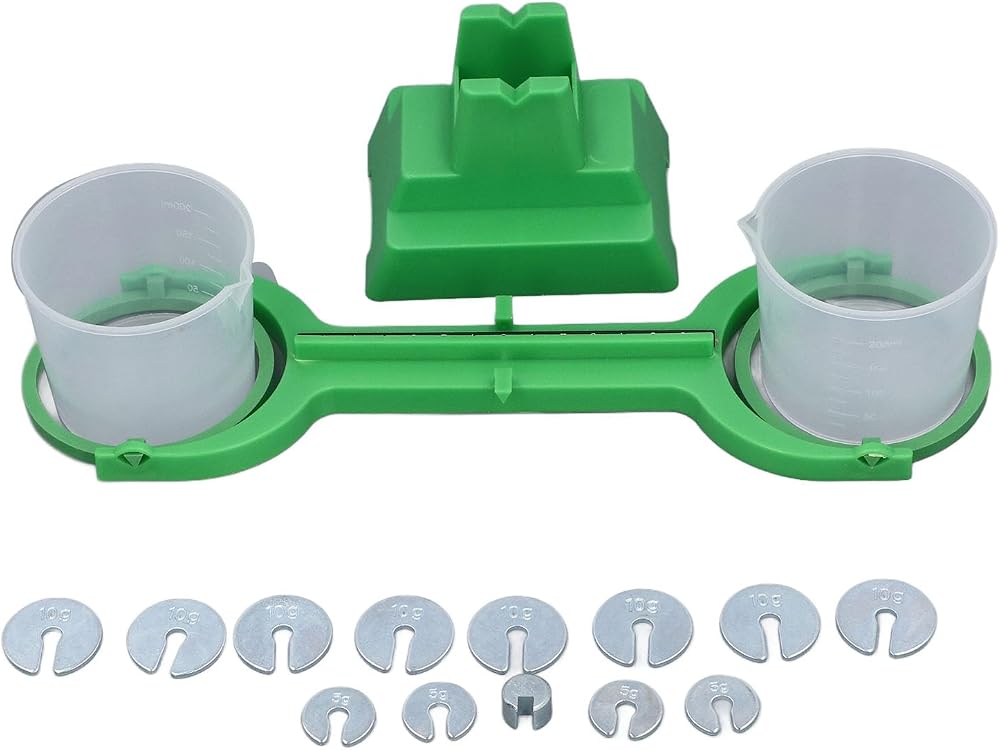
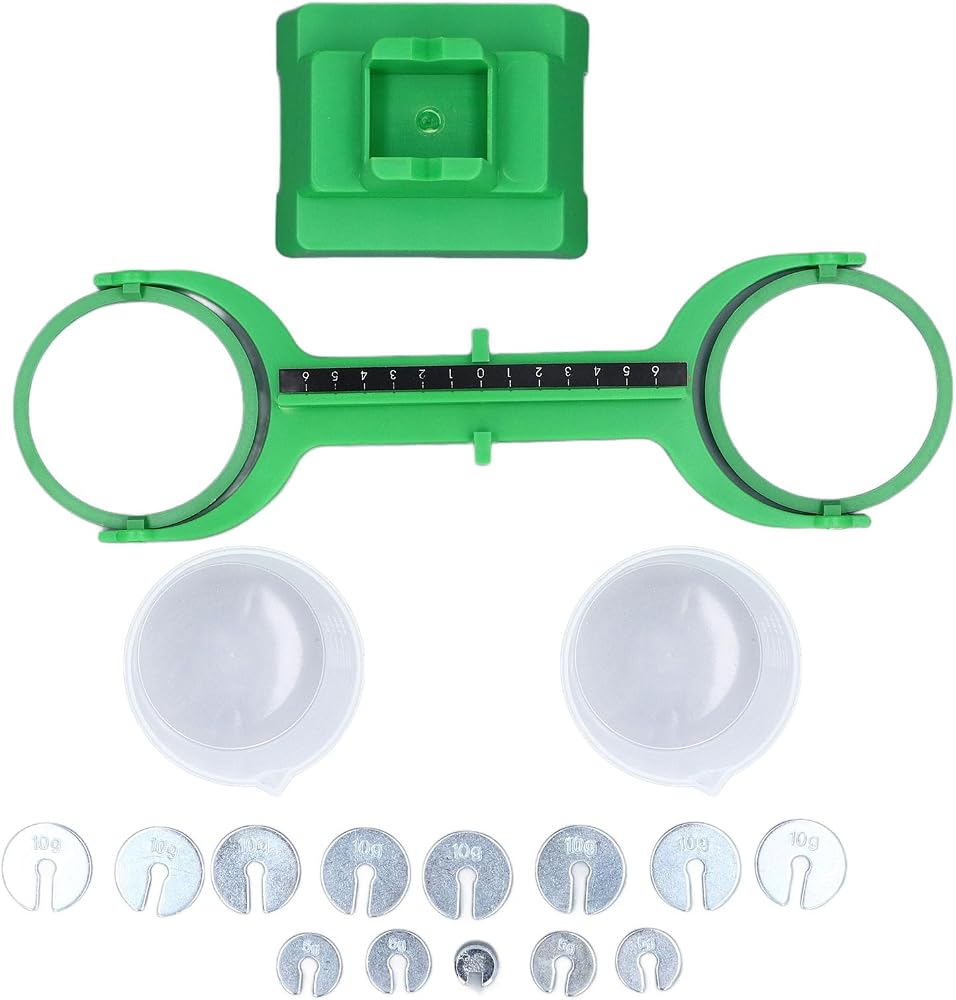
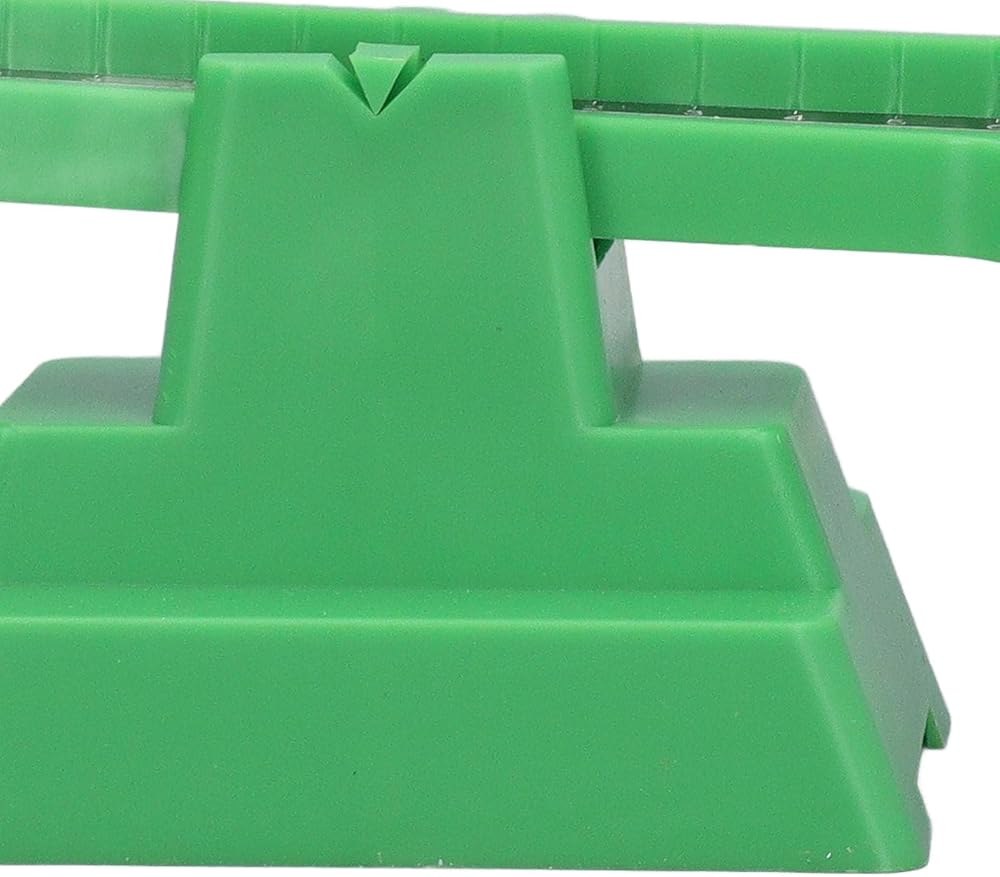
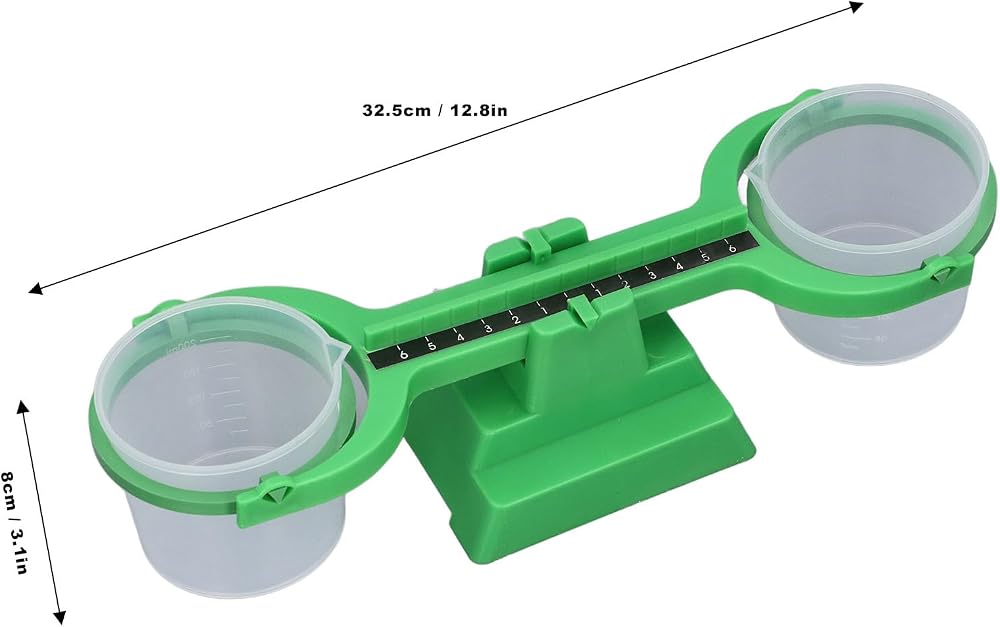
Performance and Construction: The simple scale consists of a base, a beam, 2 tray cylinders (200ml plastic cups), a sliding weight, 8 x 10g calibration weights and 4 x 5g calibration weights. The main components of the simple scale are made of technical plastic. The beam is marked with reading scale lines and equipped with a sliding weight to read the weight measurements. The minimum reading accuracy of each grid scale line is 1g. The tray cylinder is a 200ml plastic cup that can be used to measure solid substances of general geometric shapes and liquid fluids. Calibration weights are made of metal, with a configuration of (10g x 8) + (5g x 4) = 100g.
How to use:
1. Assemble the scale into a usable state by fixing the beam to the base and placing the tray on the right bracket. The swing cylinder should be placed on the right bracket and the beam should be in a basically horizontal position with the slider at 0.
2. When weighing an object, it is best to first estimate the total mass and then use an appropriate number of weights. Only when the weights are close to the correct weight can the slider be moved to determine the weight of the object.
3. Weight reading: When the slider is in a basic horizontal position, the weight of the object can be read. The weight of the object is equal to the total weight of the weights plus the corresponding value of the slider.
For example: If a certain object is placed on the right swing cylinder and the left swing cylinder has 6 10g weights and 1 5g weight, with the slider at position 3 and the beam basically horizontal, the weight of the object should be calculated as (6 × 10g) + 5g + 3g = 68g.
Packing List:
1 beam
1 base.
2 graduated cylinders of 200 ml.
1 slider.
8 x 10g weight
4 x 5g weight
Notice:
1. Before weighing, check whether the scale is approximately balanced, whether there are impurities on the pan, and whether the scale and pan should be kept clean to avoid affecting normal use.2. After each use, place the sliders and weights in the designated position to avoid loss.
 Shifter Cable Pin, Shifter Unit Cable Clip Pin Mounting Iron Hardware KTD‑CAB‑HRD Fit for EK EG K Swap Manual Transmissions and Parts
SAR 61
Shifter Cable Pin, Shifter Unit Cable Clip Pin Mounting Iron Hardware KTD‑CAB‑HRD Fit for EK EG K Swap Manual Transmissions and Parts
SAR 61
 7/8'' Universal Motorcycle Engine Stop Start Kill Switch,Motorbike Waterproof On Off Start Kill Switch for ATV,Dirt Pit Bike,Scooter,Quad
SAR 51
7/8'' Universal Motorcycle Engine Stop Start Kill Switch,Motorbike Waterproof On Off Start Kill Switch for ATV,Dirt Pit Bike,Scooter,Quad
SAR 51
 Kids Swimming Fins, 1 Paar Kids Diving Short Flippers PVC Swimming Training Fins Lightweight Scuba Flippers
SAR 89
Kids Swimming Fins, 1 Paar Kids Diving Short Flippers PVC Swimming Training Fins Lightweight Scuba Flippers
SAR 89
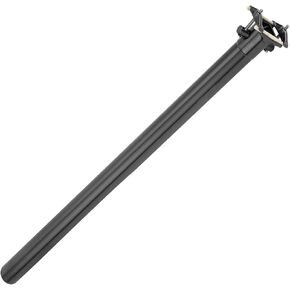 Keenso Seatpost Folding Bike, Aluminum Alloy Bicycle Seatpost 33.9mm 80KG Folding Cycling Road Mountain Bike Seat Post Tube(Black) Bicycles & Parts Bicycle and Spare Parts
SAR 281
Keenso Seatpost Folding Bike, Aluminum Alloy Bicycle Seatpost 33.9mm 80KG Folding Cycling Road Mountain Bike Seat Post Tube(Black) Bicycles & Parts Bicycle and Spare Parts
SAR 281