Search

Home / Generic
Korean Jeoseung saja boys GAT Korea Traditional Yangban HAT Special Costume for men in Saudi Arabia Korean Jeoseung saja boys GAT Korea Traditional Yangban HAT Special Costume for men in Saudi Arabia Korean Jeoseung saja boys GAT Korea Traditional Yangban HAT Special Costume for men in Saudi Arabia Korean Jeoseung saja boys GAT Korea Traditional Yangban HAT Special Costume for men in Saudi Arabia Korean Jeoseung saja boys GAT Korea Traditional Yangban HAT Special Costume for men in Saudi Arabia Korean Jeoseung saja boys GAT Korea Traditional Yangban HAT Special Costume for men in Saudi Arabia Korean Jeoseung saja boys GAT Korea Traditional Yangban HAT Special Costume for men in Saudi Arabia Korean Jeoseung saja boys GAT Korea Traditional Yangban HAT Special Costume for men in Saudi Arabia Korean Jeoseung saja boys GAT Korea Traditional Yangban HAT Special Costume for men in Saudi Arabia

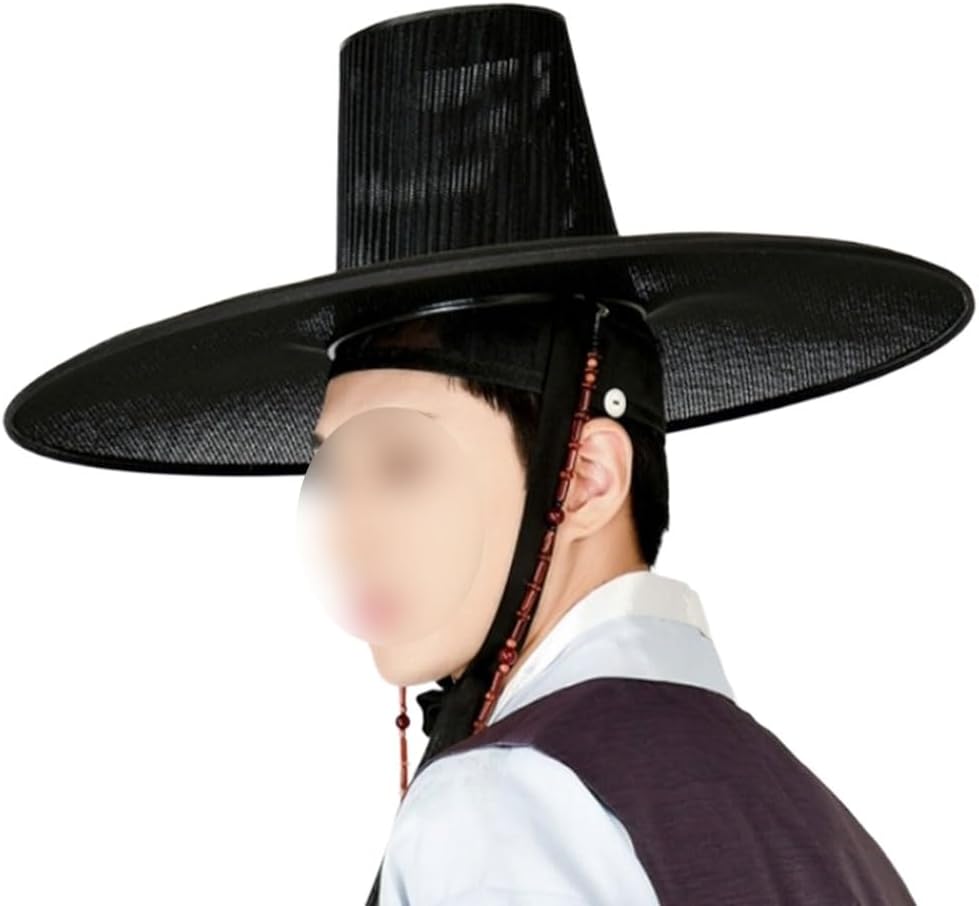
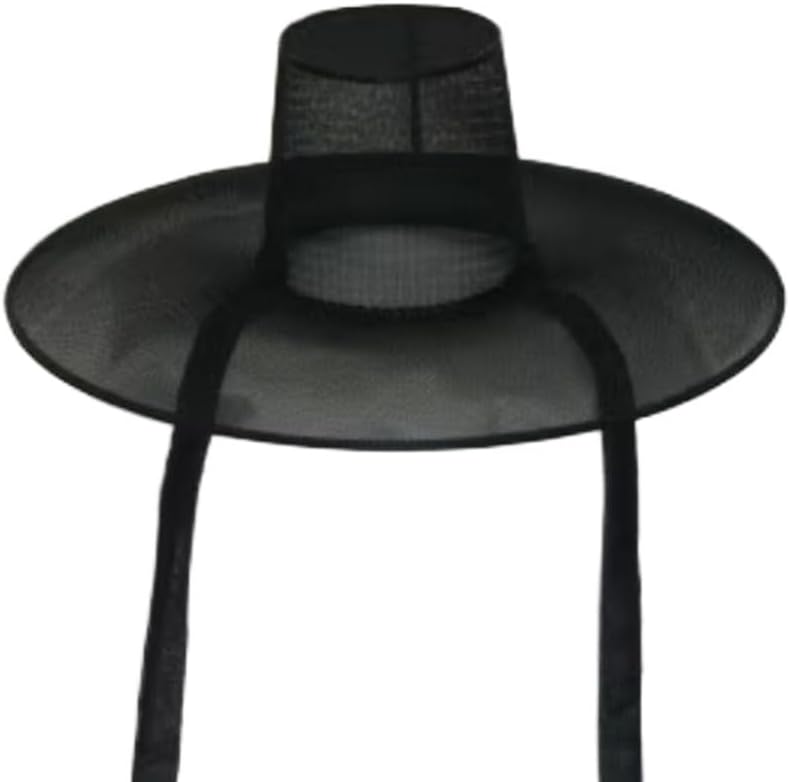
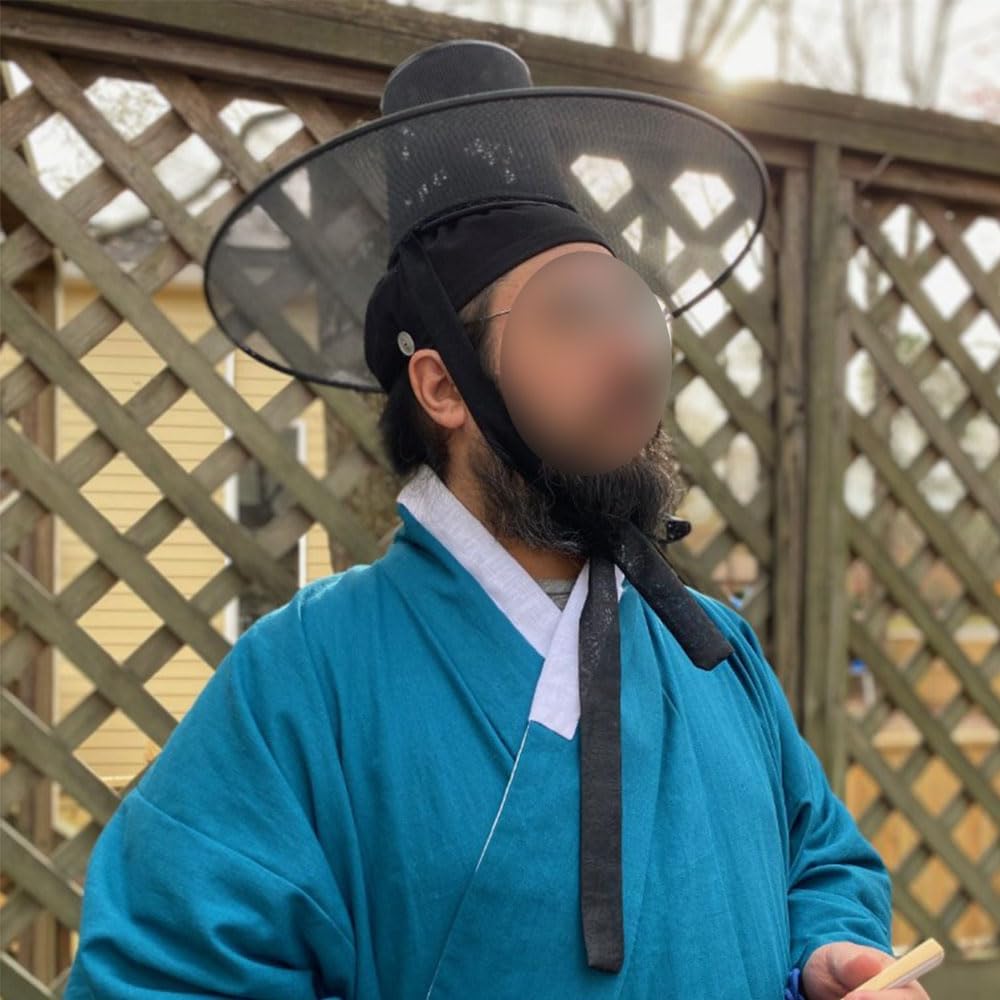
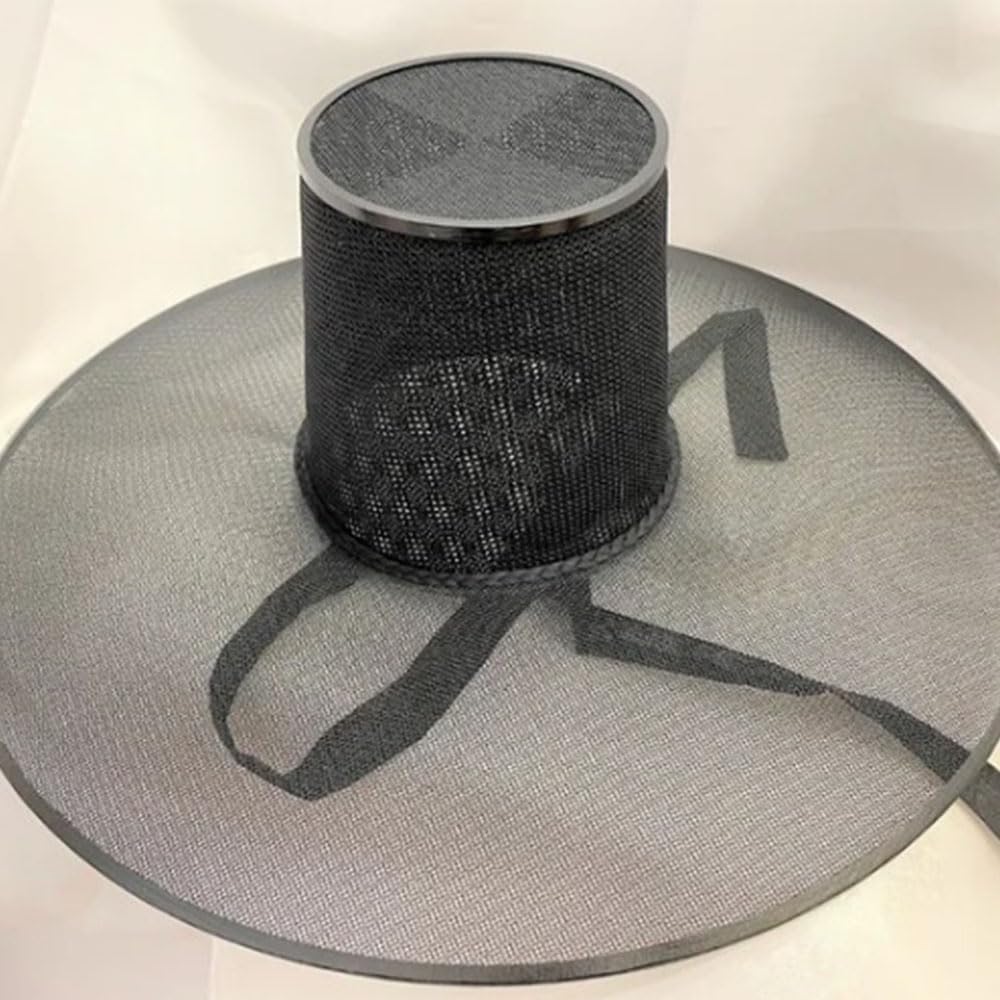
Korean Jeoseung saja boys GAT Korea Traditional Yangban HAT Special Costume for men

SAR 360

Brand
Generic
Weight
99 g
1 +

Special Features

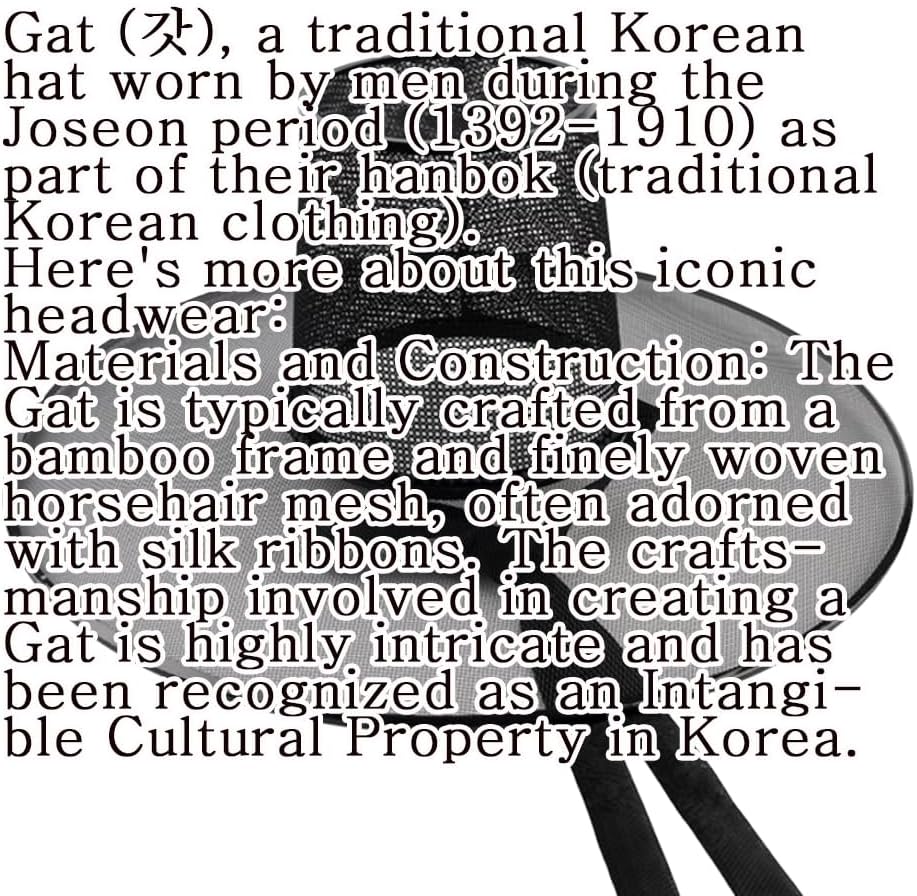
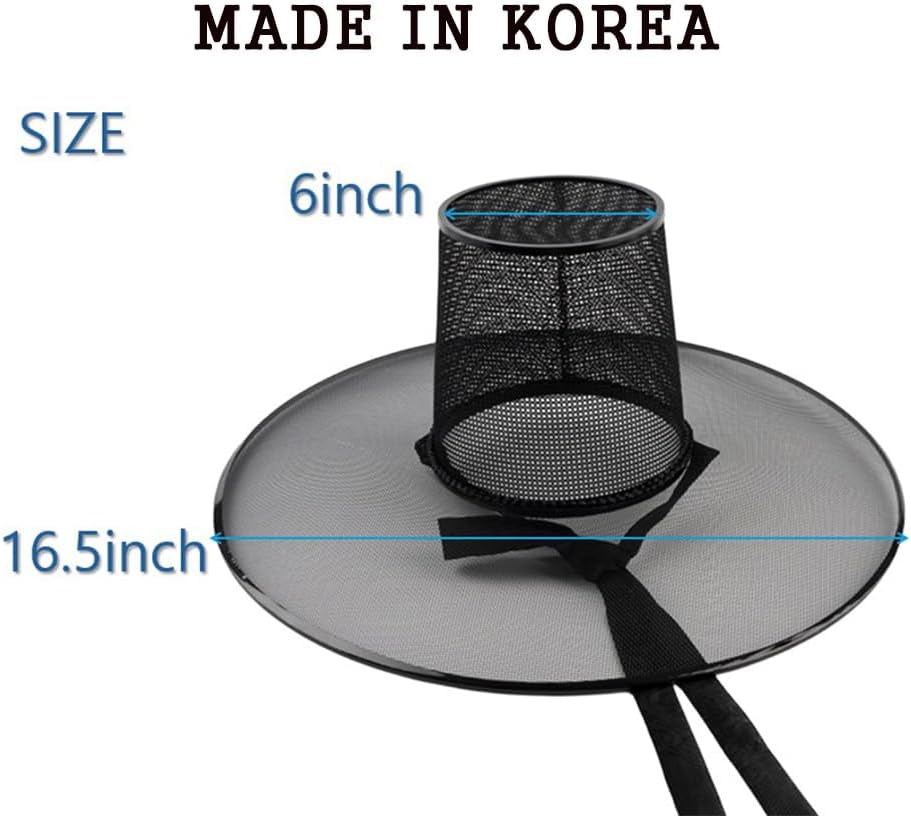
  • 1. What is the Gat Hat made of? The traditional Gat is primarily made from a bamboo frame and finely woven horsehair mesh, often finished with silk ribbons.
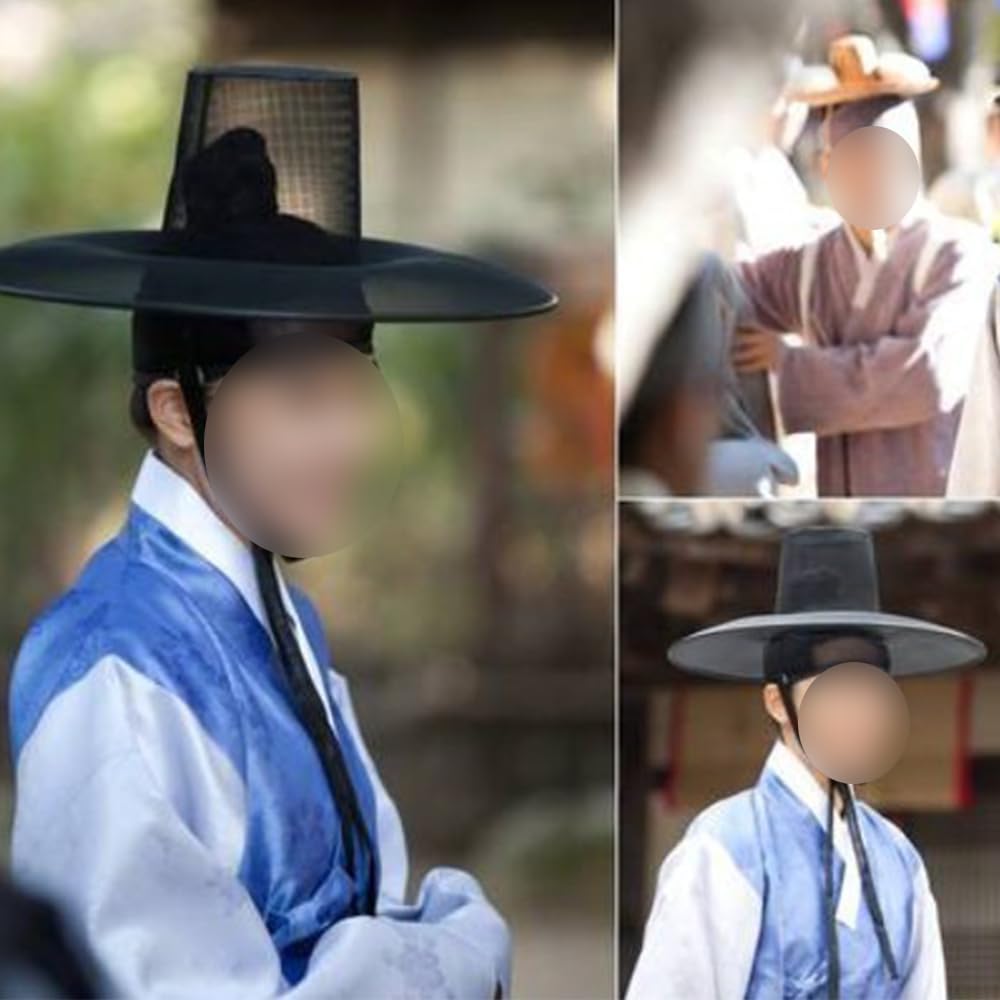
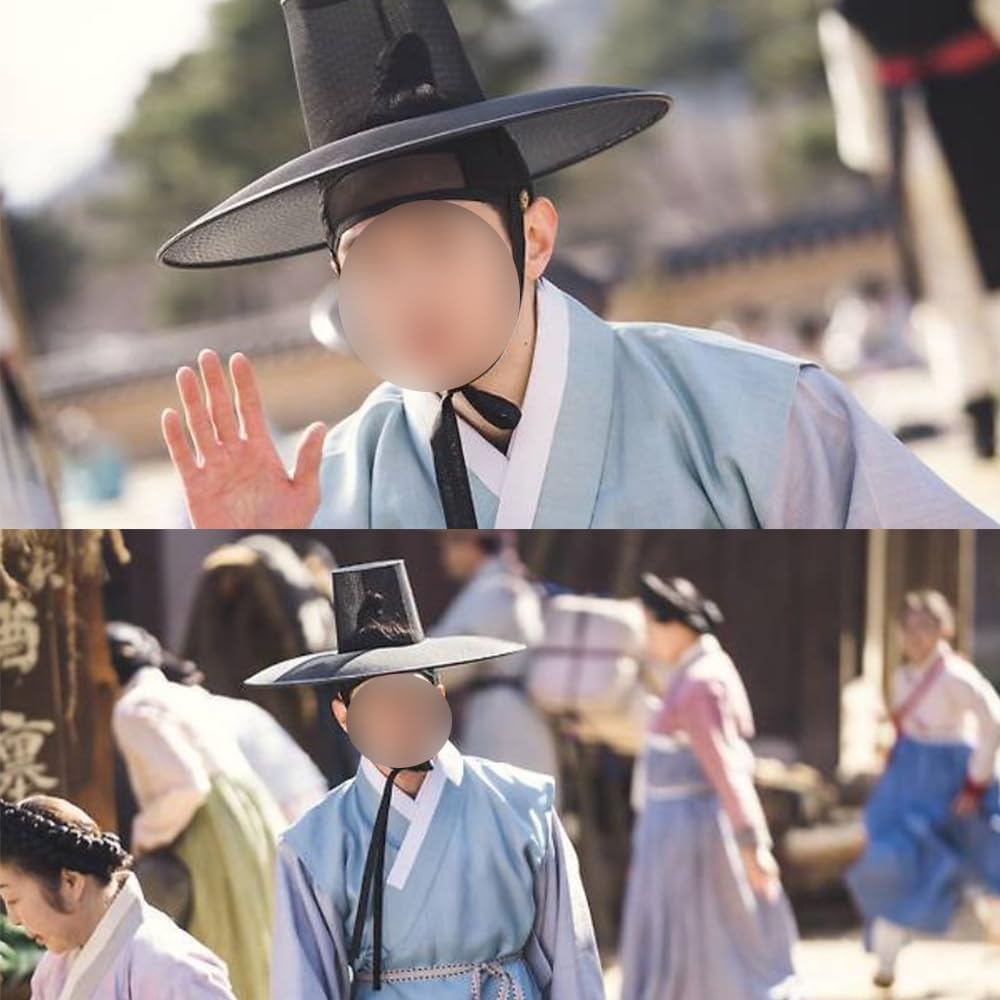
  • 2. Who wore the Gat Hat in historical Korea? The Gat was typically worn by upper-class men, scholars, and officials during the Joseon Dynasty, symbolizing status and Confucian values.
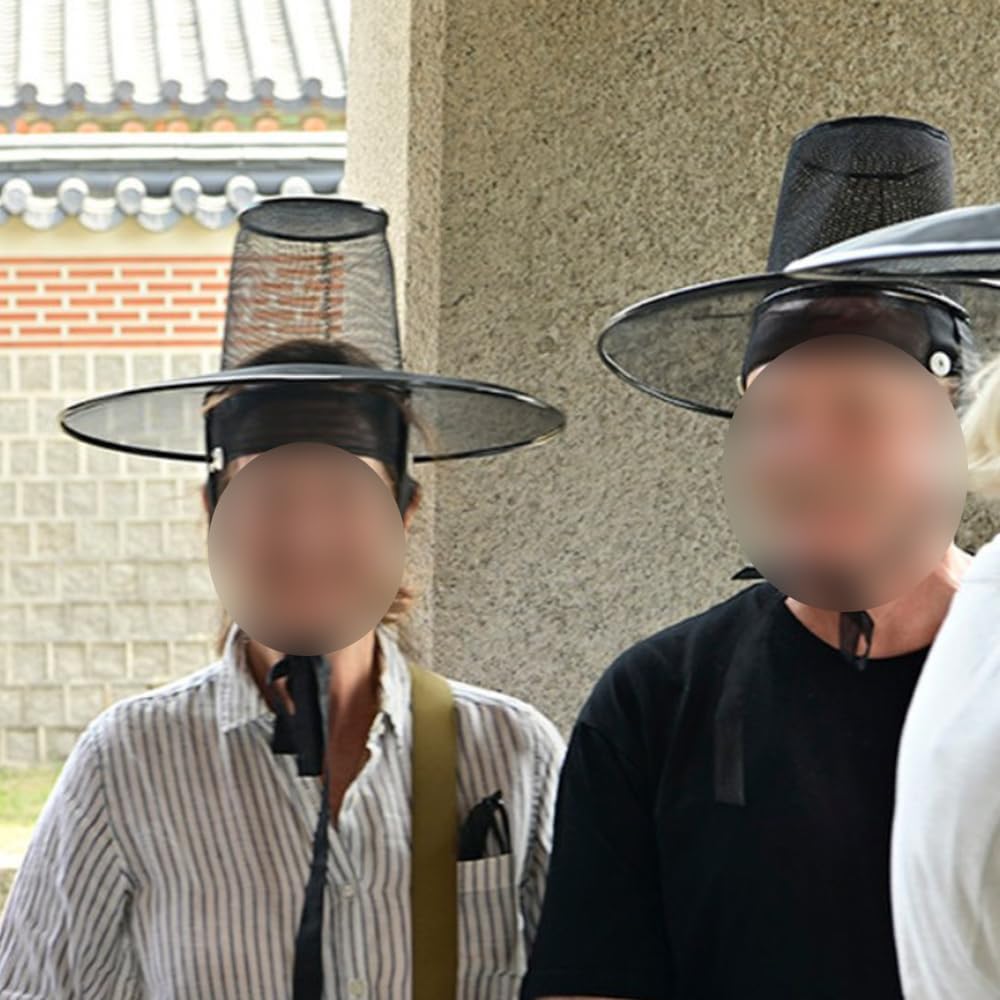
  • 3. Can you still see or wear the Gat Hat today? Yes! The Gat is featured in historical dramas, cultural festivals, and costume experiences in Korea. Some contemporary designers also incorporate Gat-inspired elements into modern fashion.
  • 4. Are there different types of Gat Hats? Absolutely. There are several types, including the black Heukrip, white Baekrip, and simpler Jikgat, each with its own significance.
  • 5. What does the Gat Hat symbolize? The Gat represents social status, adulthood, Confucian morality, and cultural identity in Korean society.

Description

A Korean gat (갓) is a traditional cylindrical hat with a wide brim, made of woven horsehair or bamboo. Worn by men during the Joseon Dynasty, it was a practical accessory that evolved into a powerful symbol of the wearer's social status, dignity, and Confucian values

Related Items


{"error":"Error","cart_limit":"You have too many items in your cart.","prod_limit":"You cannot add any more of this item"}