- Shopping, made easy.
- /
- Get the app!
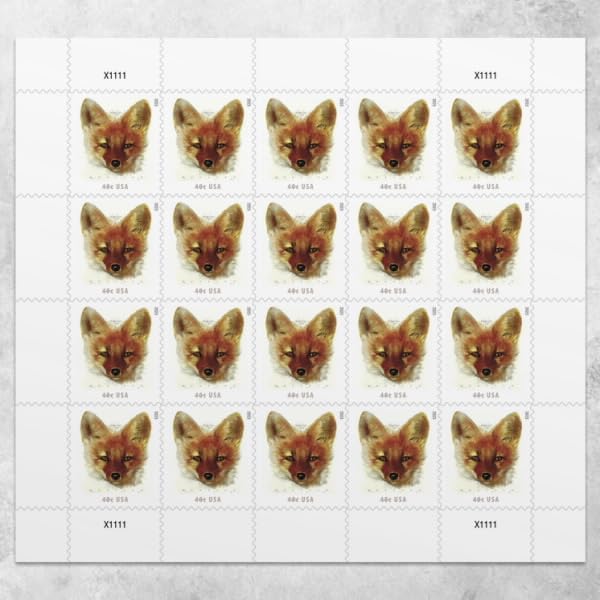
Intelligent and highly adaptable, the red fox is well known to Americans coast to coast, including much of Alaska, absent only from Hawaii and parts of the Southwest. Foxes are found not only in woodlands and open country, but also in suburbs and cities. Versatile omnivores, they hunt rodents, birds, fish, insects, and invertebrates, and also eat nuts, roots, berries, and more. The fox's large ears and keen senses are invaluable for pursuing prey.
The red fox is named for its most common rusty coloration, which includes darker forelegs and white fur both on the animal's underside and on the tip of its bushy tail. Some individuals are gray or white. The fox vixen gives birth to several helpless young as winter turns to spring. The kits emerge from their underground den after several weeks of parental care. By autumn, the kits will be fully grown.
Red foxes are versatile omnivores, hunting rodents, birds, fish, insects and invertebrates. They also eat nuts, roots, berries, and more. The fox's large ears and keen senses are invaluable for pursuing prey.
 Constance Baker Motley 2024, Black Heritage (Sheet of 20) First-Class Mail Forever Postage Stamps
SAR 136
Constance Baker Motley 2024, Black Heritage (Sheet of 20) First-Class Mail Forever Postage Stamps
SAR 136
 Chrysanthemum 2020 Global International Mail (2 Stamps) Forever Postage Stamps
SAR 53
Chrysanthemum 2020 Global International Mail (2 Stamps) Forever Postage Stamps
SAR 53
 -13%
Christmas Madonna and Child 2024 (Book of 20) First-Class Mail Forever Postage Stamps
SAR 136
-13%
Christmas Madonna and Child 2024 (Book of 20) First-Class Mail Forever Postage Stamps
SAR 136
 John Fitzgerald Kennedy 1917-1963, JFK (Sheet of 12) First-Class Mail Forever Postage Stamps 2017 Scott #5175
SAR 146
John Fitzgerald Kennedy 1917-1963, JFK (Sheet of 12) First-Class Mail Forever Postage Stamps 2017 Scott #5175
SAR 146