- Shopping, made easy.
- /
- Get the app!
1.Product Specifications
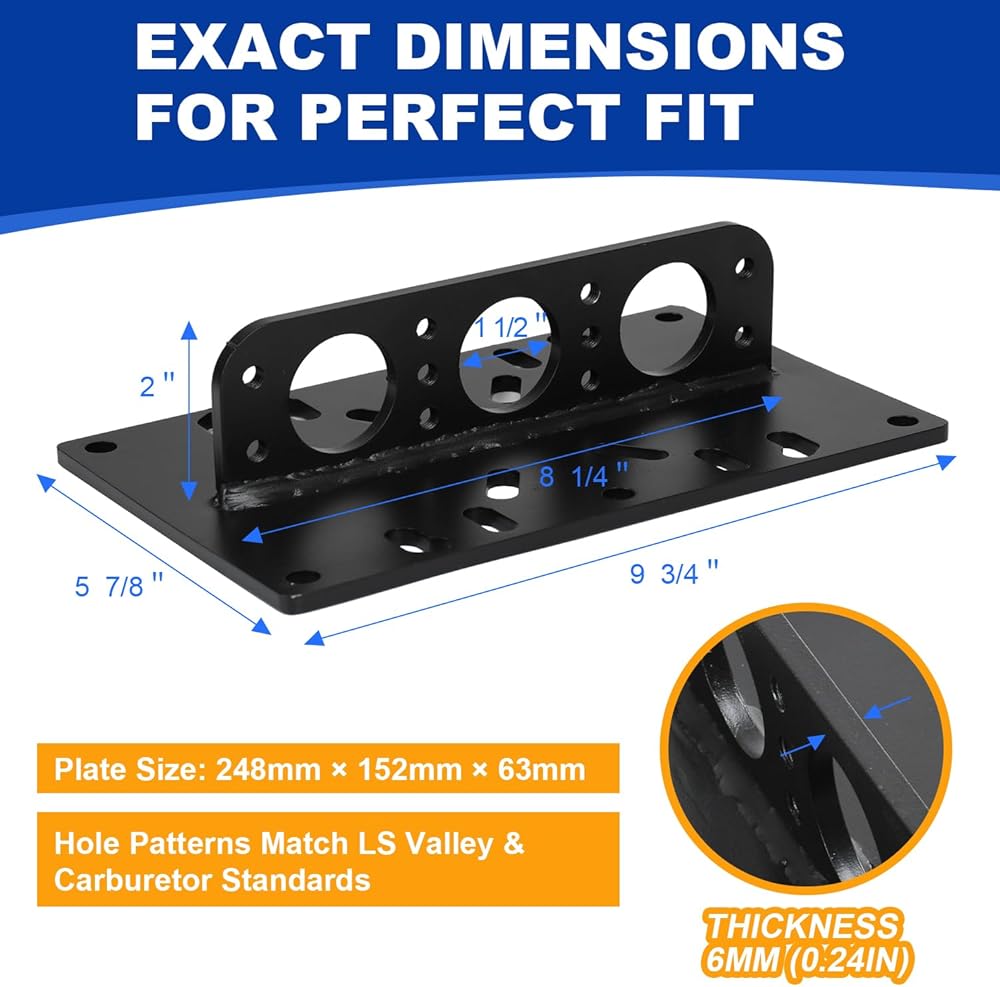
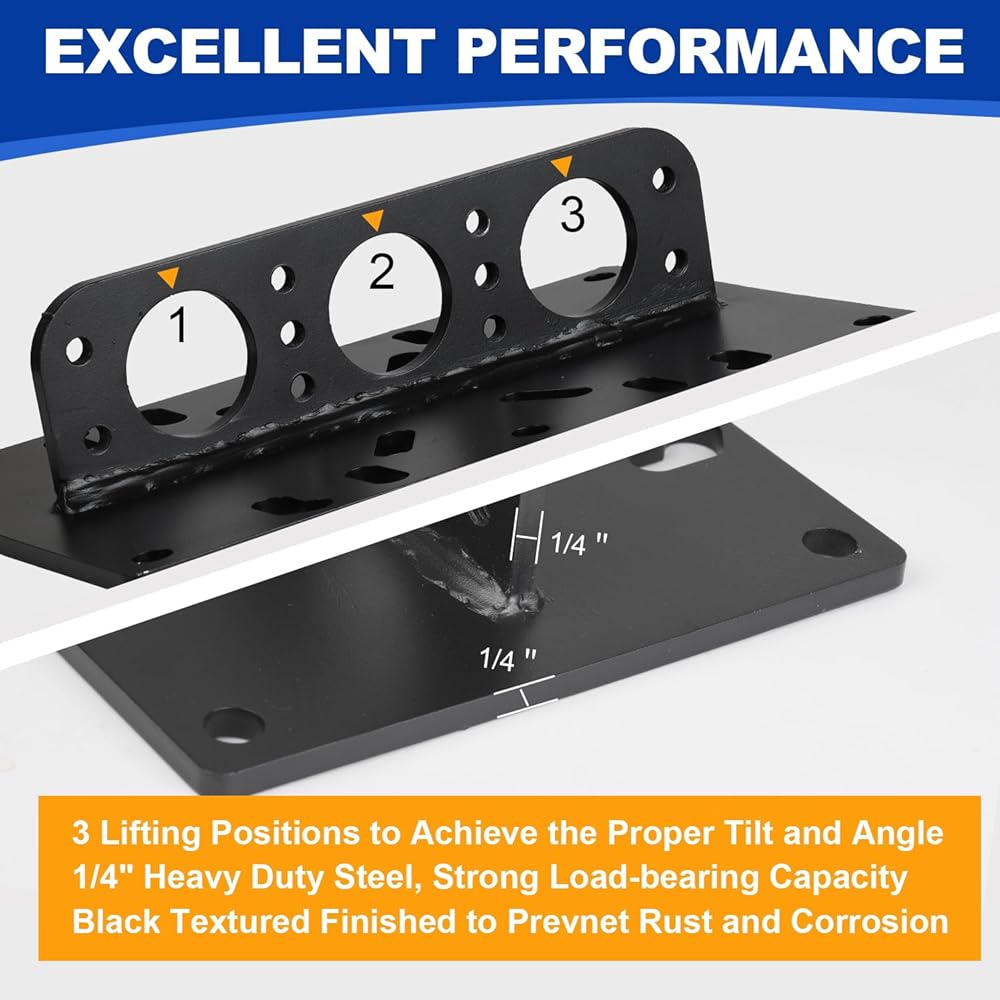
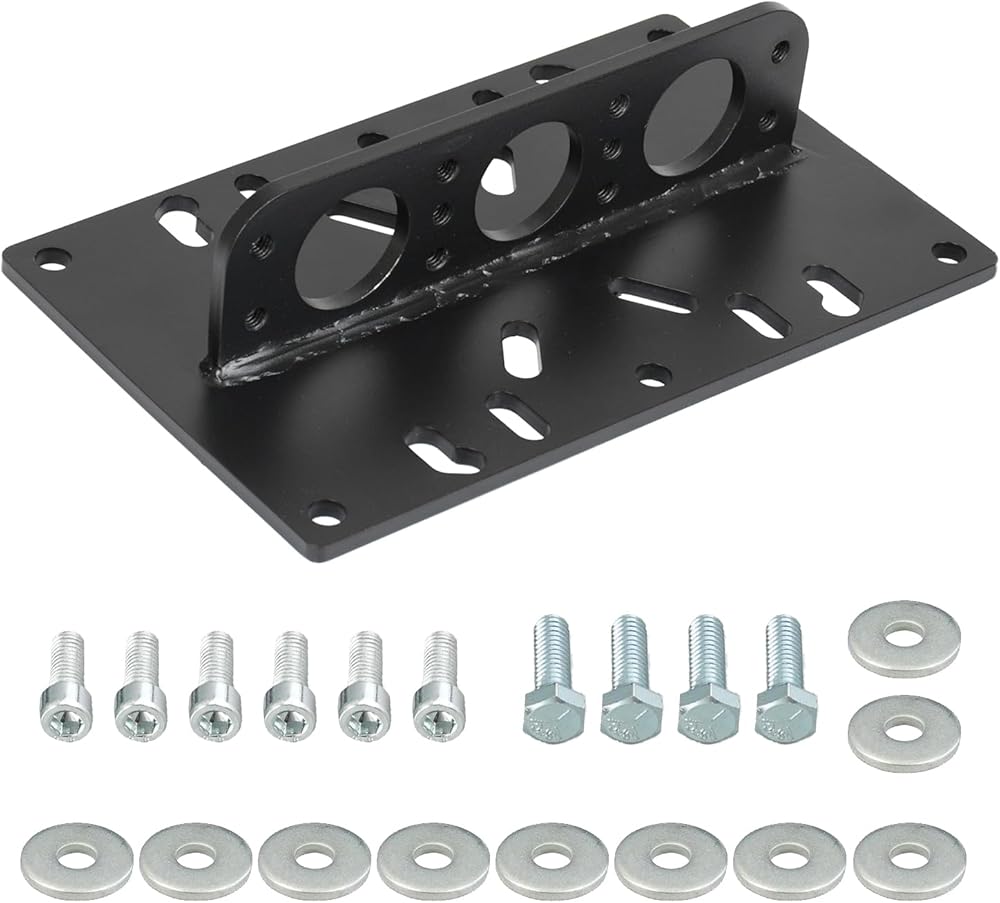
Material: High-Strength Alloy Steel (6mm thickness) |
Dimensions: 245mm L × 151mm W × 62mm H (9.65"×5.94"×2.44") |
Weight: 1.91kg (4.21 lbs) |
Surface: Matte Black Powder Coating (ASTM B117 tested) |
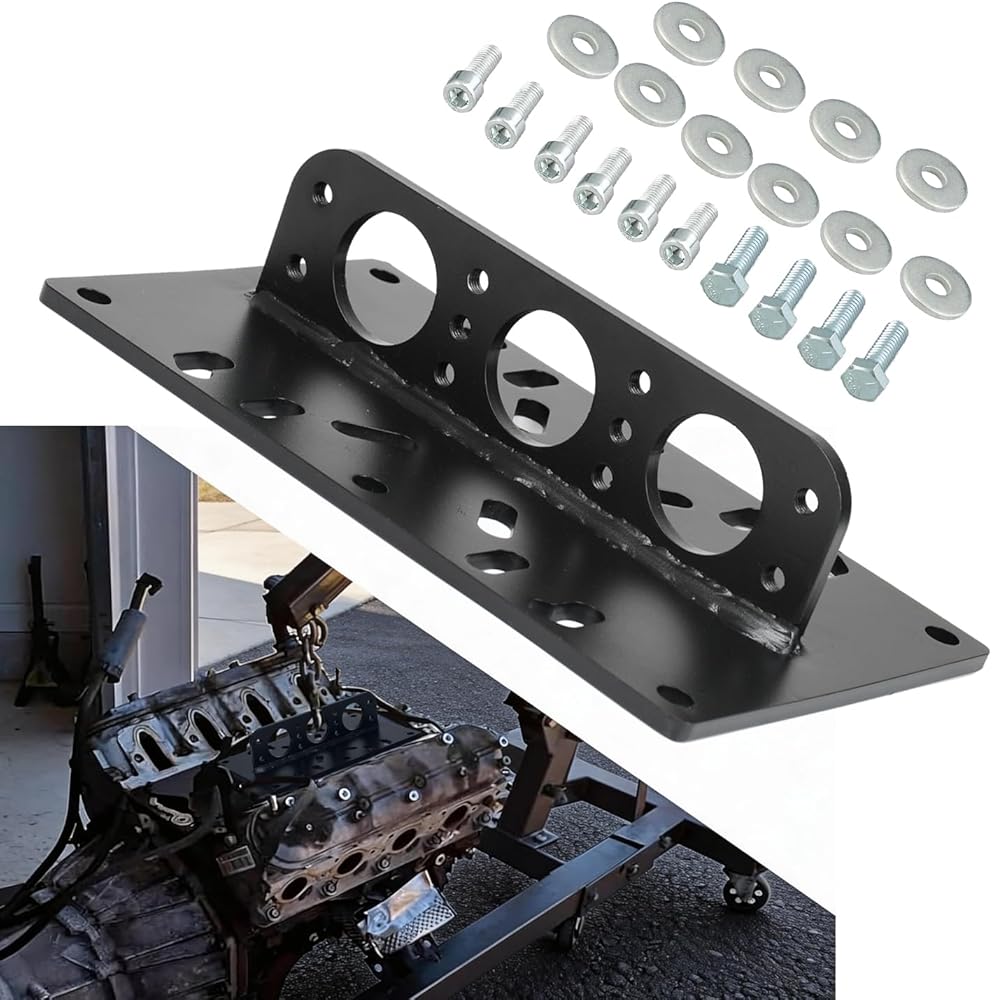
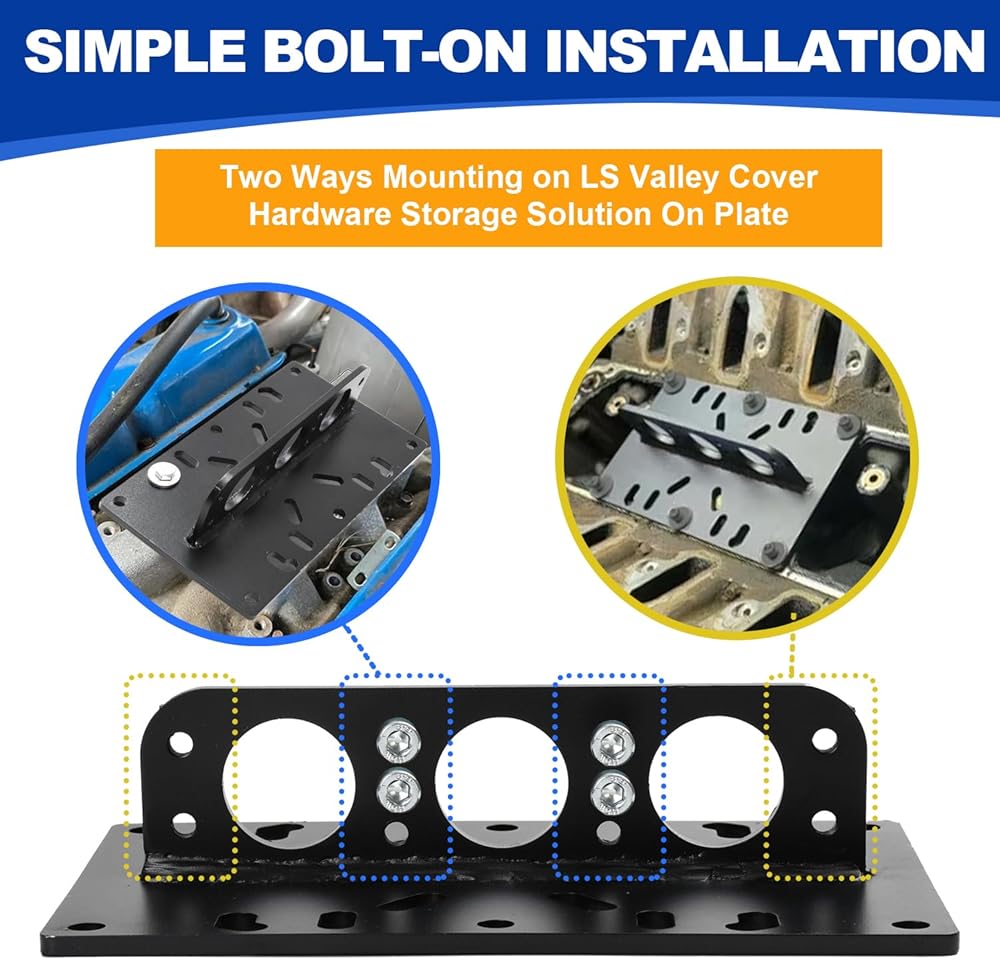
Hardware: 6×M8×19mm socket screws, 4×M8×24mm hex bolts, 10×washers (24×8×3mm) |
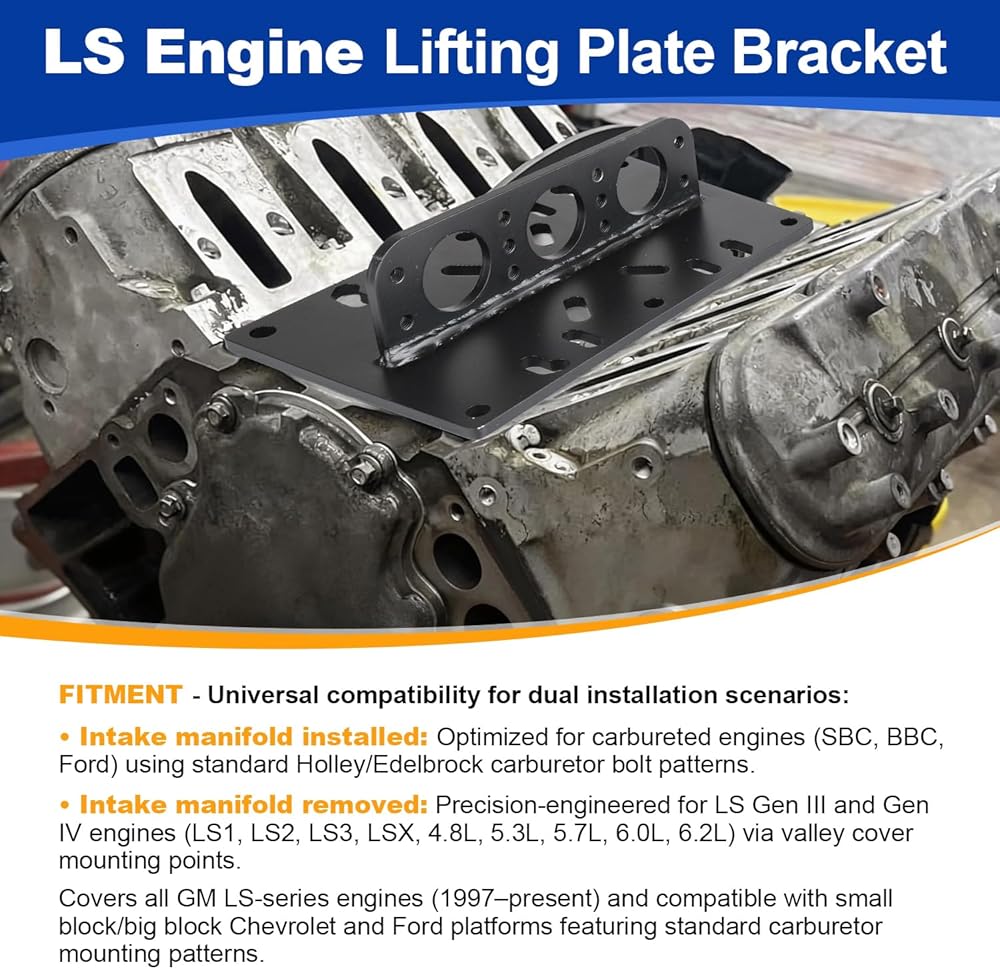
Compatibility: LS Gen 3/4 (valley cover), SBC/BBC/Ford carburetor patterns (Holley, Edel-brock, Carter, Rochester) |
Load Capacity: 1000+ lbs (with transmission)
2.Why Choose Our Engine Lift Plate?
✅ Zero-Drill Precision Fit: Laser-cut holes match LS valley cover and carburetor bolt patterns exactly—eliminates the #1 complaint (hole misalignment).
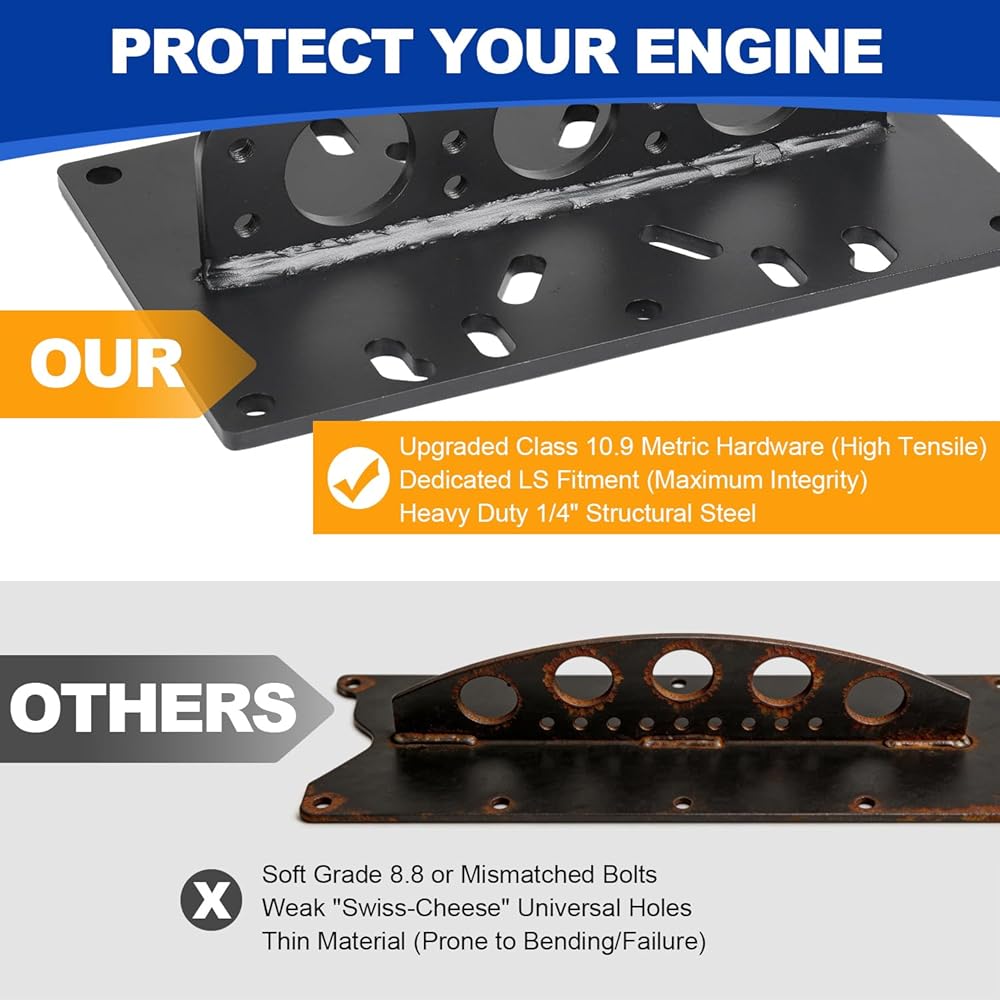
✅ Correct Hardware Guarantee: Includes properly threaded imperial/metric bolts with thick washers—no mixed threads to strip your engine block. Store all hardware on the plate for future projects.
✅ Structural Integrity: Full-length continuous welds at critical joints (vs. spot welds on cheap plates) + 6mm steel = 30% more rigidity than 4-5mm alternatives. No flex, no failure.
✅ Professional Finish: Durable powder coating resists chipping during handling—unlike painted competitors that rub off on your hands. Maintains workshop-ready appearance project after project.
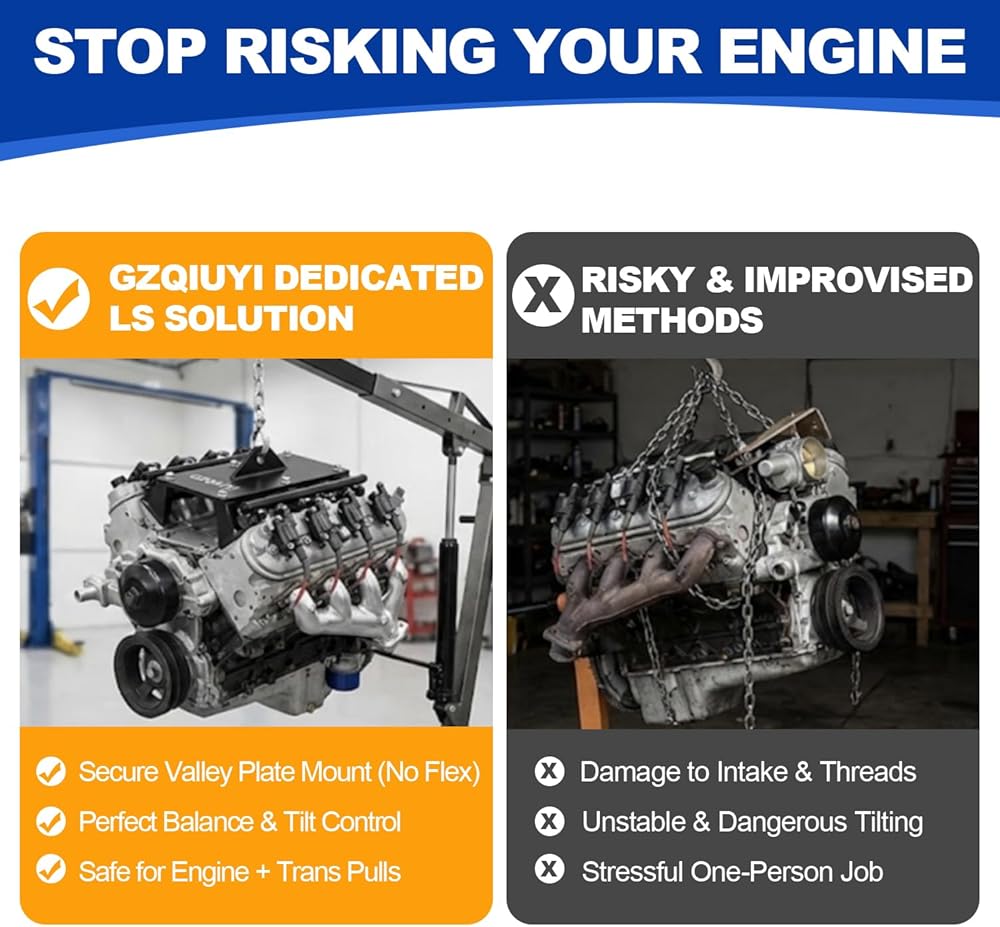
✅ Smart Lift Control: Three lift points enable optimal engine angle adjustment for tight engine bay access. Safely lift with transmission attached—trusted by professional shops nationwide.
3.Real Workshop Applications
LS Engine Swaps: Securely mount to valley cover bolts for GM truck/muscle car swaps—no intake manifold removal needed for lifting.
Carburetor Maintenance: Lift SBC/BBC/Ford engines with intake installed to access carburetors or lower components without full engine removal.
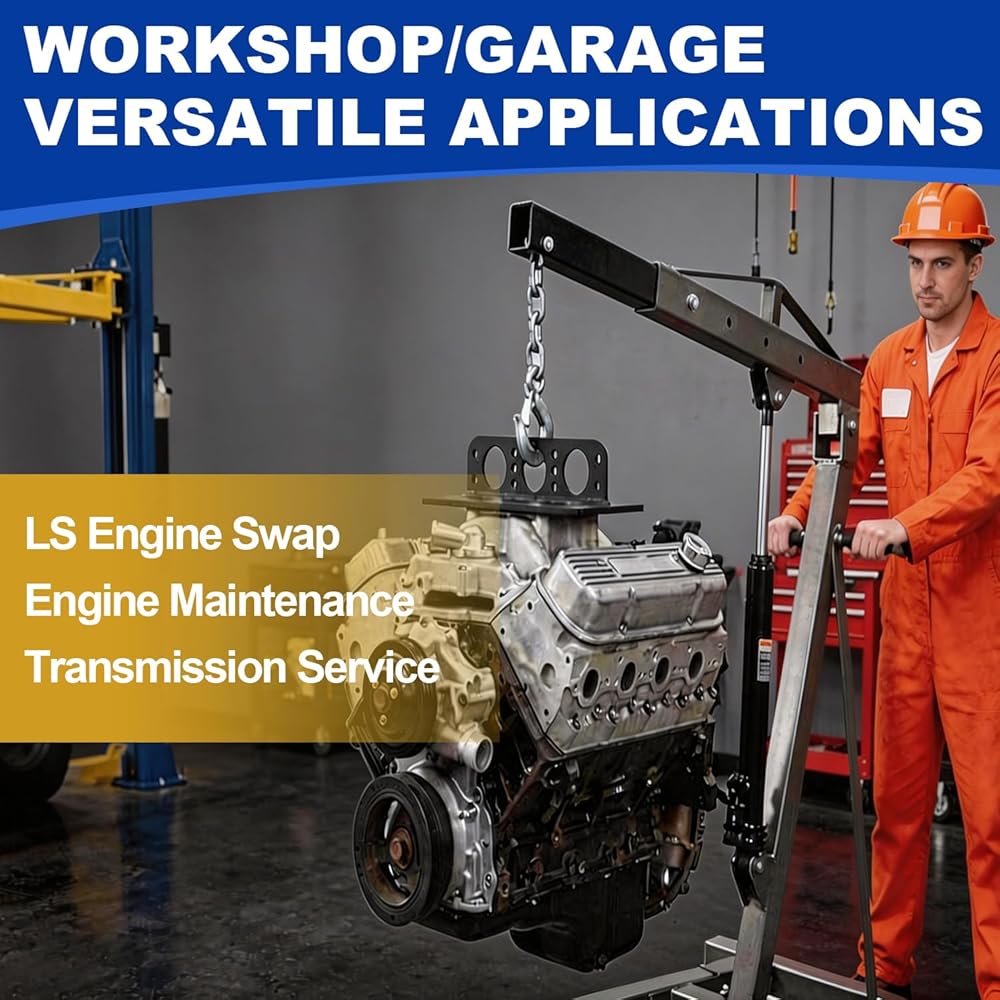
Transmission Service: Balance engine perfectly during clutch/flywheel work with transmission attached—eliminates dangerous tilting.
Engine Rebuilds: Position engines stably on stands for machining, assembly, or painting. The plate's rigidity ensures safe handling of valuable components.
Tight Space Maneuvering: Adjust lift angle using multiple hook points to navigate lowered trucks, engine swaps in compact cars, or crowded engine bays.
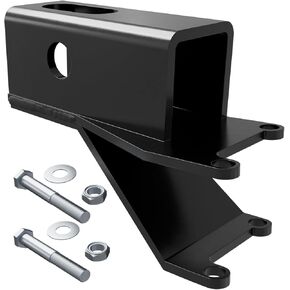 Rear 2" Receiver Hitch for 2007-2022 Hon-da Rancher TRX 350 400 420 450 500 520 Solid Rear Axle, Black
SAR 156
Rear 2" Receiver Hitch for 2007-2022 Hon-da Rancher TRX 350 400 420 450 500 520 Solid Rear Axle, Black
SAR 156
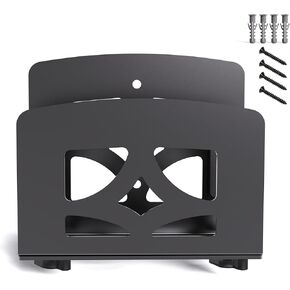 Adjustable Small Device Wall Mount or VESA Mount Behind Monitor, Cable Box Holder, WiFi Router Stand, Modems Mount Rack, for Streaming Media Player/Switch/WII/Power/Mini pc/mac Mini/OptiPlex MFF etc
SAR 99
Adjustable Small Device Wall Mount or VESA Mount Behind Monitor, Cable Box Holder, WiFi Router Stand, Modems Mount Rack, for Streaming Media Player/Switch/WII/Power/Mini pc/mac Mini/OptiPlex MFF etc
SAR 99
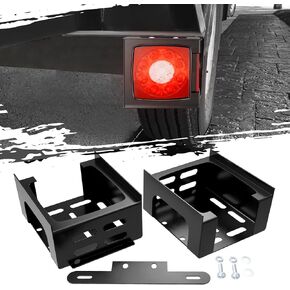 Pair Square Trailer Tail Light Mounting Box & License Plate Bracket with Screws Left Right Guard Cover Heavy Duty Steel (Offer Protection for Lights) for Trailers Under 80" Boat Truck Marine Camper RV
SAR 125
Pair Square Trailer Tail Light Mounting Box & License Plate Bracket with Screws Left Right Guard Cover Heavy Duty Steel (Offer Protection for Lights) for Trailers Under 80" Boat Truck Marine Camper RV
SAR 125
 -6%
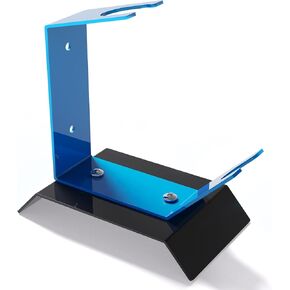
Benchtop Gravity Feed Spray Gun Holder Stand, HVLP Spray Gun Holder, Holds Auto Paint HVLP Guns with Cup Holder, Wall Mount or Table Top, Essential for Automotive Painting and DIY Spray Painting Projects, Blue
SAR 125
-6%
Benchtop Gravity Feed Spray Gun Holder Stand, HVLP Spray Gun Holder, Holds Auto Paint HVLP Guns with Cup Holder, Wall Mount or Table Top, Essential for Automotive Painting and DIY Spray Painting Projects, Blue
SAR 125

 Saudi Arabia