- Shopping, made easy.
- /
- Get the app!
Improve the dog's mobility
Restore some motor functions
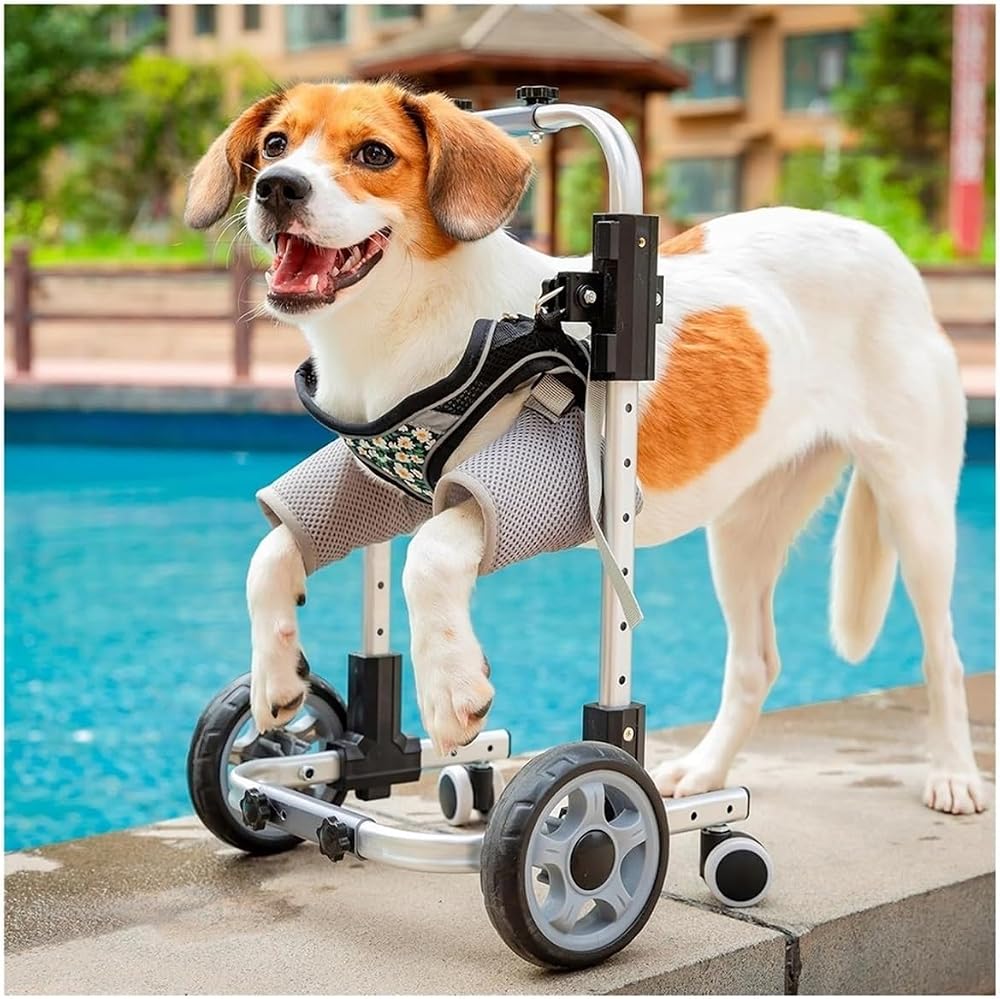
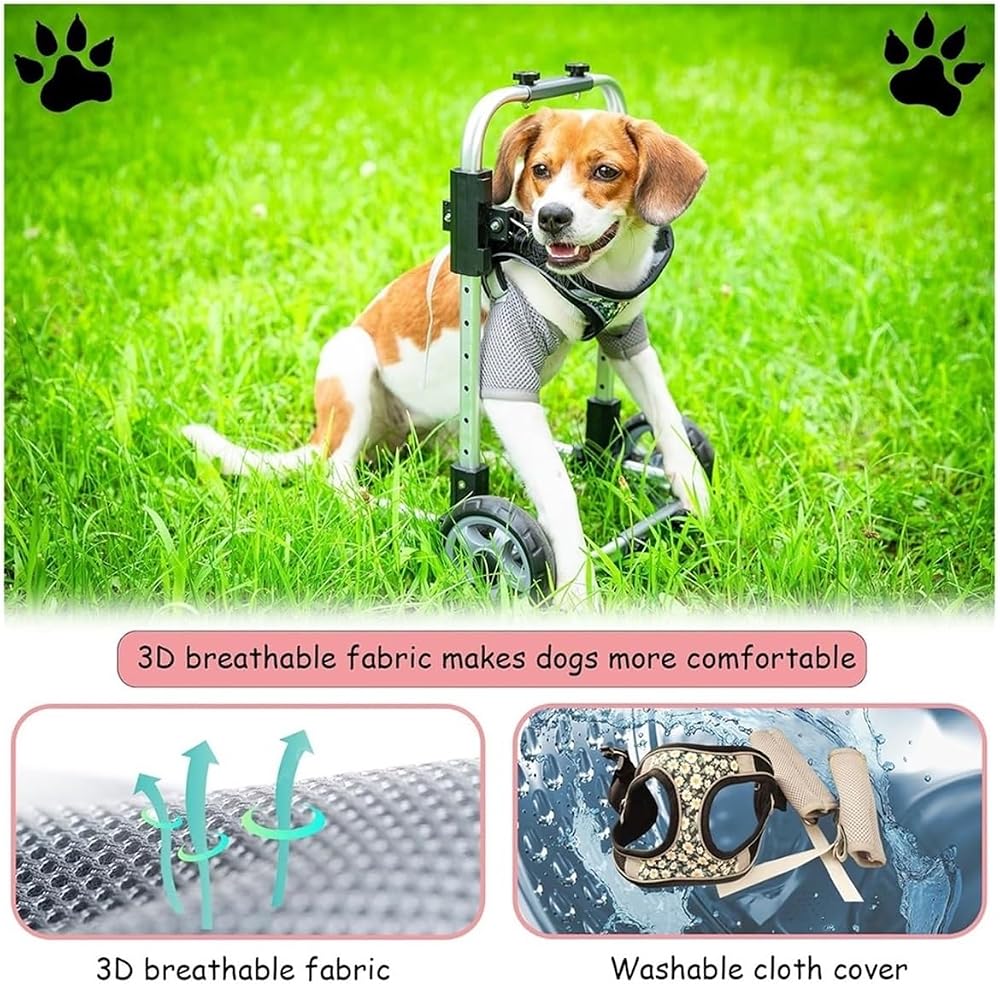
The forelimb assistance vehicle helps dogs regain the ability to stand and move by providing forelimb support, allowing them to re-engage in daily activities such as walking and playing.
Enhance muscle strength
The auxiliary vehicle encourages dogs to use their hind limbs to push their bodies forward through structural design, which helps maintain hind limb muscle strength and delay muscle atrophy.
Improve the quality of life
Improve psychological state
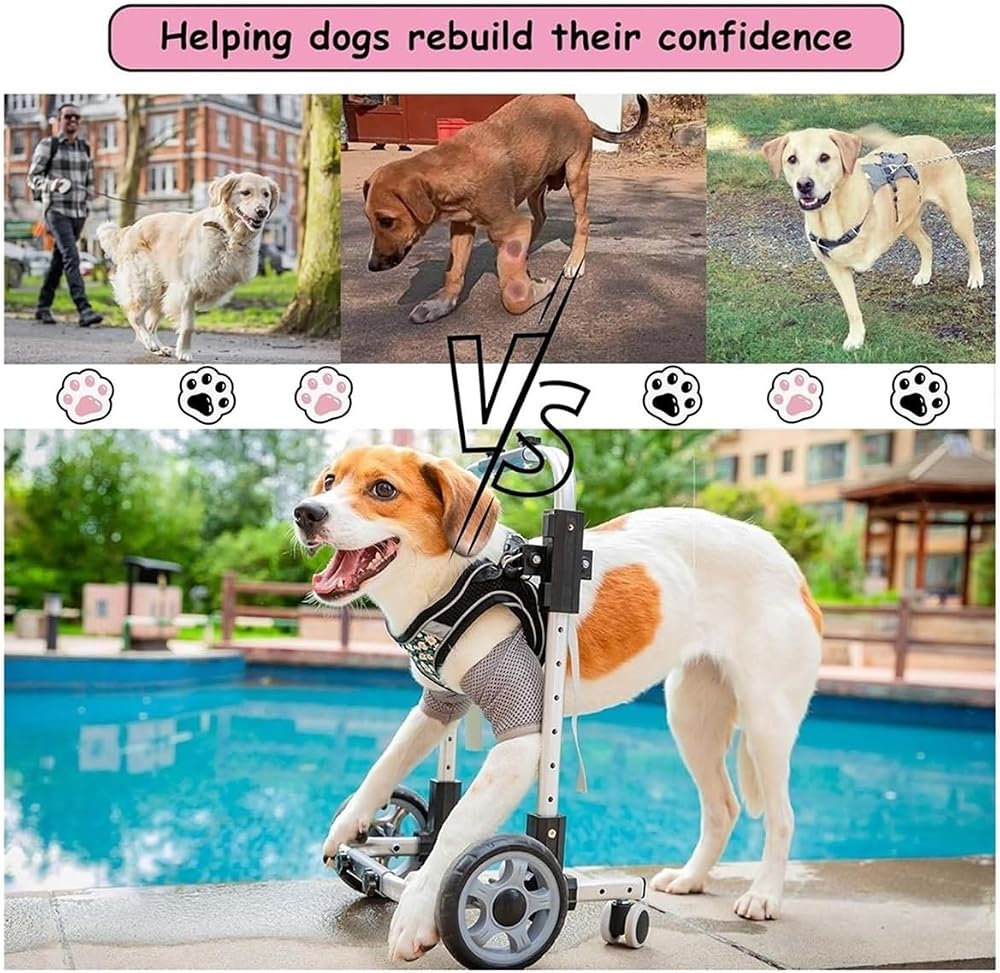
The restoration of mobility helps reduce anxiety and depression in dogs, making them more confident and happy.
Promote social interaction
Dogs can re-engage in outdoor activities, interact with other dogs or humans, and enhance their social skills.
The assistance vehicle allows dogs to follow their owners for walks and play with other pets.
Reduce the burden on the owner
Reduce physical exertion
The owner does not need to hold or support the dog for a long time. The assistance vehicle can share the dog's weight and reduce the owner's physical burden.
Improve nursing efficiency
The design of the auxiliary vehicle facilitates the dog's excretion and cleaning, reducing the trouble of the owner during the nursing process.
Humanized design, strong adaptability
Adjustability
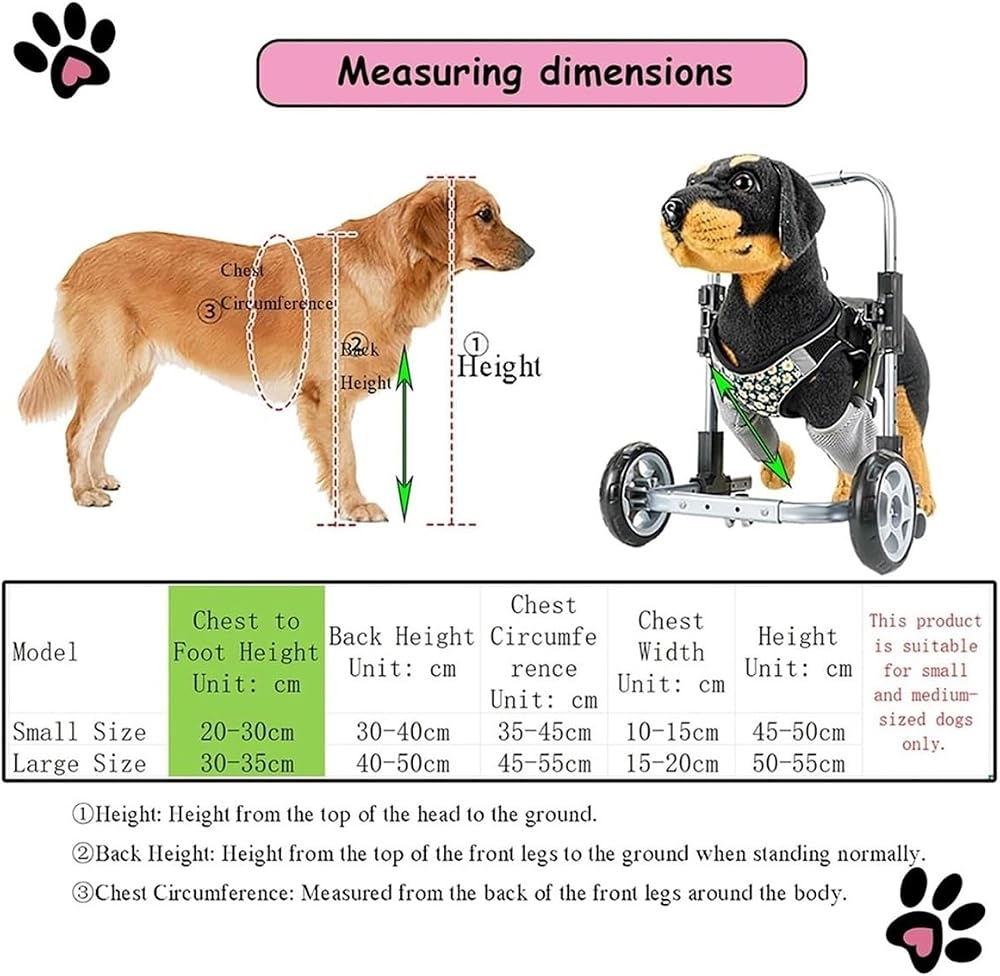
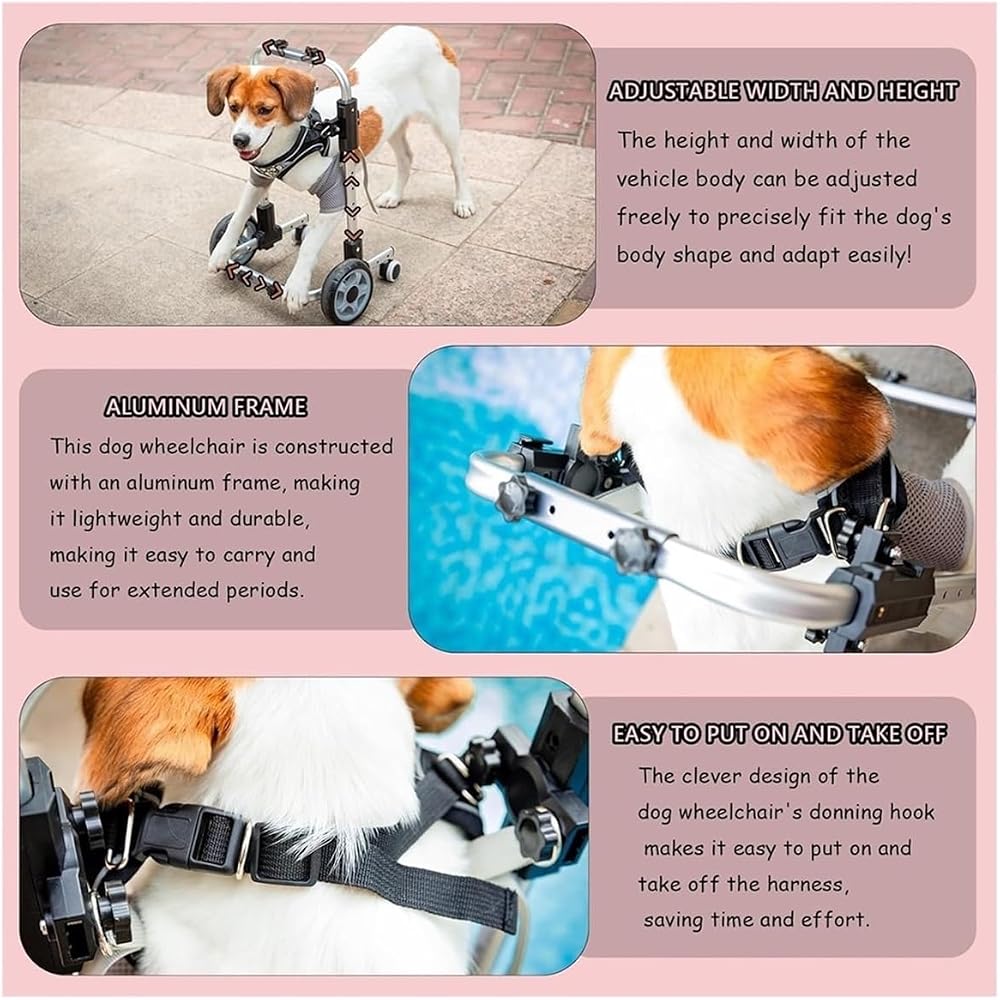
Assistance carts usually have height, width and length adjustment functions, which can adapt to dogs of different sizes and degrees of disability.
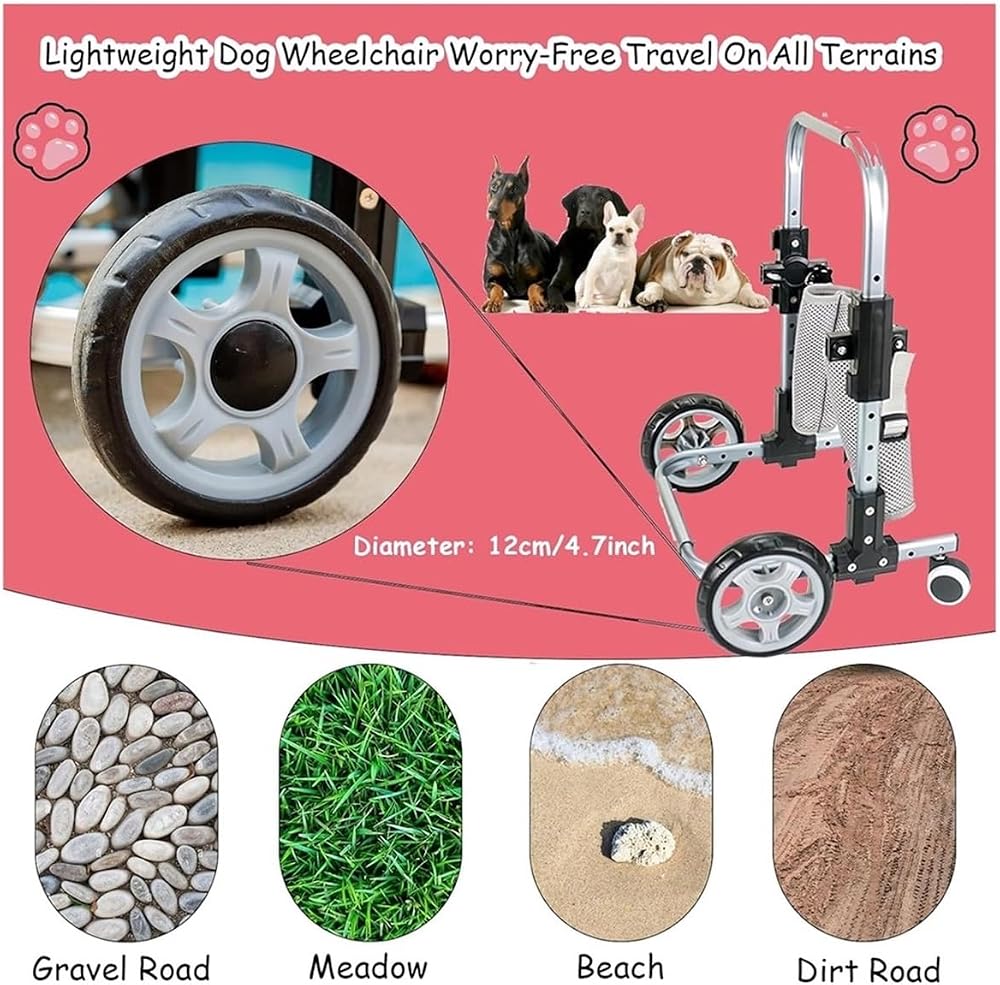
Example: Small dogs, medium dogs and large dogs can all find suitable sizes.
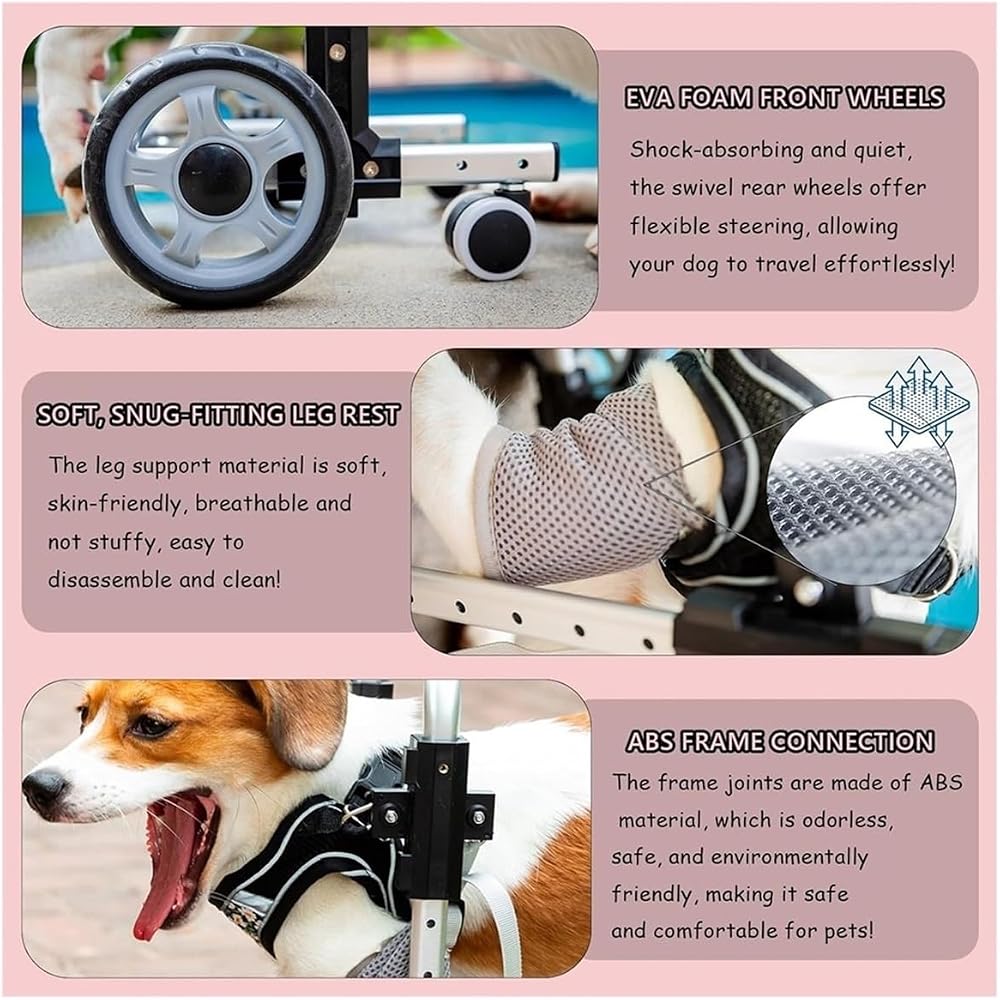
Equipped with non-slip wheels and stable structure to ensure the safety of dogs during use.
Details: The assistance cart is also equipped with a safety belt or fixing device to prevent the dog from slipping.
 Doggo Gobble Porkhide 5-inch Twist Sticks - 40 Pack
SAR 58
Doggo Gobble Porkhide 5-inch Twist Sticks - 40 Pack
SAR 58
 Rawhide Free Retriever Sticks with Real Chicken 10 Count 5 Inch for Small & Medium Dogs and 1 Dog Waste Roll
SAR 92
Rawhide Free Retriever Sticks with Real Chicken 10 Count 5 Inch for Small & Medium Dogs and 1 Dog Waste Roll
SAR 92
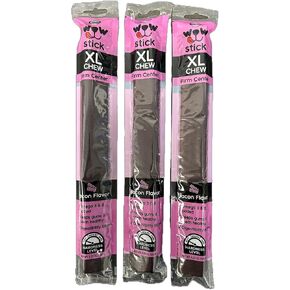 Wow XL Sticks 11" Bacon Flavor Firm Center Stick Dog Chew Treat | Omega 3 & 6 Added | Keeps Gums & Teeth Healthy 4.23 Ounces - 3 Pack
SAR 41
Wow XL Sticks 11" Bacon Flavor Firm Center Stick Dog Chew Treat | Omega 3 & 6 Added | Keeps Gums & Teeth Healthy 4.23 Ounces - 3 Pack
SAR 41
 -32%
3 PCS Dog Whistles Set, Adjustable Recall Dog Training Whistle Silent Dog Whistle to Stop Barking with Lanyard,Dog Clicker(Black)
SAR 32
-32%
3 PCS Dog Whistles Set, Adjustable Recall Dog Training Whistle Silent Dog Whistle to Stop Barking with Lanyard,Dog Clicker(Black)
SAR 32