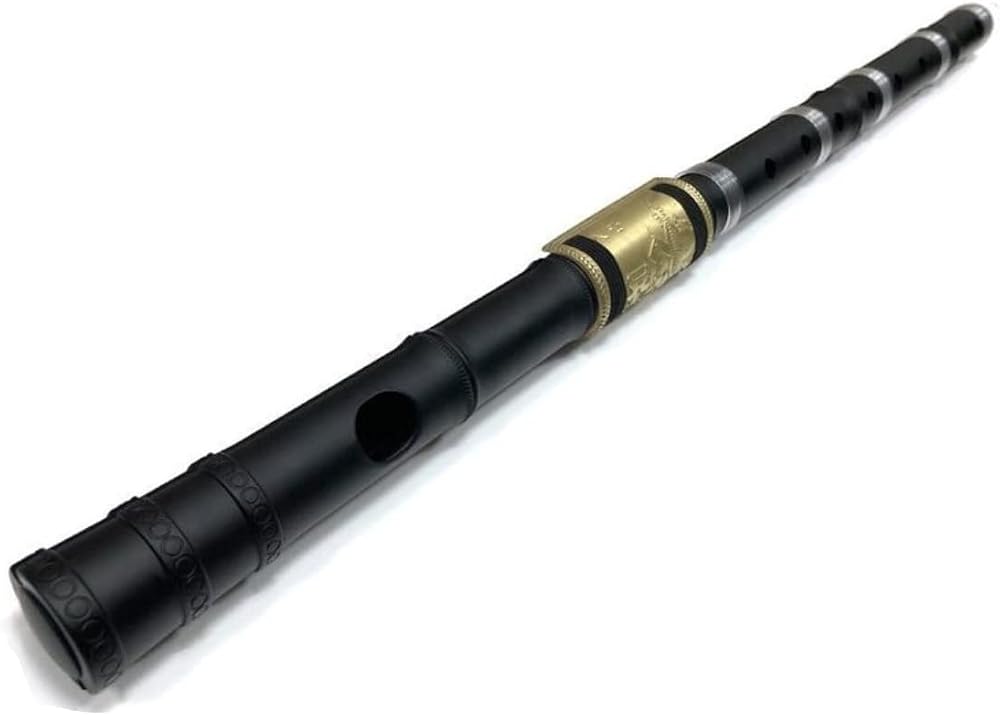
The daegeum is a Korean wind instrument used in two very different types of music: jeong-ak (classical / court music) and minsok-ak (folk music).
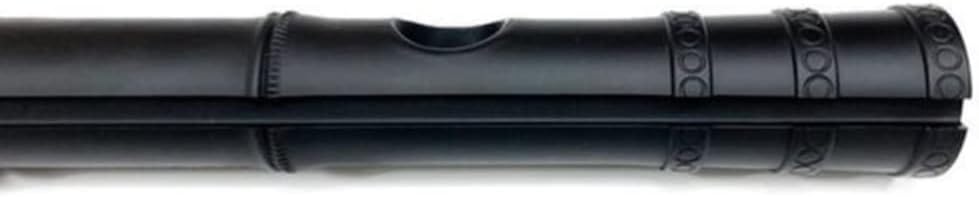
It is an instrument indigenous to the Korean peninsular and probably originated during the Silla dynasty (57 BC – 935 AD). It is the largest in the samjuk (three bamboo) family of instruments, which also contains the junggeum (medium-sized flute) and sogeum (small flute). It is made of a single piece of whangjuk (yellow bamboo), which has a valley-shaped ridge running along both edges.
It is the largest in the samjuk (three bamboo) family of instruments, which also contains the junggeum (medium-sized flute) and sogeum (small flute). It is made of a single piece of whangjuk (yellow bamboo), which has a valley-shaped ridge running along both edges.
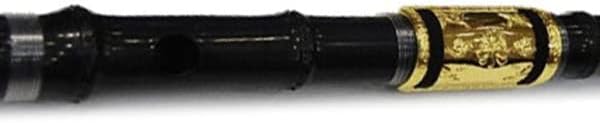
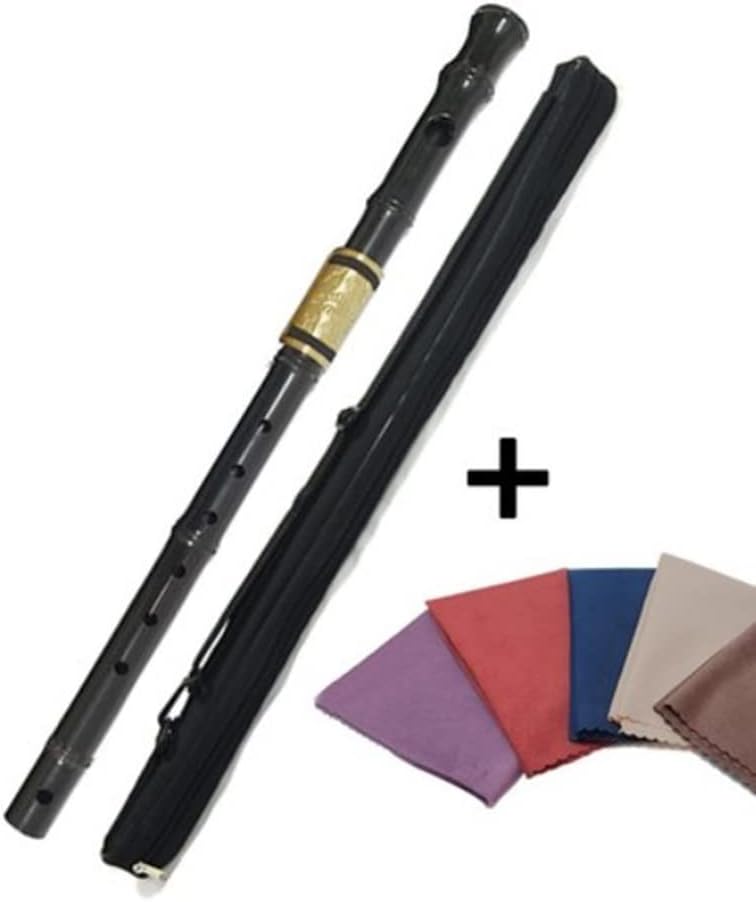
It is made of a single piece of whangjuk (yellow bamboo), which has a valley-shaped ridge running along both edges. It has a total of eight holes: one chwigu (mouth-peice), one chonggong (over which is placed a resonant membrane made of dried bamboo under a brass cover) and six fingering holes. At least one tuning hole is also present at the end of the instrument. The daegeum varies in size and tuning, depending on which form of music is being played.
The jeong-ak daegeum is the larger instrument (at 85-90cm), with the sanjo daegeum (used in minsok-ak) modified during the late Joseon dynasty (1392
 RUOSWTE Ocarina, 12 Hole Alto C, Professional Playing Instrument, Wind Instrument With Sheet Music Tutorial And Lanyard ,For Kids Adult Beginner Gift (Brown)
SAR 115
RUOSWTE Ocarina, 12 Hole Alto C, Professional Playing Instrument, Wind Instrument With Sheet Music Tutorial And Lanyard ,For Kids Adult Beginner Gift (Brown)
SAR 115
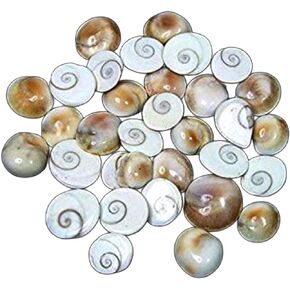 4our Faith 21 Pcs Gomti Chakra for Wealth, Health & Success
SAR 53
4our Faith 21 Pcs Gomti Chakra for Wealth, Health & Success
SAR 53
 4our Faith 11 Pcs Gomti Chakra for Wealth, Health & Success
SAR 53
4our Faith 11 Pcs Gomti Chakra for Wealth, Health & Success
SAR 53
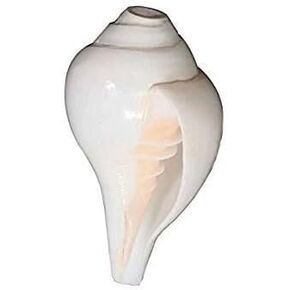 Original Blowing Shankh (Vamvarti Bajnewala) - Conch Shell Bajnewala Shankh Blowing Conch Shell 6 Inch
SAR 287
Original Blowing Shankh (Vamvarti Bajnewala) - Conch Shell Bajnewala Shankh Blowing Conch Shell 6 Inch
SAR 287