Meet the Carinotetraodon travancoricus, or the pea puffer—a tiny fish with a big personality! These vibrant, greenish-brown puffers with yellow spots add a burst of life to nano aquariums. Known for their intelligence and feisty nature, they're a joy to watch. Plus, they're handy snail hunters, making tank maintenance a breeze. Perfect for both beginners and seasoned aquarists, the pea puffer brings charm and liveliness to any underwater world.
The pea puffer, scientifically known as Carinotetraodon travancoricus, thrives in freshwater aquariums. To ensure their well-being, maintain water parameters within the following ranges:
Temperature: Keep the water temperature between 74°F to 82°F (23°C to 28°C). Pea puffers are sensitive to temperature fluctuations, so aim for stability.
Water Hardness: Aim for a water hardness of 5 to 20 dGH. This range mimics their natural habitat conditions.
Tank Size: While they're small, pea puffers need adequate space. A tank of at least 10 gallons is recommended, providing ample room for swimming and exploring.
Feeding: These puffers have a unique diet. While they enjoy snacking on snails, it's crucial to provide a varied diet. Include high-quality pellets, frozen or live foods like bloodworms and daphnia to ensure they receive essential nutrients.
Water Quality: Regular water changes and proper filtration are crucial. Pea puffers are sensitive to poor water quality, so monitor parameters consistently and address any issues promptly.
pH Level: Maintain a pH level in the range of 7.0 to 8.0. Pea puffers adapt well to a slightly alkaline environment.


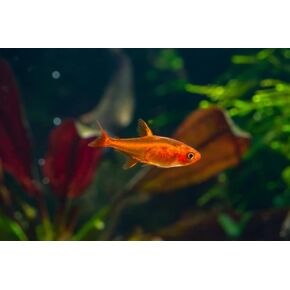 Swimming Creatures™ 10 Ember Tetra (Hyphessobrycon amandae) – Freshwater Aquarium Live Fish (Approx. 1.5 cm)
SAR 246
Swimming Creatures™ 10 Ember Tetra (Hyphessobrycon amandae) – Freshwater Aquarium Live Fish (Approx. 1.5 cm)
SAR 246
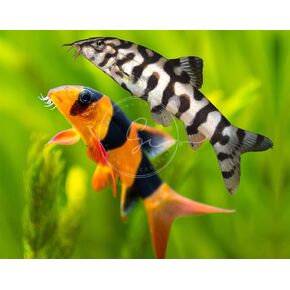 1 Clown Loach (Tiger Botia) & 1 Yoyo Loach (Botia almorhae) Freshwater Aquarium Fish, Approx Size: 1"
SAR 220
1 Clown Loach (Tiger Botia) & 1 Yoyo Loach (Botia almorhae) Freshwater Aquarium Fish, Approx Size: 1"
SAR 220
 Swimming Creatures™ 6 Ember Tetra (Hyphessobrycon amandae) – Freshwater Aquarium Live Fish (Approx. 1.5 cm)
SAR 220
Swimming Creatures™ 6 Ember Tetra (Hyphessobrycon amandae) – Freshwater Aquarium Live Fish (Approx. 1.5 cm)
SAR 220
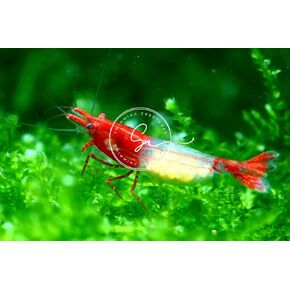 Swimming Creatures™ 20 Red Rili Premium High-Grade Neocaridina Freshwater Aquarium Shrimp Live
SAR 288
Swimming Creatures™ 20 Red Rili Premium High-Grade Neocaridina Freshwater Aquarium Shrimp Live
SAR 288