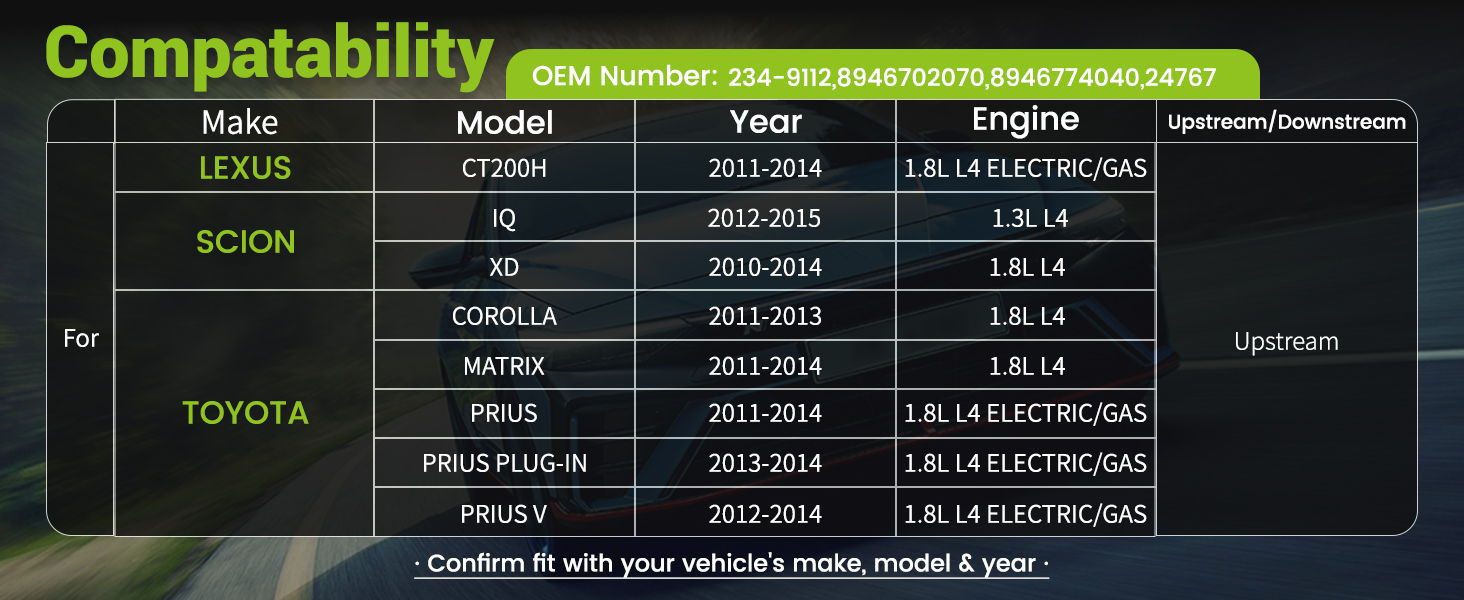
【Vehicle Fitment】 For Toyota {COROLLA 1.8L L4 2009-2013, MATRIX 1.8L L4 2009-2014, COROLLA 1.8L L4 2011-2013, MATRIX 1.8L L4 2011-2014, PRIUS 1.8L L4 ELECTRIC/GAS 2011-2014, PRIUS PLUG-IN 1.8L L4 ELECTRIC/GAS 2013-2014, PRIUS V 1.8L L4 ELECTRIC/GAS 2012-2014}, For Lexus {CT200H 1.8L L4 ELECTRIC/GAS 2011-2014}, For Scion {IQ 1.3L L4 2012-2015, XD 1.8L L4 2010-2014},For Pontiac {VIBE 1.8L L4 2009-2010},For specific models and model years, please refer to the VehicleFitment Chart. Alternatively, provide your vehicle's Make, Year andModel, and we will help you verify the fitment.
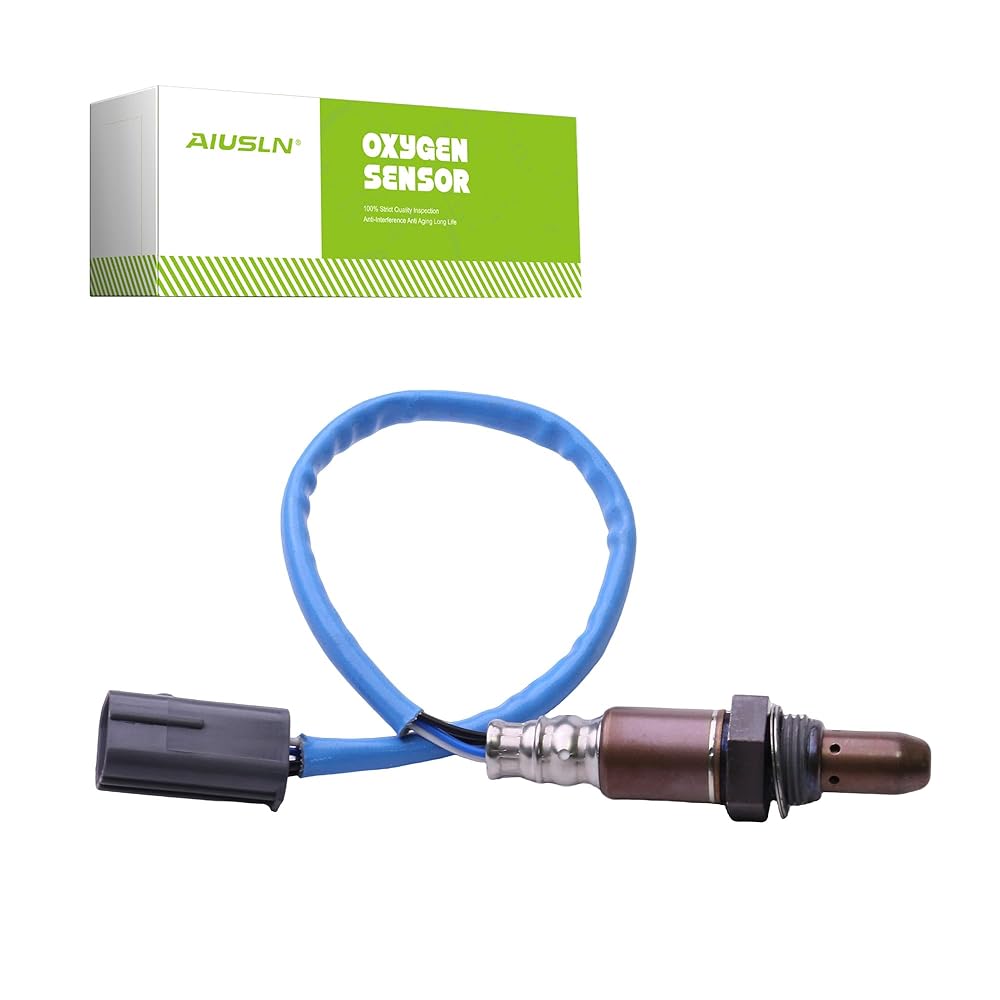
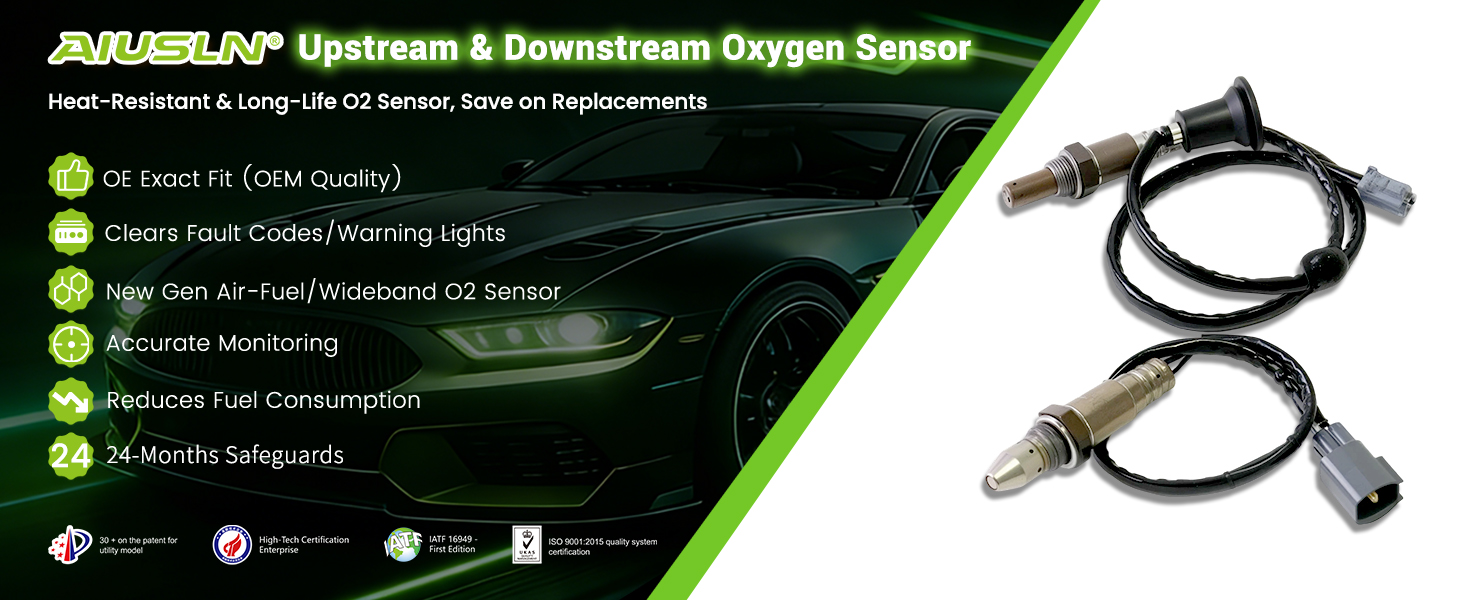
【High-Grade Materials for Long-Lasting Durability 】Crafted from 430L stainless steel for excellent heat and corrosion resistance.Built with high-quality Japanese ceramic sensing element and platinum grid for stable performance and longer service life.High-grade wiring resists interference; gold-plated terminals ensure stable signal and oxidation resistance.Threaded gasket with double seal prevents exhaust leaks, protects the sensor, and ensures reliable signal transmission.
【Precise Sensing,Fast Response &Peak Performance】The oxygen sensor acts as the exhaust monitor and fuel consumption regulatorelement for ultra‑accurate exhaust oxygen detection if the air-fuel mixture is rich or lean,Available in 4-Pin 4-Wire designs ,it fast send real-time signals to the ECU for precise fuel injection adjustment. This maintains the optimal air-fuel ratio, improving combustion efficiency, improving engine power, fuel economy, and emissions compliance while protecting the three‑way catalytic converter.
【PROFESSIONAL CUSTOMER SUPPORT】We offer 7×24 service and 2-year service support , striving to ensure every buyer enjoys a premium shopping experience. Feel free to contact us with any questions, including free pre-sales vehicle fitment verification service. We will do our utmost to resolve all your issues.We also provide professional troubleshooting support for common fault codes including P0130, P0140, P0136, P0420, and more.
【Easy Installation Steps】①Ensure the engine is cool and the battery is disconnected.②Remove the oxygen sensor with a 7/8 inch open-end wrench and remove wiring connector. ③Apply anti-seize compound to the new sensor's threads (avoid contact with the sensing element).④Hand-thread the new sensor, then tighten to 30–40 ft-lbs. Reconnect the electrical connector.⑤Clear OBD-II fault codes and verify sensor operation with a scanner.
 Energy Suspension 5.5174G Ft Sway Bar Bushing Set -32Mm
SAR 183
Energy Suspension 5.5174G Ft Sway Bar Bushing Set -32Mm
SAR 183
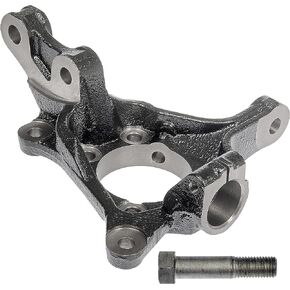 Dorman 698-221 Front Driver Side Steering Knuckle Compatible with Select Subaru Models
SAR 548
Dorman 698-221 Front Driver Side Steering Knuckle Compatible with Select Subaru Models
SAR 548
 BDFHYK Fuel Pump Module Assembly E3954m 1997-2002 For Chevrolet Blazer/Gmc Jimmy V6 4.3l 1997 1998 1999 2000 2001 2002
SAR 297
BDFHYK Fuel Pump Module Assembly E3954m 1997-2002 For Chevrolet Blazer/Gmc Jimmy V6 4.3l 1997 1998 1999 2000 2001 2002
SAR 297
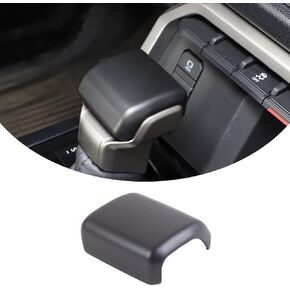 ABS Matte Black Car Console Gear Gear Shift Knob Head Protection Trim,Shift Gear Protection Trim,Compatible with Toyota Tundra Sequoia 2022 2023 2024 Tacoma 2024 Interior Accessories
SAR 68
ABS Matte Black Car Console Gear Gear Shift Knob Head Protection Trim,Shift Gear Protection Trim,Compatible with Toyota Tundra Sequoia 2022 2023 2024 Tacoma 2024 Interior Accessories
SAR 68